





Introduction — Getting Around Copenhagen: Bike or Metro?
Copenhagen is regularly hailed as one of the most bike-friendly cities in the world and a benchmark for sustainable urban design. With glittering canals, tree-lined pedestrian streets and modern districts like Ørestad, Denmark’s capital is best discovered by bike or by metro. This comprehensive guide will help you decide whether to pedal at the local pace or ride the automated rail network — or, even better, combine both to get the most out of your stay.
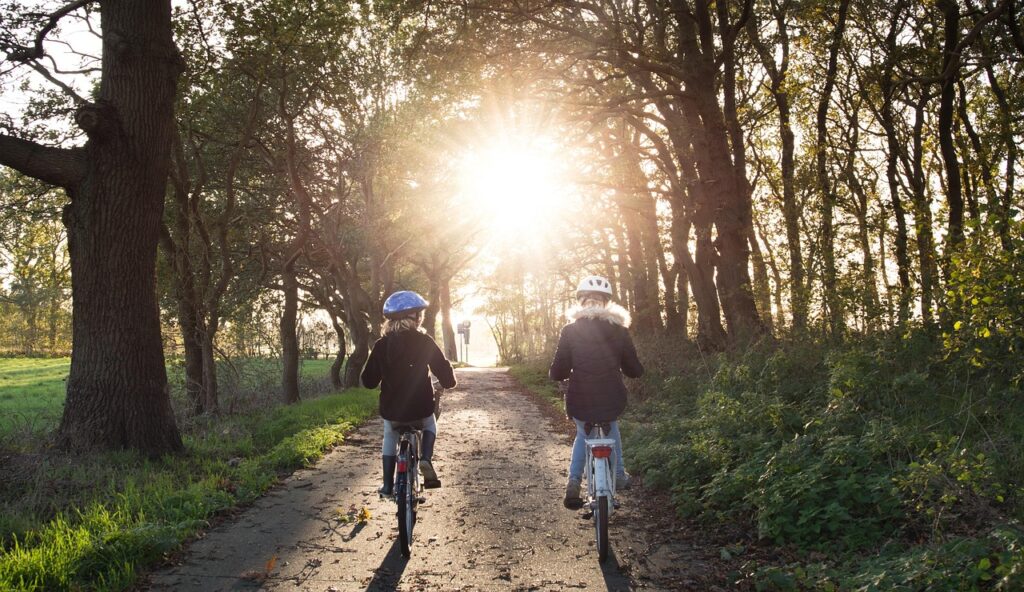
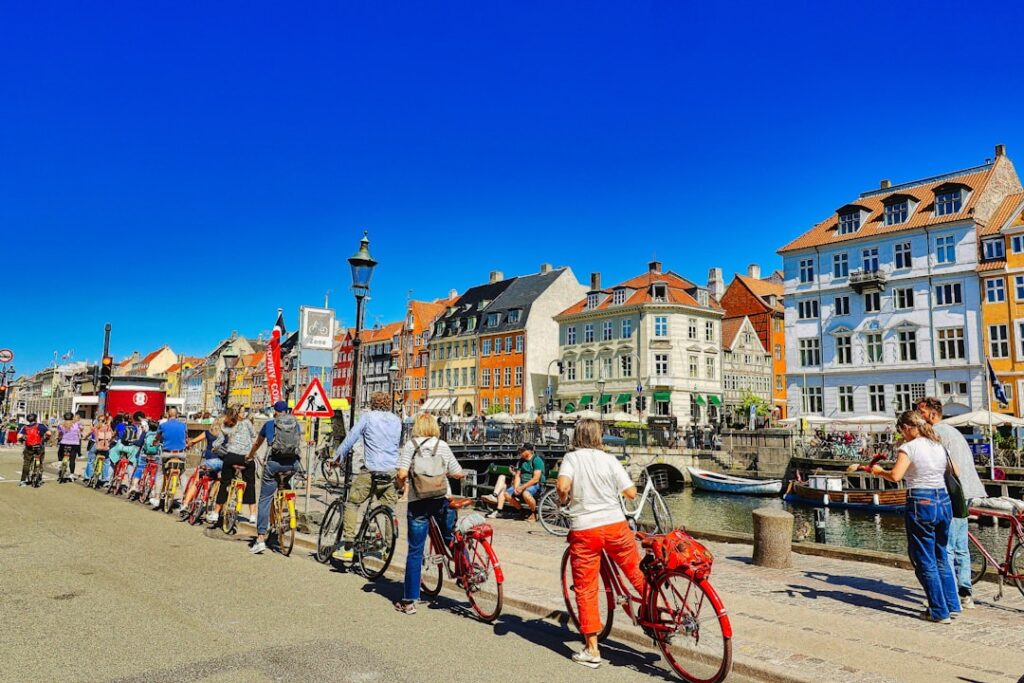
Cycling in Copenhagen isn’t just a pastime: it’s a way of life. Well-separated bike lanes, bicycle-specific traffic lights and secure bike parking make urban trips quick, safe and enjoyable. For travelers, cycling means the freedom to reach less touristy corners like Nørrebro and Islands Brygge, pop into local cafés and experience the city at the pace of the wind and the sea. Dockless bikes, daily rentals and e-bikes also make it easy for riders of all levels to get around.
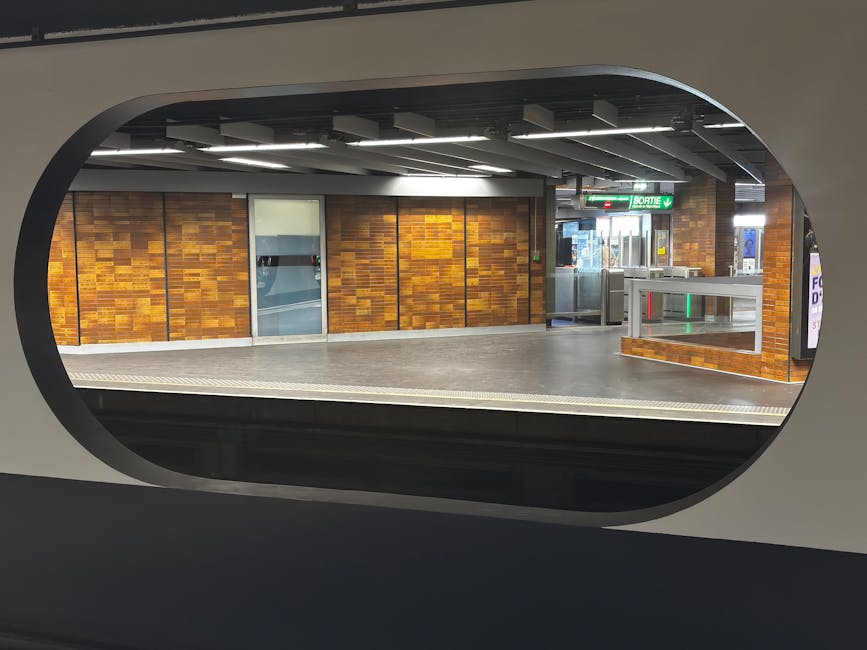
The Copenhagen Metro, meanwhile, is modern, fully automated and connects central and outlying areas — from Copenhagen Airport (Københavns Lufthavn) to Ørestad, with the Cityringen (M3) looping the city center. Fast and reliable, the metro is especially useful for longer hops or when the weather makes you want to be indoors. Schedules are clear, trains are frequent and the zonal fare system, though it may look complicated at first, becomes straightforward once you know the basics.
This guide gives concrete place descriptions, exact addresses, prices in euros, typical opening times, local tips and route examples. It also covers bike rental options (shared and private), how to use tickets (single fares, 24/72-hour cards, Rejsekort) and safety, cycling etiquette and combined bike-metro routes. Whether you’re just passing through or staying short-term, you’ll find the practical info you need to plan journeys, avoid common mistakes and enjoy Danish-style mobility.
Why Choose Biking in Copenhagen — Infrastructure, Rentals and Etiquette
Copenhagen is designed to make cycling not just possible, but comfortable and fast. Bike lanes are often separated by sidewalks or green strips, intersections have dedicated bike lights and cyclist counters show how heavily routes are used. Choosing a bike means enjoying a human-scale city where around 60% of commuting trips in the center are made by bicycle.
Infrastructure and Safety
Key features include bike lanes running alongside the road, cycling bridges such as the Cykelslangen (The Bicycle Snake) connecting Kalvebod Brygge to Havneholmen, and bike traffic lights at the intersection of Vesterbrogade and H.C. Andersens Boulevard near Tivoli Gardens (Vesterbrogade 3, 1630 København V). Bike parking is everywhere: the central station (København H — Bernstorffsgade 16, 1577 København V) has large secure parking areas. It’s common to lock your bike with a U-lock (brands like Kryptonite or Abus).
Rental Options and Typical Prices
– Donkey Republic (app): rent a mechanical or electric bike through the app. Drop-off points are scattered (often near København H, Bernstorffsgade 16). Approximate pricing: 30 DKK/hour (~€4.0) or daily packages usually around 80–120 DKK (~€10.7–€16.0). Check the app for exact locations and availability.
– Bycyklen (Copenhagen City Bikes, e-bikes): electric share-bikes. Typical pricing: about 1 DKK/minute (~€0.13/minute) with daily packages available (e.g. 24 hours for ~200 DKK, ~€26.7). Stations are common in the city center; a dedicated app is available. Administrative office info: Københavns Kommune, City Hall (Rådhuspladsen 1599 København V) for inquiries.
– Traditional rental shops (tourist-focused): Copenhagen Bike Rentals, often found in Nyhavn and near Strøget. Example: “Rent a Bike – Nyhavn” at Nyhavn 17, 1051 København K — typical daily rates 120–200 DKK (~€16–€27) depending on model; e-bikes 300–400 DKK (~€40–€53) per day. Hours: generally 09:00–18:00 in high season.
Cycling Etiquette and Safety
– Riding: keep right and stay in the right-hand lane except when overtaking. Respect bike traffic lights — locals take them seriously.
– Priority: bike lanes often have priority; watch for pedestrians crossing the bike paths.
– Parking: always lock your bike to a stand or designated infrastructure. Poorly parked bikes can be removed in high-traffic areas (for example near major transport hubs like København H).
– Clothing: in summer people cycle in everyday clothes; for rainy days bring waterproof gear and backpack protection. Winter nights require caution for icy patches and possibly winter tires.
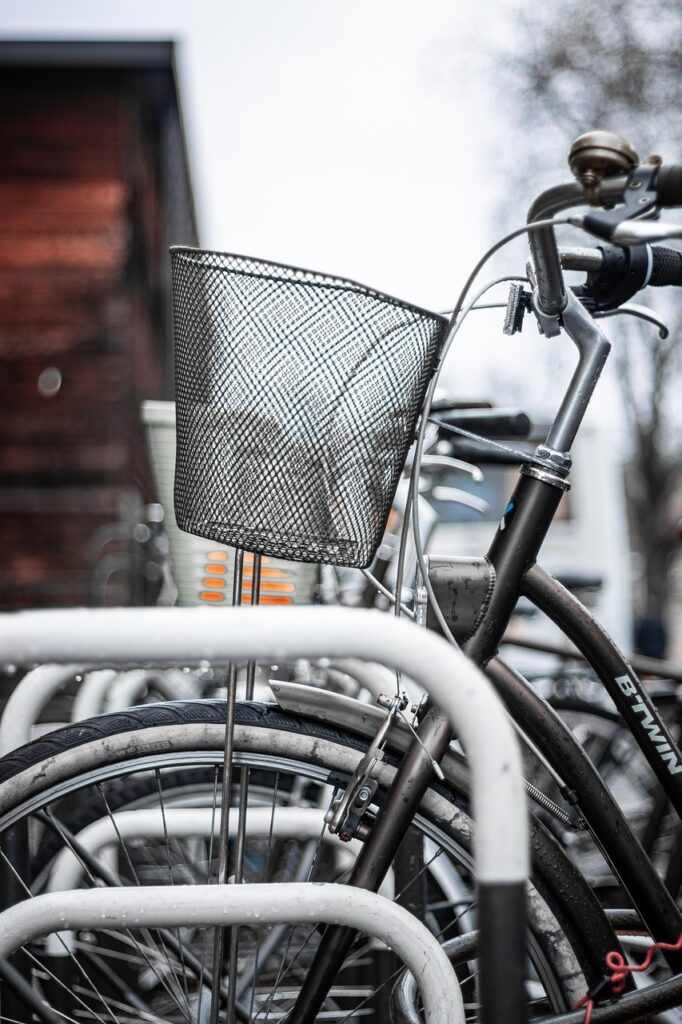
Using the Metro and Public Transport Network — Tickets, Lines, Schedules
The Copenhagen Metro is modern, fully automated and efficiently serves the city center and the airport. The main lines are M1, M2 (to Ørestad and the airport) and M3 (Cityringen, the central loop), with M4 expanding service toward Nordhavn and Sydhavnen. The network integrates with buses and regional trains (DSB) and uses a zonal fare system.
Lines, Stations and Useful Addresses
– København H (Copenhagen Central Station) — Bernstorffsgade 16, 1577 København V: the main hub for regional trains, S-train and metro (exit close to the station).
– Kongens Nytorv Station — Kongens Nytorv, 1050 København K: interchange for M1/M2, close to Nyhavn and Strøget.
– Nørreport Station — Nørre Voldgade 13, 1358 København K: very busy interchange for trains, S-train, buses and metro; near the Botanical Garden.
– Østerport Station — Østerport Station, Østerbrogade 100, 2100 København Ø: access to Amalienborg and Langelinie (The Little Mermaid).
– Lufthavnen (Airport Station) — Københavns Lufthavn, Kastrup, 2770 Kastrup: served by M2, direct from the city center in about 15 minutes.
Fares in Euros and Practical Tickets
Fares depend on the number of zones you travel through. Here are rough reference prices (converted to euros, 1 DKK ≈ €0.13):
- Single ticket for 2 zones (city center): ~24 DKK (~€3.2) — valid for 1 hour across the 2 zones.
- 3-zone ticket: ~36 DKK (~€4.8).
- 24-hour ticket (unlimited travel within selected zones): ~80 DKK (~€10.7) — handy for heavy use in a single day.
- 72-hour / 3-day ticket: ~200 DKK (~€26.7) — good for short stays.
- Rejsekort (rechargeable card): offers reduced fares for frequent trips; can be bought online or at main stations. Example: a 2-zone trip using Rejsekort can be slightly cheaper than a paper ticket.
Note: prices are indicative and may change; check DOT (Din Offentlige Transport) or DSB when buying.
Schedules and Frequency
– Daytime: very frequent service — 2 to 4 minutes during peak hours on central stretches.
– Evening / night: parts of the metro run 24/7 (notably sections of the Cityringen M3), and extra night services operate on weekends. M1/M2 airport services run regularly from early morning until late at night. Check the Rejseplanen app or DOT for real-time schedules.
– Travel times: København H ↔ Lufthavnen (Airport) via M2 ≈ 13–15 minutes; Kongens Nytorv ↔ Nørreport via M3/M1 ≈ 5–7 minutes.
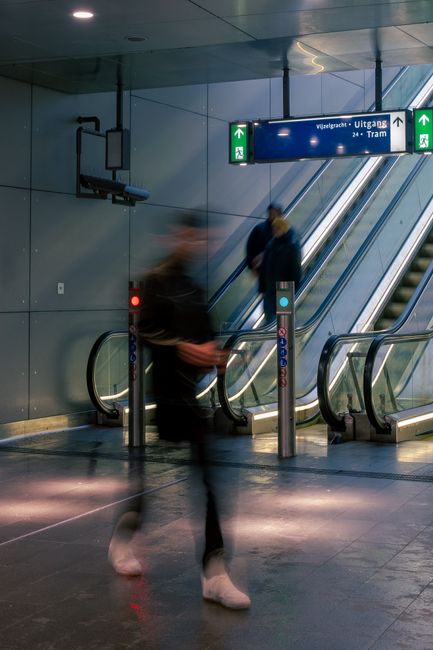
Combining Bike and Metro — Practical Routes, Bike Parking and Multimodal Tips
Combining biking with the metro lets you balance speed and sightseeing. Ride through charming neighborhoods and hop on the metro for longer transfers or to escape the rain. Here are typical routes, tips on bike parking and the rules for bringing bikes onto the metro.
Recommended Route 1: Airport → City → Nyhavn (bike + metro)
– Start: Københavns Lufthavn, Kastrup (Lufthavnen).
– Metro: take the M2 towards Vanløse to Kongens Nytorv (about 15 minutes, ~36 DKK/~€4.8 for 3 zones depending on origin).
– At Kongens Nytorv (Kongens Nytorv, 1050 København K), rent a Donkey Republic or Bycyklen bike to explore Nyhavn (Nyhavn, 1051 København K) and Strøget: it’s about a 5-minute ride along Kongens Nytorv. You can park near the canal in designated bike parking areas. Hours: Kongens Nytorv station follows metro hours (24/7 for trains); bike rental shops may open from 09:00 depending on the provider.
Recommended Route 2: Cityringen (M3) + ride to Christianshavn and Freetown Christiania
– Take M3 (Cityringen) to Christianshavn Station (Christianshavns Torv 1, 1408 København K).
– From the station, cycle along the canals toward Christianshavn (Christianshavn, 1416 København K) and Freetown Christiania (Prinsessegade 67, 1422 København K). Bike parking is usually available near Christianshavn Torv (check for bike stands).
– Walking/cycling time from the station: 2–8 minutes depending on your exact destination. Christiania is a unique place: respect local rules (no photography in some areas, be mindful of informal transactions). Christiania is open year-round, but local shops typically open around 10:00–18:00.
Taking Bikes on the Metro and Secure Parking
– Folding bikes: allowed and easy to bring on at any time. Non-folding bikes are usually permitted outside peak hours (avoid 07:00–09:00 and 15:00–18:00 on weekdays) so you don’t block other passengers.
– Parking: the central station (København H) has covered, monitored bike parking (Bernstorffsgade 16). Bike racks are also plentiful at Østerport (Østerbrogade 100) and Nørreport (Nørre Voldgade 13). Some large parking facilities charge a small fee; expect modest rates (e.g. 10–40 DKK/day ≈ ~€1.3–€5.3) depending on services.
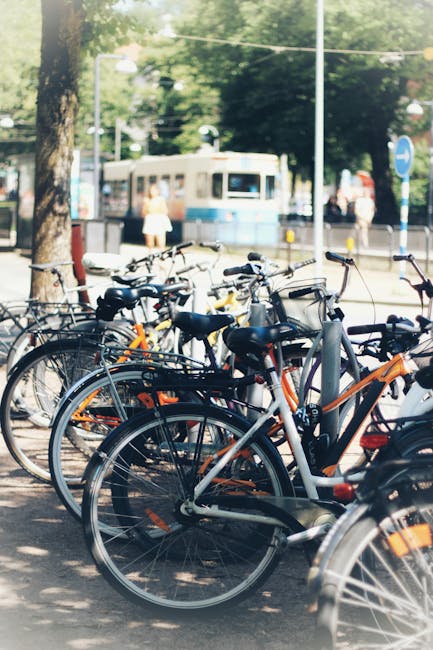
Iconic Bike Routes — From the City Center to the Waterfront and Hidden Neighborhoods
Here are five immersive routes that showcase Copenhagen’s variety by bike: historic canals, modern waterfronts, multicultural neighborhoods and green spaces. Each route includes start/end addresses, approximate durations and practical tips.
1) Nyhavn → The Little Mermaid (Langelinie)
– Start: Nyhavn, 1051 København K.
– Route: follow Kongens Nytorv toward Nyhavn, then head up toward Holmens Kanal and continue along Langelinie Allé to The Little Mermaid (Langelinie Allé 5, 2100 København Ø).
– Duration: 20–30 minutes at a relaxed pace (roughly 3–4 km depending on route).
– Tip: lock up at the stands near Langelinie Park; expect crowds around the statue. Visiting the Little Mermaid is free and accessible outdoors 24/7.
2) Vesterbro → Tivoli Gardens → København H
– Start: Vesterbrogade / Istedgade (Vesterbro) — landmark Vesterbrogade 3, 1630 København V (Tivoli Gardens).
– Route: ride along Vesterbrogade, check out the cafés on Istedgade, then enter Tivoli Gardens (Vesterbrogade 3).
– Duration: 10–15 minutes depending on stops. Tivoli Gardens is open roughly 11:00–23:00 depending on the season; admission is around 135 DKK (~€18) not including paid attractions. Check the park’s site for seasonal hours.
3) Islands Brygge → Amager Strandpark
– Start: Islands Brygge, 2300 København S — lovely waterfront promenades, cafés and swim spots.
– Route: follow the quays toward Amager Strandpark (Amager Strandpark, Øresundsvej 99, 2300 København S).
– Duration: 20–30 minutes depending on pace. Amager Strandpark has a sandy beach, piers and picnic areas; entry is free and it’s open year-round.
4) Nørrebro urban discovery
– Start: Nørrebrogade, 2200 København N — heart of Nørrebro.
– Route: explore Jægersborggade (cafés and craft shops), visit Assistens Kirkegård (Assistens Cemetery — final resting place of Hans Christian Andersen among others), then return via Sankt Hans Torv.
– Duration: 30–45 minutes with stops; perfect for sampling local food in small restaurants. Many e-bikes are available for hire to help with gentle inclines.
5) Nordhavn and modern architecture
– Start: Nordhavn Station (Nordhavn, 2150 København).
– Route: explore the northern waterfront, The Silo and the new residential districts — an industrial landscape transformed into public spaces.
– Duration: 30–40 minutes. Nordhavn is reachable by metro (M4) and is worth visiting for contemporary architecture and seaside walks.
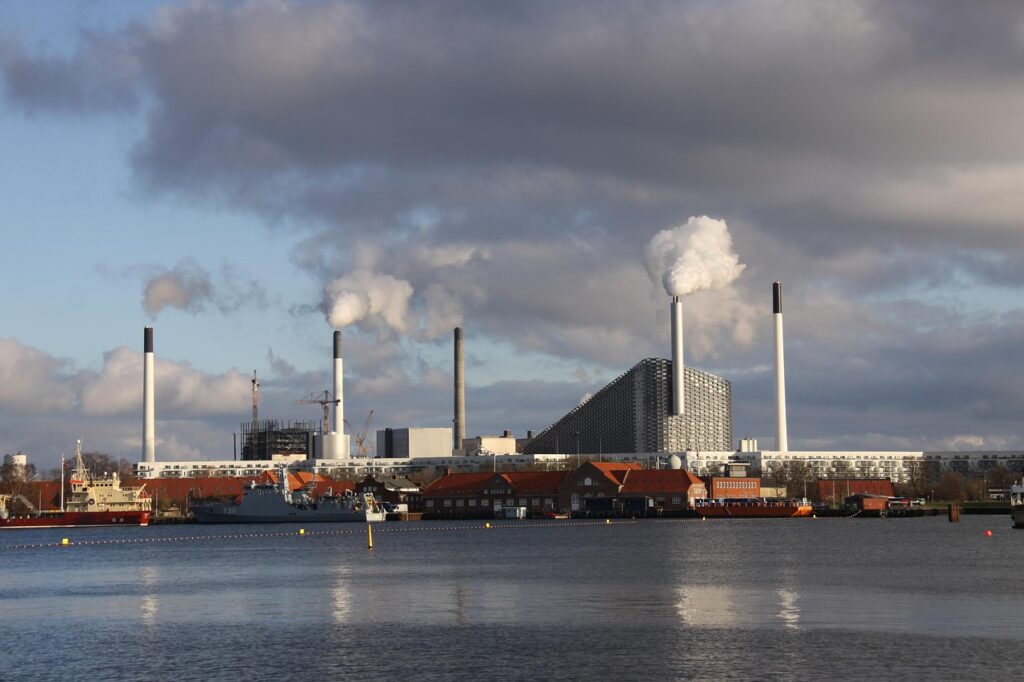
Local Tips, Safety, Budget and Final Recommendations
Here’s a consolidated list of practical tips, safety advice and budgeting guidance to help plan your trips around Copenhagen, whether you’re a beginner cyclist or a traveler who mainly uses the metro.
- Indicative daily budget (transport only): if you plan to mix shared bike use + metro, expect roughly €10–€25 per day (short-term bike rental + 24h metro ticket). If you rely solely on the metro with a 24-hour pass, ~€10.7/day. Day bike rentals typically range ~€16–€53 depending on the model (mechanical vs e-bike).
- Useful apps: Rejseplanen and DOT for route planning, Donkey Republic or Bycyklen for bike rentals, Google Maps for viewing bike lanes and live conditions.
- Safety: helmets aren’t mandatory but are recommended, especially for new cyclists and in winter. Carry a sturdy lock (U-lock) if you rent a bike for the day.
- Rain: carry a waterproof jacket and protect your bag. Mudguards help prevent splashes from traffic.
- Obey signage: police can fine dangerous behavior; civic awareness is high — watch for pedestrians at crossings and respect bike priorities.
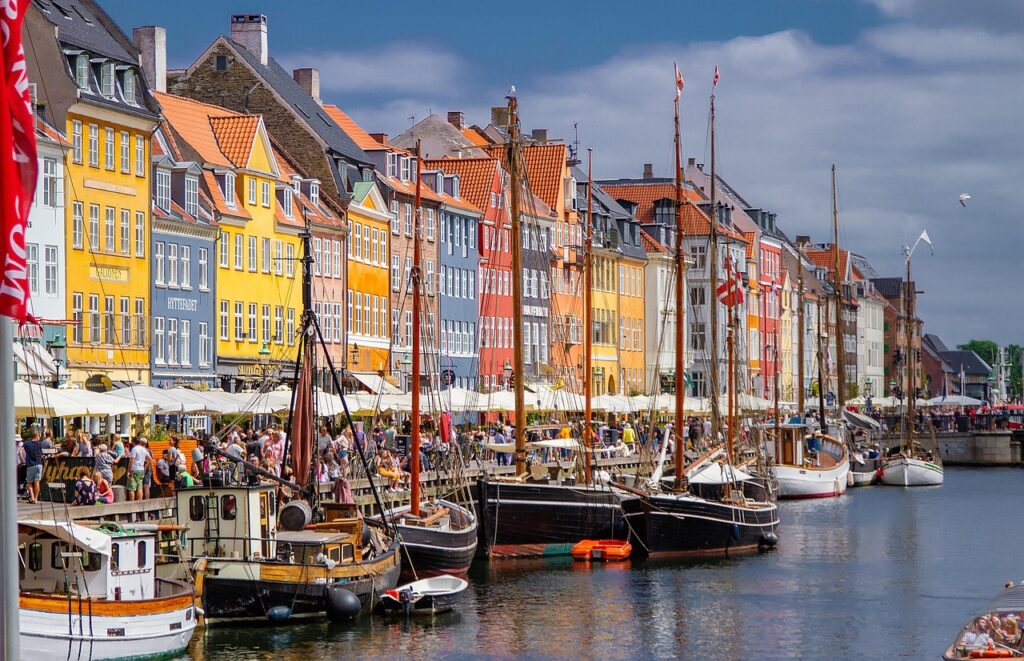
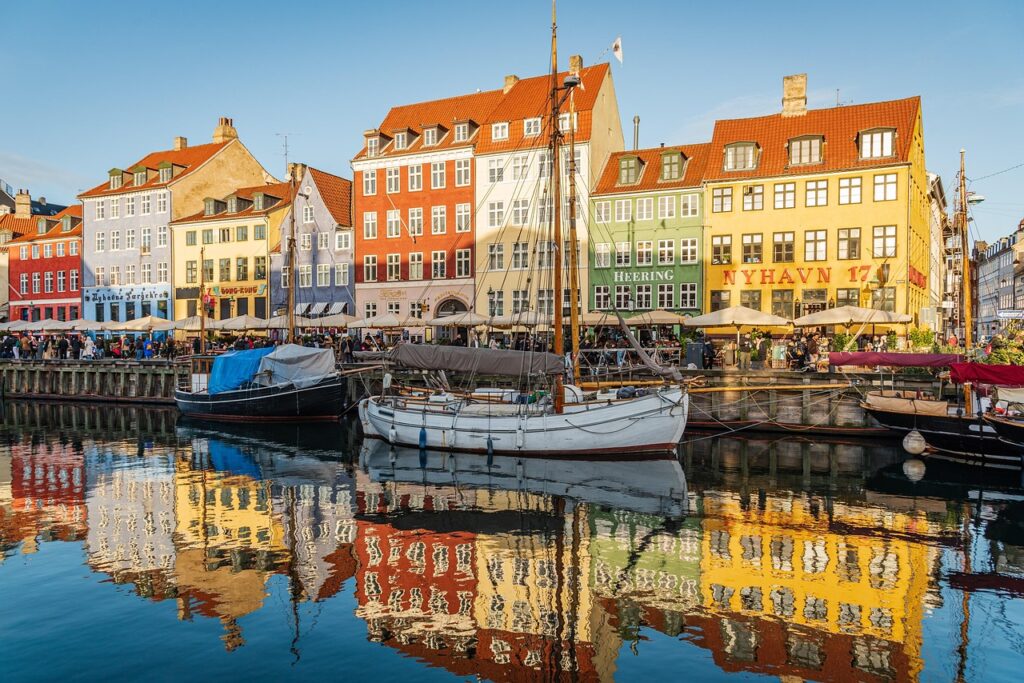
- Handy combos: picnic at Islands Brygge (Islands Brygge 5), photo stops in Nyhavn (Nyhavn, 1051 København K), quick visit to Amalienborg (Amalienborg Slotsplads 5, 1257 København K) — these are easy to reach by bike or metro (closest stations: Kongens Nytorv, Nyhavn; Østerport for Amalienborg).
- Areas to avoid cycling at night: most neighborhoods are safe, but exercise caution in some industrial zones late at night; in those cases, prefer the metro for your return journey.
Conclusion — Choosing Between Biking and the Metro in Copenhagen
Deciding whether to get around Copenhagen by bike or by metro comes down to what you value: local immersion and the freedom to explore (bike) versus speed and comfort for longer trips or bad-weather days (metro). The best part about Copenhagen is being able to mix both. Rent a bike for the morning and take the metro in the late afternoon, or vice versa, to make the most of your time and experiences: neighborhood cafés, waterfront parks, modern architecture and multiple vantage points over the canals.
For a first visit, I recommend: (1) buying a 24-hour metro pass (~80 DKK/€10.7) to cover arrivals and quick transfers, (2) renting a Donkey Republic or Bycyklen bike for a full day to explore at a human pace — Nyhavn (Nyhavn, 1051 København K), Christianshavn (Christianshavn, 1416 København K), Islands Brygge (Islands Brygge 5, 2300 København S) — and (3) keeping the Rejseplanen app handy for up-to-the-minute schedules and connections.
By following cycling etiquette, securing your bike and understanding the metro fare system, you’ll turn getting around into a core part of your travel experience. The blend of safe bike infrastructure and a modern metro makes Copenhagen a city where moving around is as easy as it is enjoyable. Have a great trip, and enjoy the fresh air, the quays and the lively streets — whether you’re on two wheels or under the vaulted roof of a Danish metro station!