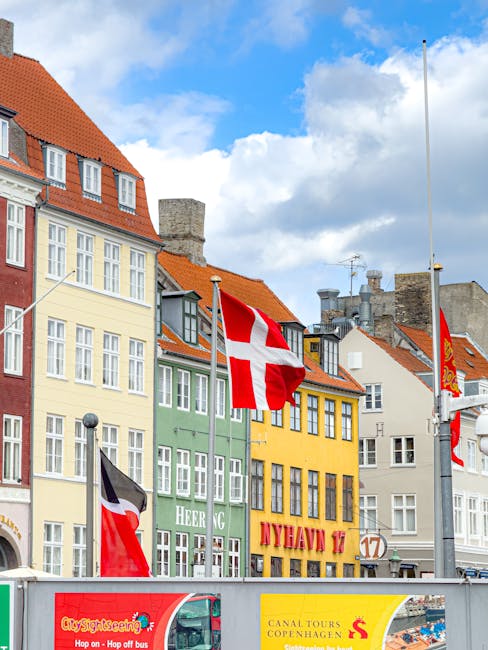






Introduction: Smørrebrød, Copenhagen’s Culinary Icon
Smørrebrød — literally « butter and bread » — is one of Denmark’s culinary signatures and a perfect doorway into Copenhagen’s food story. Far from a simple open-faced sandwich, smørrebrød is a carefully composed plate of fresh, often local ingredients piled onto a dense, buttered slice of rye. In Copenhagen the tradition has evolved: from royal tables to casual counters, market stalls to Michelin-caliber restaurants, each spot offers its own take, blending heritage with modern creativity.
In this detailed guide I’ll take you through the history, sensory descriptions and practical tips on where to eat the best smørrebrød in the Danish capital. You’ll find exact addresses, opening hours, price ranges in euros, and local tips to enjoy this experience like a true Københavner. The goal isn’t just to list places: it’s to explain why these open sandwiches play a central role in Danish social life — from business lunches to Sunday family meals.
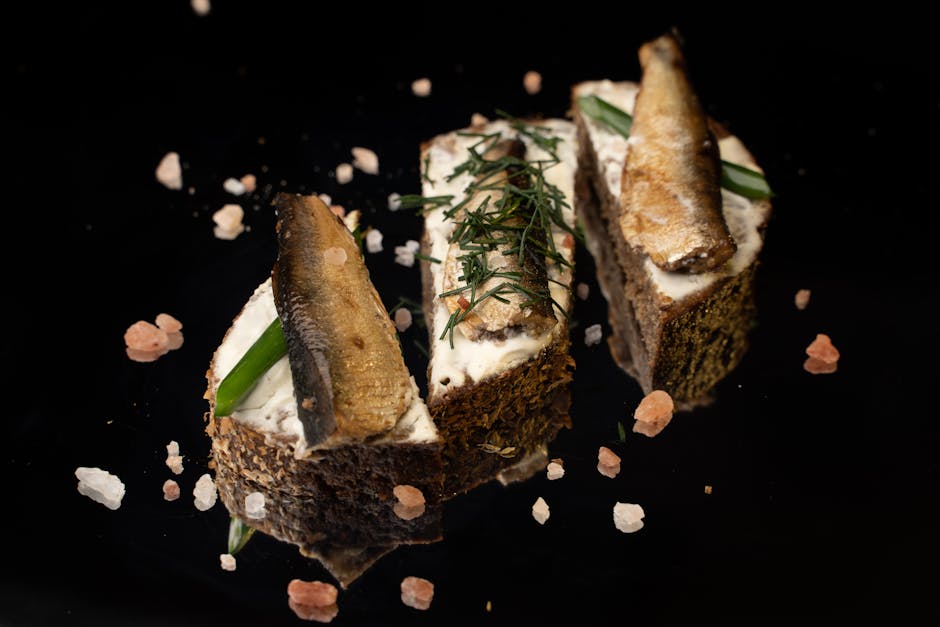
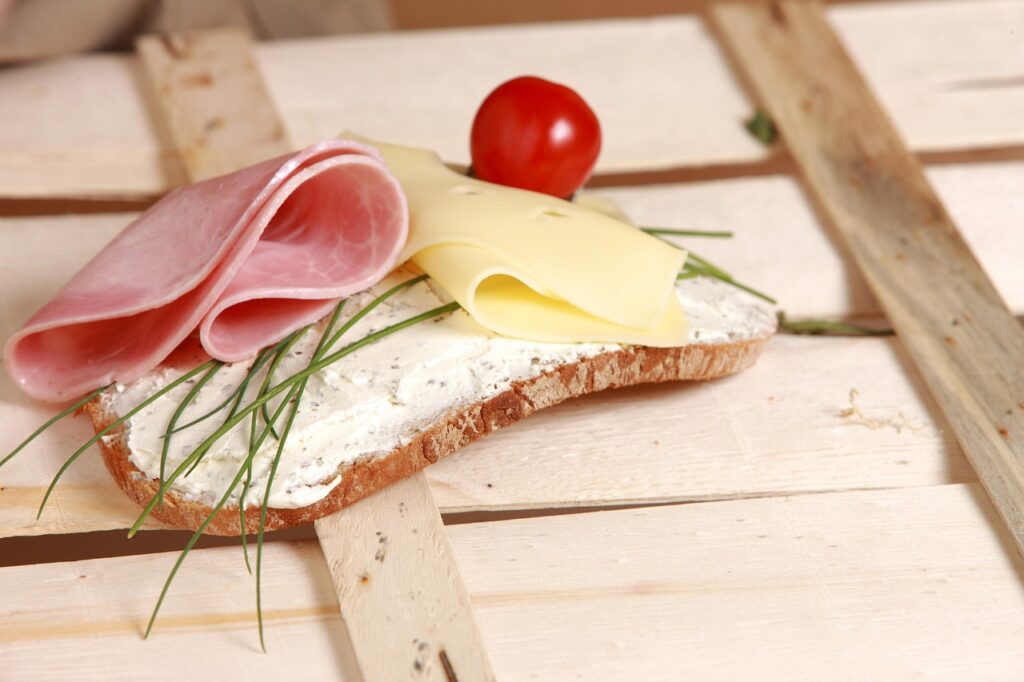
Modern smørrebrød rests on three pillars: the bread (usually rugbrød, a dense rye loaf), the butter (often salted and applied generously), and the topping (marinated fish, roast beef, pates, pickled vegetables, fresh herbs). Each element is handled with care: the bread is sliced thinly but sturdy enough to hold toppings, the butter protects against sogginess and adds richness, and the arrangement of ingredients often follows an order and aesthetic passed down through generations.
This guide includes historic and contemporary spots — market counters to traditional restaurants — plus a few innovations from the New Nordic scene. I’ll also cover regional and seasonal variations, from sharp herring rillettes to bolder creations with smoked salmon, Danish-style cervelat, or vegetarian rolls. Finally, you’ll get practical tips: how to order, what to pair it with (Danish beer, aquavit, or strong coffee), and how to respect local codes like the art of pålæg — the delicate placement of toppings.
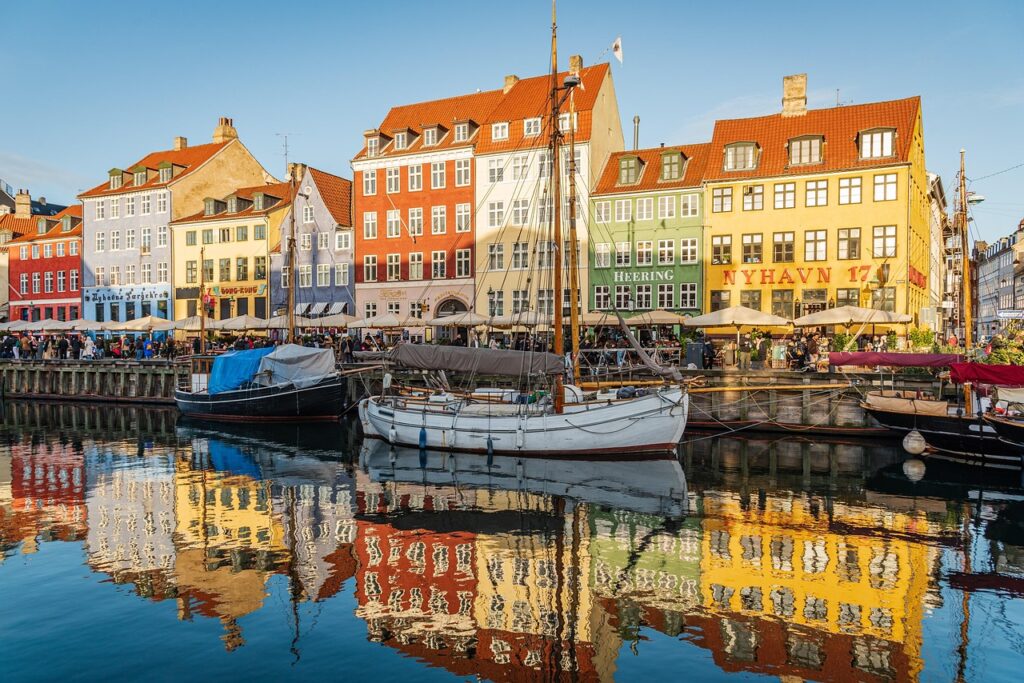
History and the Evolution of Smørrebrød in Copenhagen
The story of smørrebrød goes back well before modern times: in the 18th century Danish workers took buttered slices of bread topped with the previous night’s leftovers to create an economical, filling midday meal. In Copenhagen this humble dish gradually became more refined. Rugbrød, the dense, fiber-rich rye bread, became the essential base because it holds toppings well and doesn’t collapse for hours.
In the 19th century the bourgeoisie adopted smørrebrød and embellished it with finer ingredients like smoked salmon, hard-boiled eggs, marinated herring and fresh herbs. Cafés and restaurants in the capital started serving composed plates, and smørrebrød became both a popular lunch and a formal tasting dish. From the mid-20th century some establishments specialized and fixed family recipes, while others experimented with textures and sauces.
Since the 2000s Copenhagen’s food scene, propelled by the New Nordic movement, has brought smørrebrød into the international spotlight. Renowned chefs reinterpret classics with an emphasis on local produce, artisan breads and sustainability. Yet tradition remains alive: you can still find counters serving smørrebrød by century-old recipes, often at very reasonable prices.
Here are a few historic spots that illustrate this evolution:
- Schønnemann — Hauser Plads 16, 1127 København K. A traditional establishment founded in the 19th century, famous for its selection of marinated herrings and generous portions. Indicative prices: €10–18 per smørrebrød. Hours: Monday–Saturday 11:00–17:00.
- Aamanns 1921 — Øster Farimagsgade 10, 2100 København Ø. Aamanns modernized smørrebrød by returning to classic recipes with a strong focus on house-made bread. Price: €12–22 for a composed plate. Hours: Monday–Sunday 11:00–21:00.
- Torvehallerne (Hallernes Smørrebrød) — Frederiksborggade 21, 1360 København K. The covered market offers stalls serving fresh smørrebrød — perfect for a meal on the go. Price: €6–14 per piece. Hours: Monday–Saturday 10:00–20:00, Sunday 10:00–18:00.
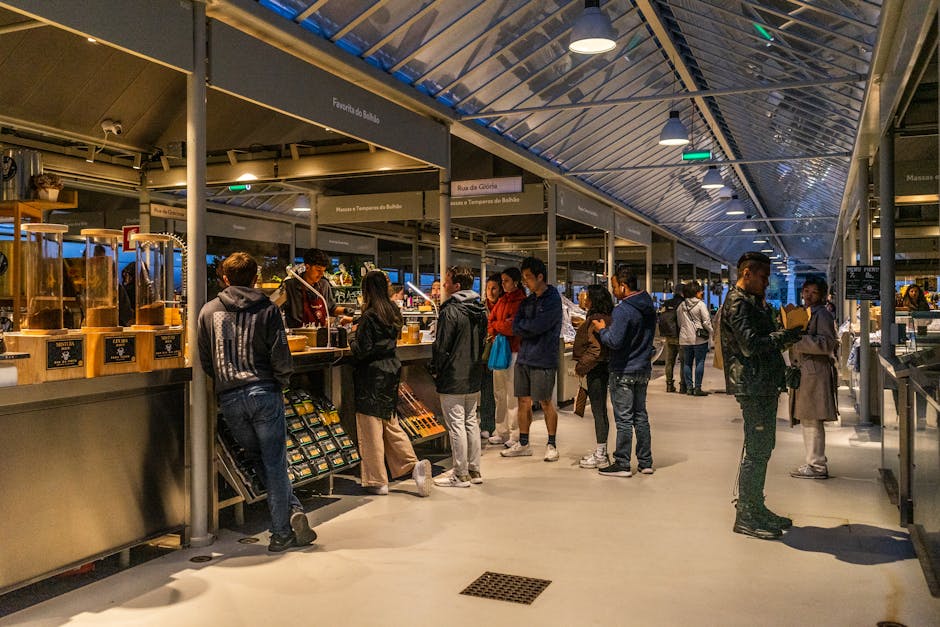
These places showcase the variety: from cozy bistros to bustling market counters. Culturally, smørrebrød is a social moment: lunch in Copenhagen often means sharing several slices among friends or colleagues, accompanied by a local pale beer or a small glass of aquavit for celebratory occasions. Danes also put great emphasis on presentation: toppings are usually arranged with care, making each smørrebrød as pleasing to the eye as it is to the palate.
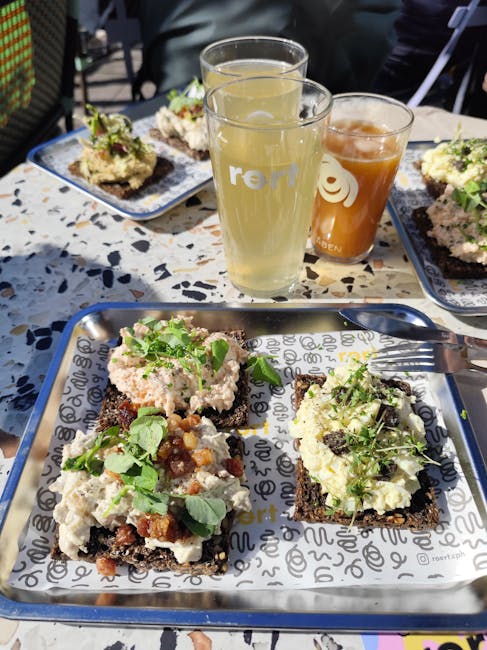
Major Variations and Must-Try Styles
Smørrebrød comes in a huge range of styles, each with its fans. Below are the categories and preparations you’ll most often encounter in Copenhagen, with sensory descriptions and tasting tips.
1) Marinated Herring (Sild): Herring is one of the most iconic ingredients. Marinated in curry (karrysalat) or in onion and herbs, it delivers a sweet-tangy contrast. Karrysild (herring in a sweet curry-style sauce) is often served with onions and pickles — a classic that wakes up the palate. Expect a mix of textures: creamy sauce, crunchy pickles, and the sturdy chew of rugbrød.
2) Salmon (Laks): Whether smoked, cured or gravlax, salmon is a safe bet. Gravlax — slightly sweet and anise-tinged with dill — often comes with a mild mustard-dill sauce (hovmästarsås). At Aamanns 1921 (Øster Farimagsgade 10, 2100 København Ø) expect €14–20 for a generous portion. Hours: 11:00–21:00. 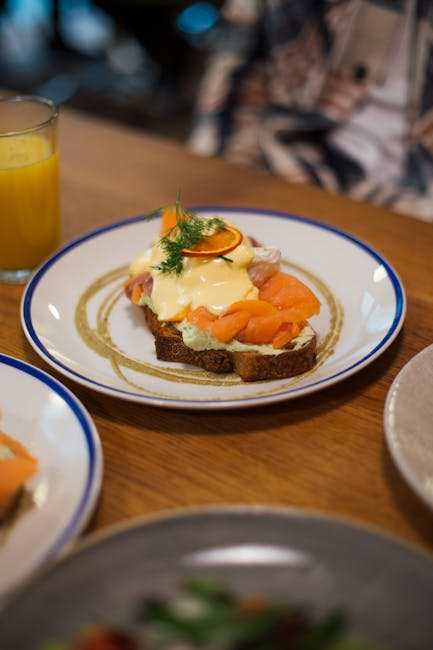
3) Roast Beef and Cold Cuts: Thinly sliced roast beef, paired with capers, fried onions and remoulade sauce, is a hearty, flavorful choice. Restaurants like Told & Snaps (Nybrogade 12, 1203 København K) serve traditional, carefully prepared versions. Price: €13–19. Hours: Monday–Sunday 12:00–22:00. 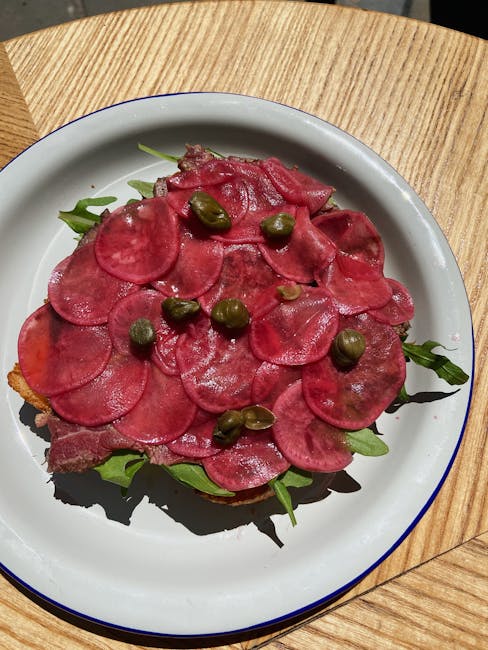
4) Pâtés and Rillettes: Country pâté and fish rillettes remain popular, often topped with pickles, parsley and capers. These open sandwiches pair perfectly with very buttered rye and an amber beer.
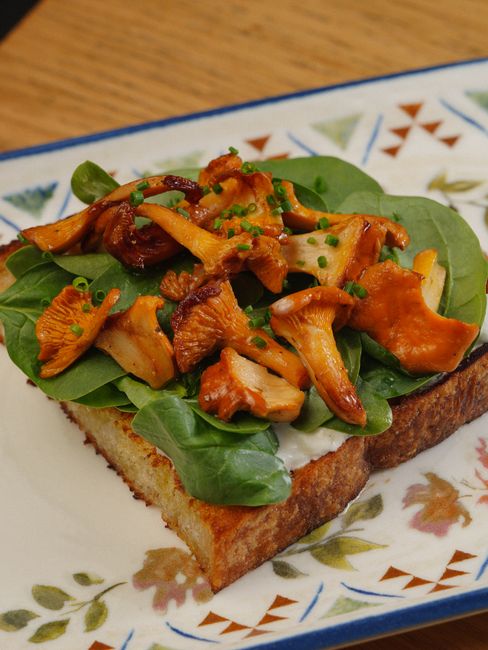
5) Vegetarian and Modern Options: The contemporary scene offers creative alternatives: grilled eggplant, seaweed hummus, pickled beet, and local cheeses. Places like Manfreds (Jægersborggade 40, 2200 København N) serve plant-forward versions inspired by New Nordic cuisine. Price: €10–18. Hours: Monday–Sunday 12:00–23:00. 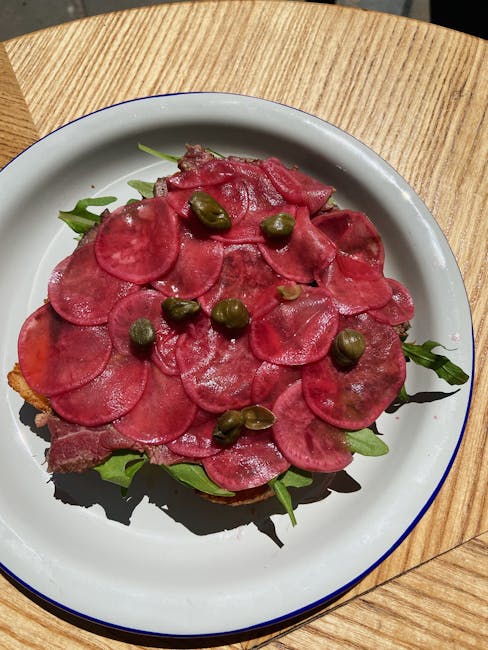
Tasting tips: order two to three different varieties to share so you can sample multiple textures and flavors. Pair your smørrebrød with a Danish pale beer (lightly malty) or a glass of aquavit for an authentic experience during a traditional meal. If you’re at Torvehallerne (Frederiksborggade 21), stroll along a canal or sit on a public bench to enjoy your order in a lively setting. 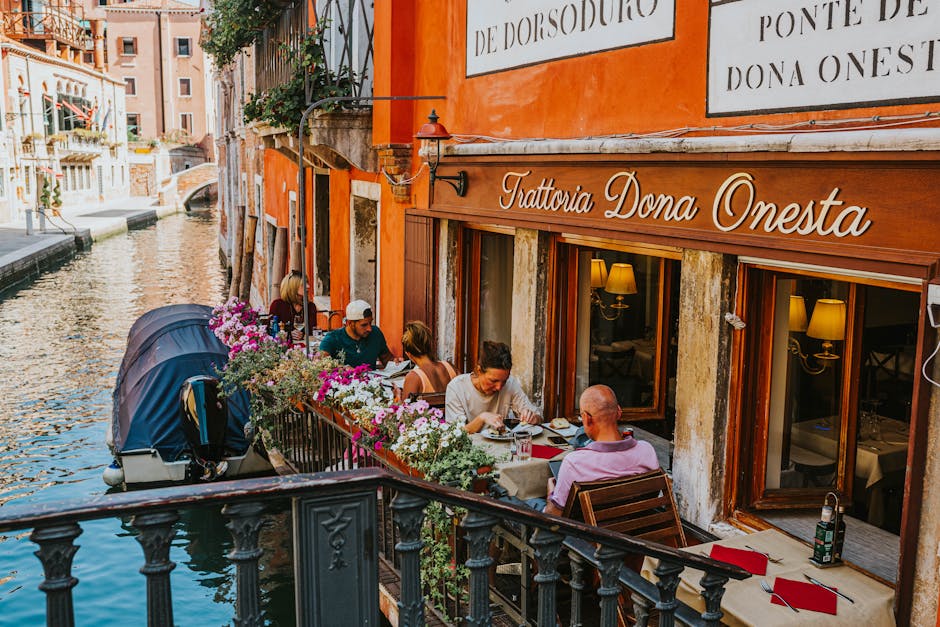
Where to Eat: Practical Recommendations and Exact Addresses
Here’s a selection of places in Copenhagen, from historic institutions to market stalls and contemporary bistros. I list the exact address, euro price ranges, typical hours, and a short immersive description of what to expect.
- Schønnemann — Hauser Plads 16, 1127 København K. Price: €10–18 per smørrebrød. Hours: Monday–Saturday 11:00–17:00. Description: Old-world charm inside, dark wood paneling, tablecloths and a menu focused on marinated herrings and cold cuts. Attentive service and the atmosphere of a classic Danish lunch.

- Aamanns 1921 — Øster Farimagsgade 10, 2100 København Ø. Price: €12–22 per plate. Hours: Monday–Sunday 11:00–21:00. Description: Contemporary vibe, house-made rye, clean presentation. Great for discovering modern, refined takes on smørrebrød. Reservations recommended in the evening.
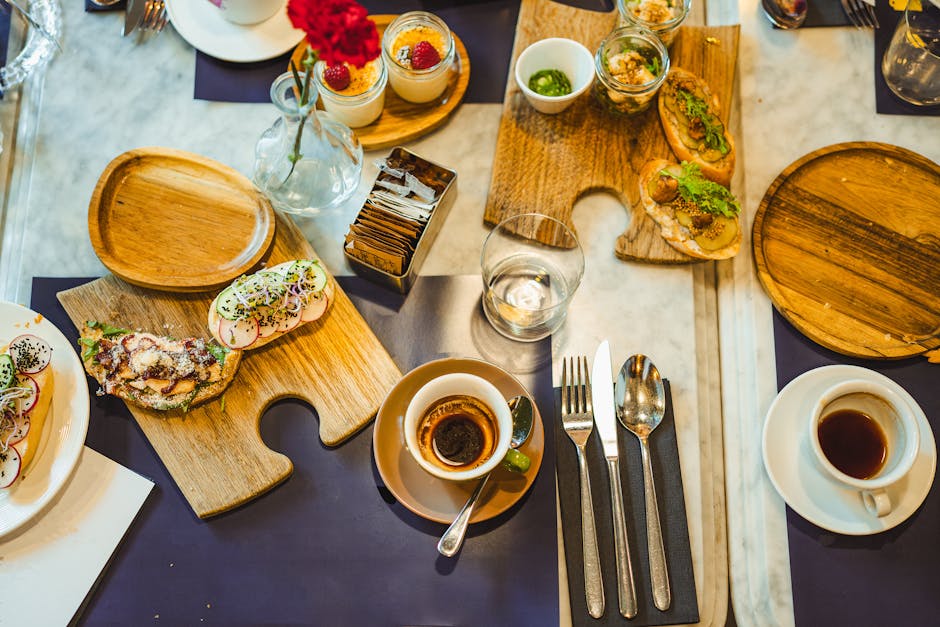
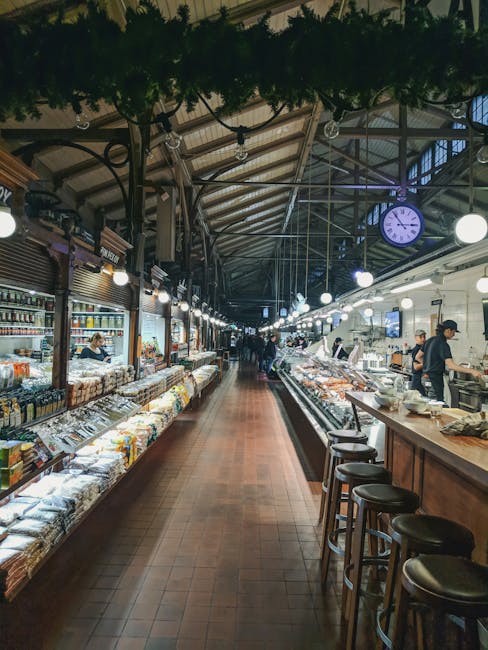
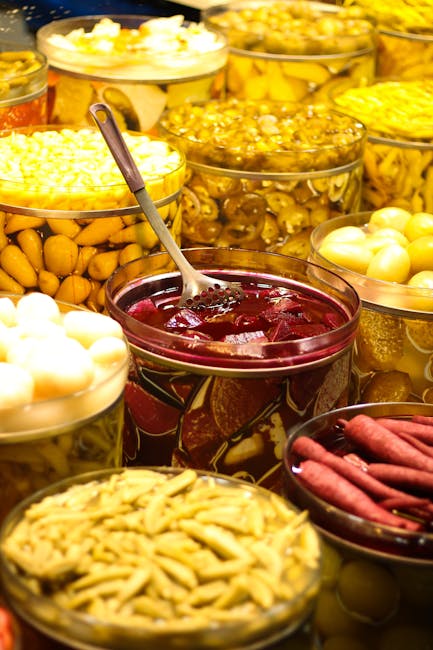
- Torvehallerne (Hallernes Smørrebrød) — Frederiksborggade 21, 1360 København K. Price: €6–14 per piece. Hours: Monday–Saturday 10:00–20:00, Sunday 10:00–18:00. Description: A bustling covered market, perfect for a quick bite. Stalls offer a wide choice: herring, salmon, pates and vegetarian options. Ideal for a flexible, convivial lunch.
- Told & Snaps — Nybrogade 12, 1203 København K. Price: €13–19. Hours: Monday–Sunday 12:00–22:00. Description: A cozy waterside bistro, Nordic specialties, a wide aquavit list, and generous smørrebrød served with fresh salads. Lively atmosphere in the evenings.
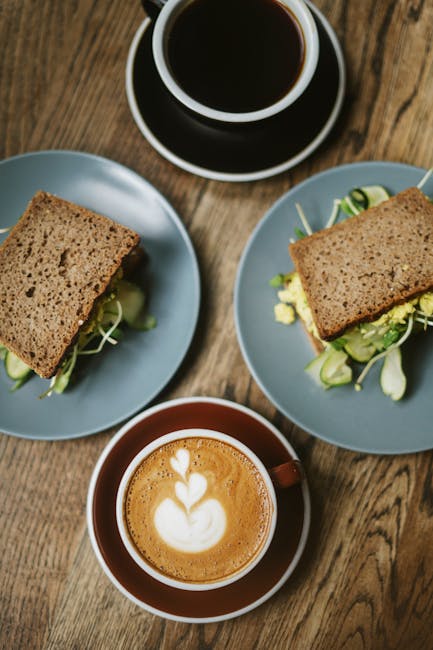
- Manfreds — Jægersborggade 40, 2200 København N. Price: €10–18. Hours: Monday–Sunday 12:00–23:00. Description: A hub of Nørrebro’s food scene, offering creative vegetarian options and local produce. Perfect for travelers curious about Denmark’s culinary trends.
Practical tip: most places accept cards. At lunchtime avoid peak hours (12:00–13:30) if you want a quieter experience. For a more traditional late-afternoon meal, note that Schønnemann often closes early, so plan to visit before 17:00.
Local Tips: How to Order, Eat and Make the Most of the Experience
Blending into the local food culture just takes a few simple codes. Here are practical tips for ordering, eating and enjoying smørrebrød like a local in Copenhagen.
Ordering: Menus often list smørrebrød individually; in Denmark it’s common to order several and share them. Say « ét stykke » (or in Danish « én stykke smørrebrød ») to order one piece. In more formal restaurants staff might offer a « platter » — a composed plate that’s handy if you want to sample several varieties.
What to drink: Danes often pair smørrebrød with a light beer (e.g., Carlsberg or Tuborg) or, for a more traditional experience, a shot of aquavit (aromatic schnapps). Cafés also serve excellent strong black coffee if you prefer a non-alcoholic option.
How to eat it: Use a fork and knife if the smørrebrød is heavily loaded — it’s cleaner and more in line with local practice. For a more relaxed style, carefully pick up the slice and eat it like a sandwich, though this can get messy. Danes appreciate the presentation, so try not to dismantle the arrangement by removing ingredients one by one.
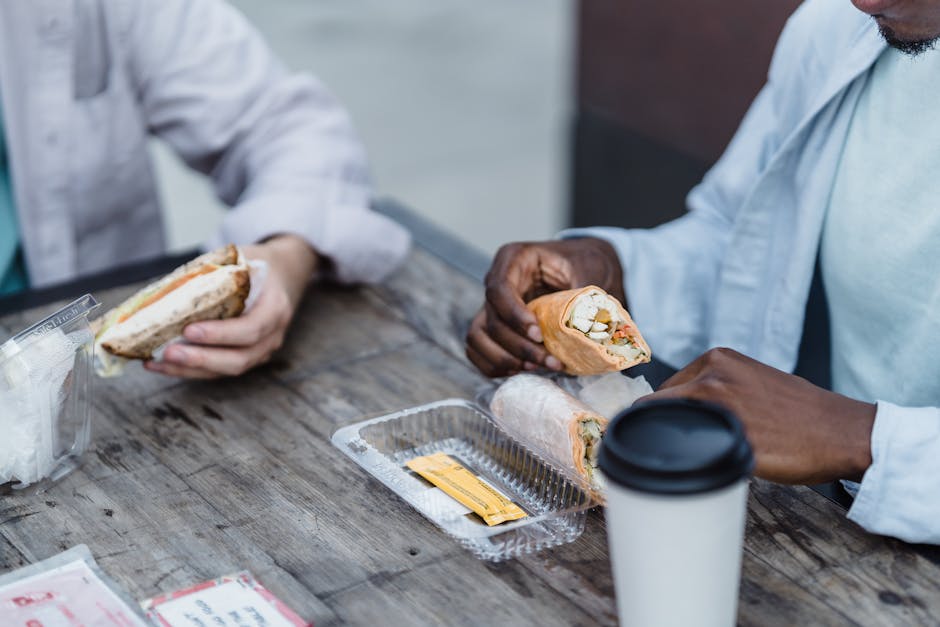
Saving money: Prices at Torvehallerne are often more affordable than in sit-down restaurants. You can combine a smørrebrød with a small salad or a beer for a lunch between €10 and €20. Also look out for lunch menus that bundle several pieces at a reduced price.
Respect and social dynamics: Meals are often quick but social: locals eat quickly during the lunch break and head back to work. Evenings, by contrast, can be longer and more festive, especially if aquavit and traditional songs are involved.
Conclusion: Between Tradition and Innovation, Smørrebrød Is an Experience to Live
Smørrebrød in Copenhagen is more than a dish: it’s a link between history, terroir and social life. From the rustic simplicity of marinated herring to the modern elegance of gravlax in contemporary restaurants, every slice tells a story about the city and its people. This guide has given you concrete pointers: names with streets and addresses, price ranges in euros, typical opening hours and immersive descriptions to help you plan your tastings precisely.
To get the most from the experience, mix your visits: a market counter for an informal lunch, a historic institution for authenticity, and a modern bistro to explore creative interpretations. Take time to admire the presentation, taste combinations of textures, and ask staff for recommendations — Danes and chefs are usually happy to explain a recipe’s origins or suggest a local drink pairing.
Finally, remember that enjoying smørrebrød is also participating in a social tradition: sharing, comparing and savoring. Whether you love fish, cold cuts or are a curious vegetarian, Copenhagen offers a rich and accessible palette. Take these addresses (Schønnemann, Aamanns 1921, Torvehallerne, Told & Snaps, Manfreds) in your travel notes, respect the listed hours and follow the smells of fresh bread and dill — you’ll have one of Denmark’s most authentic culinary experiences.
Enjoy your culinary journey — velbekomme!