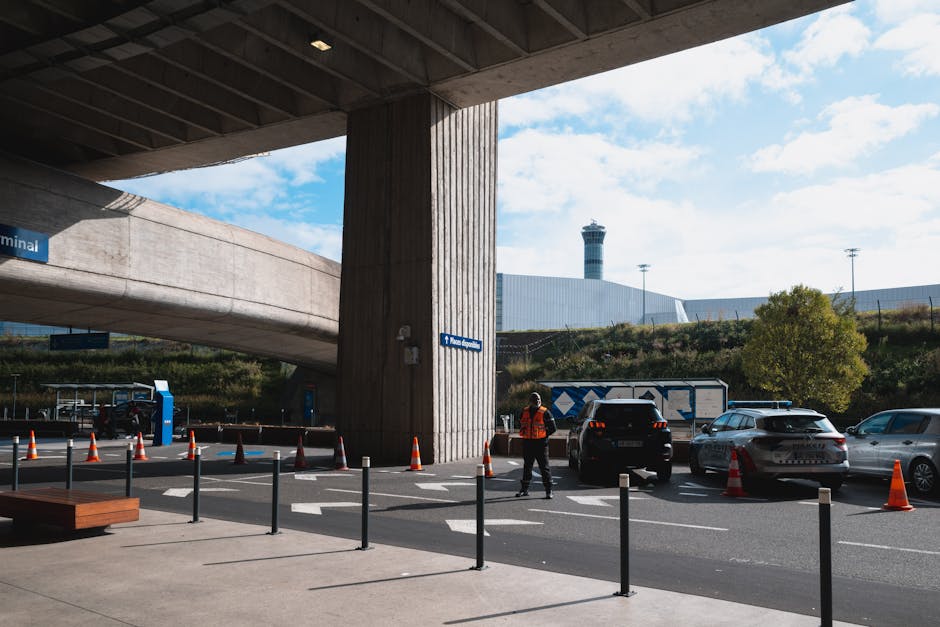





Introduction — Arriving at Copenhagen Airport (CPH): what to expect
Copenhagen Airport, Kastrup — officially Copenhagen Airport, Kastrup — is Denmark’s main international gateway and a key Nordic hub. Located at Lufthavnsboulevarden 6, 2770 Kastrup, Denmark, it’s easy to reach from central Copenhagen by metro, train, bus or taxi. Whether you’re arriving for sightseeing, business or a connection, knowing the airport procedures will save you time, reduce stress and get your trip off to a smooth start.
In this practical, step-by-step guide I walk you through the formalities at CPH: from arrival at the terminal, check-in counters and baggage drop, through security screening and immigration, including options for transfer passengers and travelers with reduced mobility. You’ll find up-to-date practical info: addresses, typical opening times, indicative prices in euros (with conversions where helpful), full names of on-site facilities, plus local tips and recommendations to make your transit through CPH as seamless as possible.
The airport is mainly split between Terminal 2 (Terminal 2 – intra‑Schengen flights and some regional Nordic services) and Terminal 3 (Terminal 3 – intercontinental and non‑Schengen flights, the main hub). Signage is usually in Danish and English; still, knowing the rules and the steps will help you avoid following the wrong signs. We also cover immigration specifics: who sees a police officer, who can use the automated eGates, and the differences between Schengen and non‑Schengen checks. You’ll also learn about VAT refunds/detaxe, where to get cash, and which shops and cafés are most convenient when you have time to spare.
This guide uses current practical information: CPH operates around the clock, but check-in desks, security checkpoints and shops have different opening hours. Local prices are in Danish kroner (DKK), but for convenience I’ve shown approximate euro conversions (1 EUR ≈ 7.50 DKK). For emergencies, the main information desks and airport monitors display contact numbers and live opening times. Finally, I share local tips — for example, which counters tend to be quickest, when to use self‑service kiosks, and how to speed up your immigration clearance — so you can approach CPH with confidence.
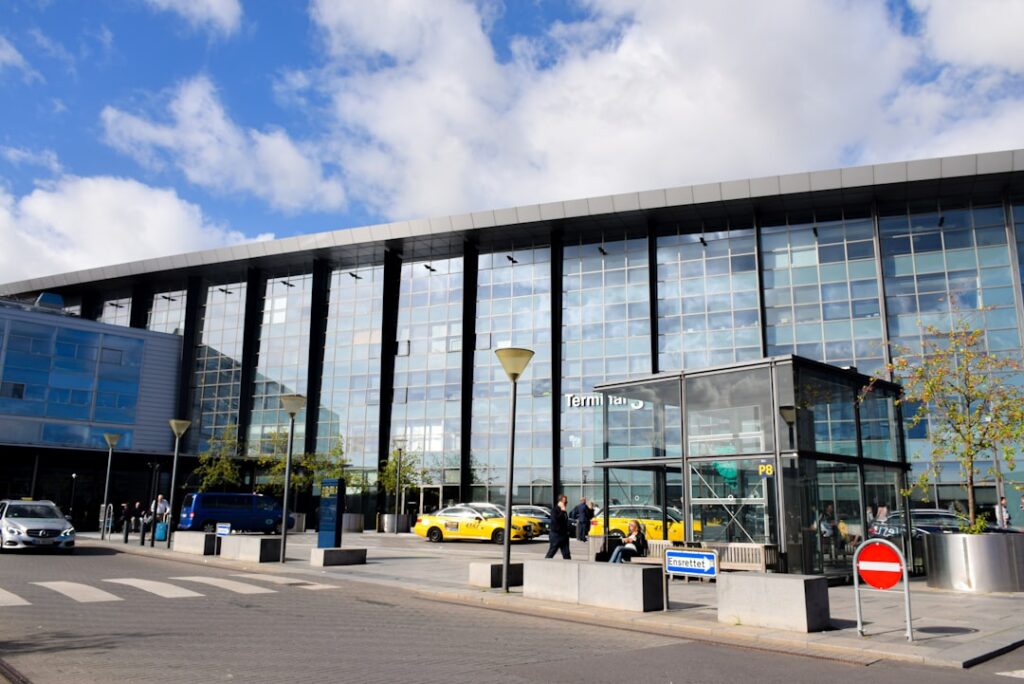
1) Arrival at CPH: transport, access and first steps
Your first contact with the airport is often the ground journey — and it matters. Copenhagen Airport, Kastrup is about 8 km southeast of central Copenhagen. The official address for your GPS is Lufthavnsboulevarden 6, 2770 Kastrup, Denmark. Public transport: the M2 metro connects the airport to the city centre (to Nørreport or Kongens Nytorv) with frequent service (roughly every 4–6 minutes at peak times, and every 10–12 minutes late at night). The trip to Kongens Nytorv takes about 13 minutes. Ticket prices depend on zones; as a guideline a standard metro ticket from the airport to the centre costs about DKK 36, roughly €4.80 (indicative).
Regional trains (DSB) also call at Copenhagen Airport, Kastrup Station, linking to places like Odense, Roskilde and other Danish towns.
Taxis and ride‑hailing: taxi ranks are located outside the arrivals halls. A taxi from the airport to central Copenhagen typically costs around DKK 250–350 (≈ €33–47), depending on the time of day and traffic. Night rates and baggage surcharges can apply.
Parking: if you drive, CPH offers several parking options: short‑term ParkZone (P1, P2) close to the terminals, and long‑stay lots (P40, P41) for extended trips. Prices vary: short parking (1 hour) is about DKK 35 (≈ €4.70), a full day in P1/P2 is around DKK 250 (≈ €33), while long‑stay parking starts near DKK 80–100 per day (≈ €10–13) with discounts for online bookings. Check airport signage or the official CPH website for current rates.
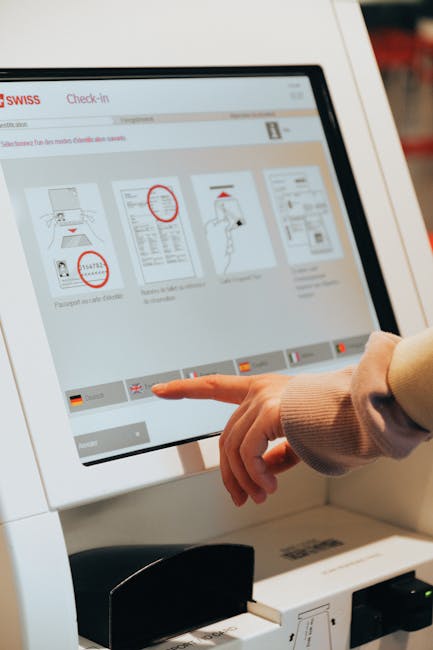
First steps on arrival: head to your airline’s check‑in area. Many carriers — SAS Scandinavian Airlines, Norwegian Air Shuttle, Lufthansa — offer self‑service kiosks as well as traditional check‑in desks. Kiosks usually accept passports and payment cards and are fast for tagging bags. Check‑in desks typically open 2–3 hours before European departures and 3–4 hours before long‑haul flights — always verify times shown on your booking.
2) Baggage drop and special items (oversized luggage, valuables)
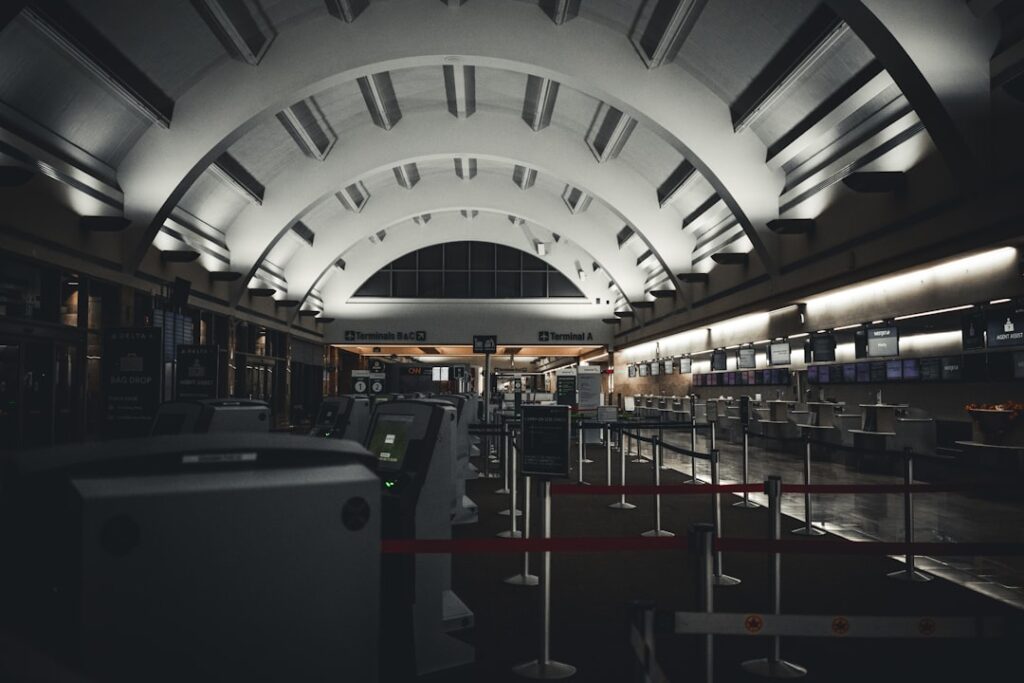
Baggage drop at CPH follows standard procedures but has a few important details. After checking in (online or at the desk), go to the clearly marked “Baggage Drop” area if you checked in online. These zones are easy to find in both Terminal 2 and Terminal 3. Staff from CPH or your airline will check your tag and give you a receipt. If you travel with special items (sports gear, musical instruments, pets in hold), notify the airline when you book — extra fees and rules usually apply.
Fees: checked baggage charges depend on the airline. Indicative examples:
– SAS: a standard checked bag (23 kg) is often included with Flex/Plus fares; on Basic fares adding a bag typically costs about €25–40 depending on route.
– Norwegian: checked baggage generally costs around €25–45 extra depending on destination.
– Ryanair (low‑cost flights using CPH): fees vary, commonly between €20–50.
For oversized items (e.g. surfboards, skis) expect surcharges in the range of €50–150 depending on weight and airline.
Valuables and fragile items: for instruments or artwork, check whether they can be carried in the cabin (if allowed) or require extra insurance. The Airport Lost & Found / damaged baggage service is located at Copenhagen Airport Lost & Found, Terminal 3; contact details are available on the official site. If baggage is damaged, request a PIR (Property Irregularity Report) from your airline’s desk before leaving the airport.
Practical tips:
– Put ID tags inside and outside your luggage with contact details.
– Photograph contents for insurance purposes.
– Carry a change of clothes and essential medication in your cabin bag.
– For connections, confirm whether your luggage is checked through to the final destination or if you must reclaim and re‑check it (some transfers between non‑partner airlines require you to collect bags).
3) Security screening at CPH: procedures, prohibitions and tips
Security screening (Security Check) is mandatory before you reach the departure gates. Screening points are centralized in Terminals 2 and 3 depending on your airline and gate. As a rule, plan to arrive at least 60–90 minutes before a Schengen flight and 2–3 hours before an international/non‑Schengen flight if you have checked luggage.
Procedure:
– Remove metal items, belts and shoes if instructed.
– Place laptops and tablets in separate trays.
– Cabin liquids must be in containers of 100 ml maximum and placed in a clear resealable plastic bag (max 1 litre).
– Duty‑free purchases made after security can generally be carried on board subject to the airline’s and destination country’s rules.
Priority lanes and Fast Track: CPH offers Fast Track security lanes for business class passengers, elite frequent flyers, or those who purchase the Fast Track option. Day passes for Fast Track vary; expect to pay about DKK 100–150 (≈ €13–20) if booked in advance via certain offers.
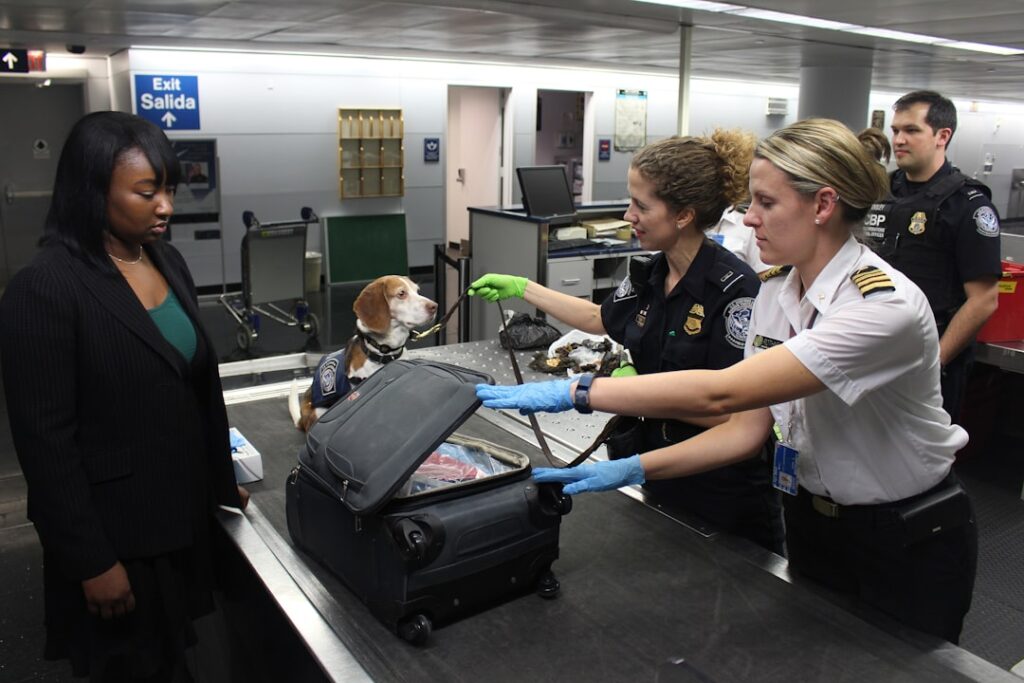
Prohibited items and controlled goods: weapons, liquids over 100 ml, unwrapped sharp objects, and certain chemicals are prohibited in the cabin. Food rules depend on your destination (phytosanitary checks). Security officers may open and inspect your items — cooperate and follow instructions.
Local time‑saving tips:
– Use self‑service check‑in kiosks and tag your bags early.
– Avoid peak times (mornings 05:30–09:30, late afternoons 16:00–19:00).
– Remove watches and jewellery before approaching the scanner.
– If traveling with family, keep electronics together in one bag for quick separation.
– For medical liquids, have prescriptions or certificates handy for the officers.
4) Border control and immigration: Schengen, non‑Schengen, eGates and required documents
Copenhagen Airport applies Schengen immigration rules as well as national checks for non‑Schengen flights. The difference is straightforward: flights within the Schengen area (e.g. Germany, France, Sweden) generally don’t require systematic passport checks on departure/arrival, while non‑Schengen flights (UK, USA, countries outside the EU/EEA) require passport control.
Control points:
– Terminal 2: mainly Schengen flights and some domestic/Nordic routes. Checks may be automatic or visual depending on the destination.
– Terminal 3: primarily non‑Schengen and long‑haul flights; formal immigration controls are located after the arrivals areas.
Passport control zones are marked in English as “Passport Control” or “Immigration.”
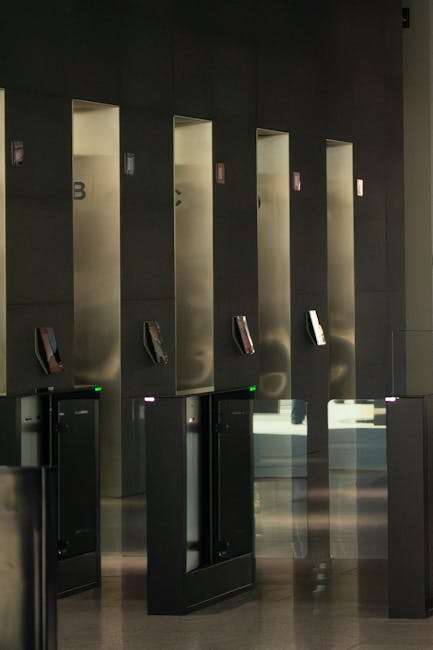
eGates / Automated Gates: Copenhagen Airport provides eGates for holders of biometric passports from EU/EEA countries and select partner nations. eGates speed up passage: insert your biometric passport, scan your face and go. eGates are usually available during the arrival and departure area opening hours (often 05:00–23:00; some eGates operate 24/7 depending on traffic). There is no fee to use the eGates.
Required documents: for most travelers a valid passport (or national ID card for EU/EEA citizens) is sufficient. Non‑nationals may need a visa:
– Check requirements with the Danish embassy or the official government website. (Note: always confirm up‑to‑date information via official embassy or government sources.)
Immigration officers may ask for: a valid passport, return/onward ticket, proof of accommodation (hotel booking with full address), sufficient funds, and the purpose of your trip.
Specific checks and refusal of entry: if security concerns or suspicions arise, an immigration officer can detain a traveler for further checks, request additional documents, or, in extreme cases, refuse entry. In cases of refusal you may be escorted back to the aircraft or held in a supervised area. Remedies include contacting your embassy and seeking legal assistance where appropriate.
Local tips for smooth processing:
– Have your documents easily accessible before you reach the desk.
– For families, keep passports together.
– If you have a long or complex name or documents in multiple languages, carry an English/Latin‑alphabet version to speed up checks.
– If in transit, check whether you must pass immigration to collect baggage or if you remain in the transit zone.
5) Post‑control services: duty‑free, currency, transfers and special assistance
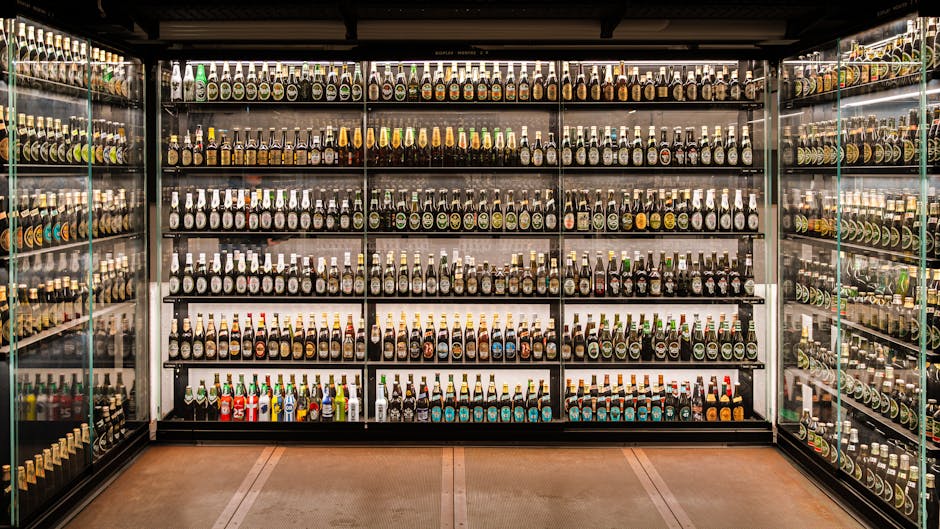
Once you’re through security and/or immigration you enter the departure lounges with duty‑free shops, cafés, waiting areas and services. CPH’s duty‑free (for example “Copenhagen Airport Duty Free, Terminal 3”) offers alcohol, fragrances, tobacco and local goods. Prices vary, but you can save on some spirits: a mid‑range bottle of whisky may cost around €35–60 in duty‑free depending on the brand. Remember duty‑free purchases must comply with your destination country’s rules on alcohol and tobacco allowances.
Currency exchange and cash withdrawals: Denmark is highly card‑friendly, but having some Danish kroner (DKK) is handy for small purchases or local transport. Exchange desks in the terminals often have less favorable rates; using an ATM is usually better. ATMs in the arrivals hall operate 24/7. Conversion fees depend on your bank — withdrawing DKK 500 (≈ €66) typically costs between €0–5 in fees depending on your card.
Connections and international transit: transfer signage is clear with “Transfer”/“Transit” directions. If your journey is on a single ticket and your bags are checked to the final destination, follow the “Transit/Connection” route. Allow at least 60–90 minutes for simple transfers on one ticket; if you’re traveling on separate tickets or need to change terminals, plan at least 2 hours.
Special assistance and passengers with reduced mobility: Copenhagen Airport offers special assistance services (help for passengers with reduced mobility, visually impaired travellers, etc.). You normally must book assistance with your airline at least 48 hours before travel. Services include wheelchairs, boarding/deplaning help and escorting between connections. Assistance desks are available in arrival halls, and Meet & Assist services for a personalised welcome can be arranged for a fee (prices on request, commonly around €50–150 depending on level of service).
Food and lounges: CPH has a range of cafés and restaurants from international chains to local concepts like Lagkagehuset (a bakery) in the public area. Airport lounges (SAS Lounge, Aspire Lounge) may be accessed via membership, business class or paid entry. Pay‑to‑enter lounge access typically costs around DKK 125–250 (≈ €17–33) depending on time and lounge. Opening times vary seasonally; most open early (05:00–06:00) and close after the last long‑haul departures (often between 21:00–23:00).
Conclusion — Final practical tips and a quick checklist before leaving CPH
Passing through Copenhagen Airport, Kastrup (Copenhagen Airport, Lufthavnsboulevarden 6, 2770 Kastrup) is usually straightforward if you’re prepared. Key takeaways: arrive with enough time (1–1.5 hours for Schengen, 2–3 hours for non‑Schengen), check whether your bags are checked through to your final destination, keep identity documents within easy reach, and use self‑service check‑in kiosks when possible. To speed up security, separate your electronics and liquids before you reach the screening area and consider purchasing Fast Track if traveling during peak periods.
For immigration, know whether your flight is Schengen or non‑Schengen: eGates can dramatically shorten queues if you hold a valid biometric passport. If you encounter immigration issues, stay calm and cooperate with officers; keep your embassy’s contact details handy. If you need special assistance, book it with your airline at least 48 hours ahead to ensure the necessary support.
Budget and currency: although Denmark uses the Danish krone (DKK), this guide lists prices in euros (€) for easy comparison (1 € ≈ 7.50 DKK as an indication). Actual rates may vary; check exact prices for parking, lounges and Fast Track on Copenhagen Airport’s official site or with your airline. Keep a small amount of DKK for taxis, cloakrooms and small shops.
Finally, enjoy the airport: Copenhagen is clean, well signed and modern, with efficient self‑service kiosks, eGates and well‑kept lounges. If you have time, browse shops featuring Danish design, local products and Scandinavian food. Cafés like Lagkagehuset and local outlets give you a taste of Danish cuisine before you even reach the city.
Quick checklist before leaving CPH:
– Passport / ID card accessible and valid.
– Boarding pass printed or on your device and ready.
– Hand luggage complies with size rules and liquid restrictions.
– Prescriptions for medicines or special liquids.
– Some DKK for small purchases/taxi.
– Digital backups of travel documents saved.
Following these steps will help you pass through CPH calmly and start your time in Denmark stress‑free. Have a great trip and enjoy your time at Copenhagen Airport!