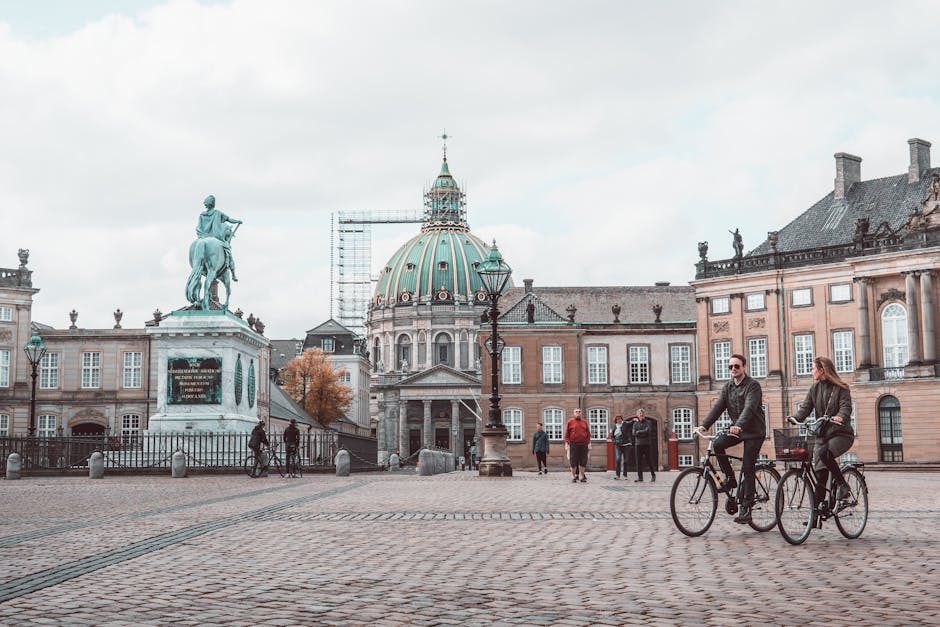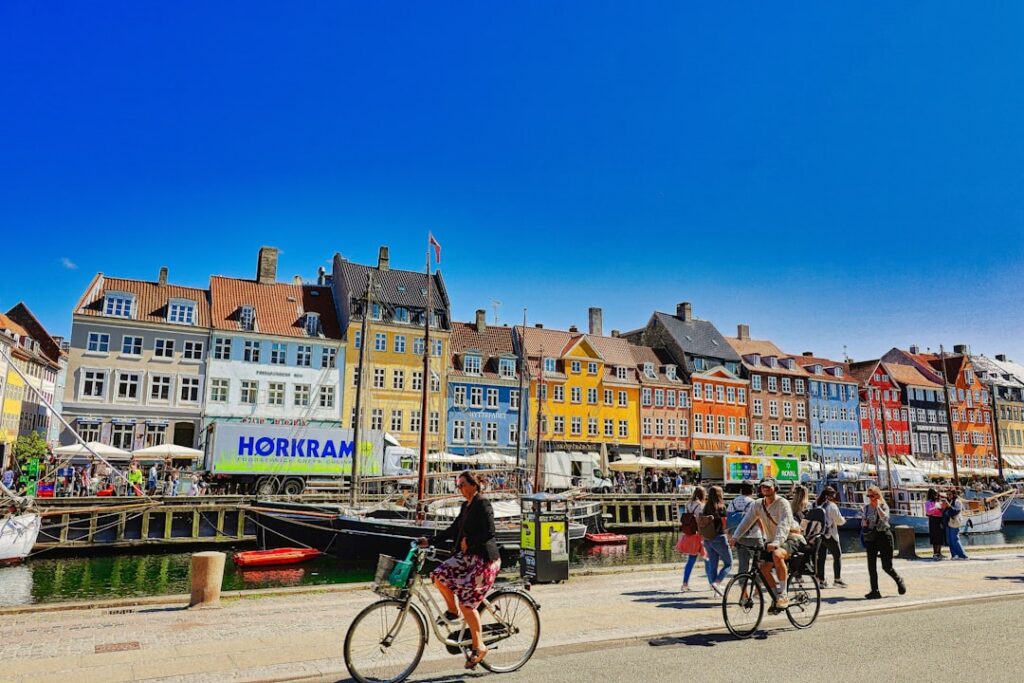





Introduction — Cycling as the Backbone of Copenhagen’s Identity
Copenhagen is more than a Nordic capital; it’s a city whose urban DNA is built for bikes. Around every corner and over every bridge, bicycles turn city life into a continuous choreography where locals and visitors weave together in a smooth flow. To understand why cycling is central to Copenhagen’s identity, you need to look past mere transport: you’re seeing a culture, public policy, a local economy and a way of life shaped around a daily habit. This deep bond between the city and its bikes shows up in the infrastructure, the laws, the businesses, social behavior and even city planning.
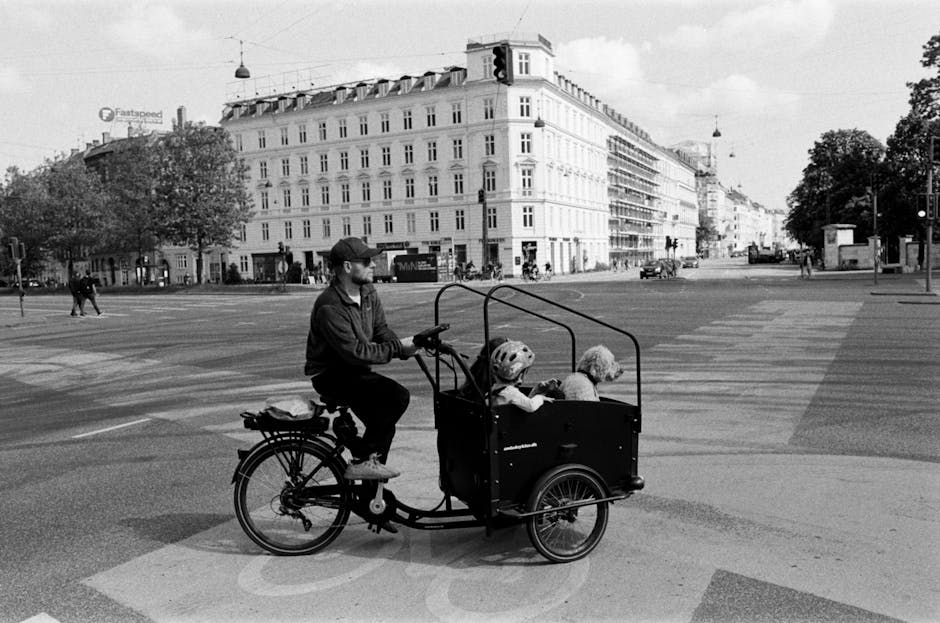
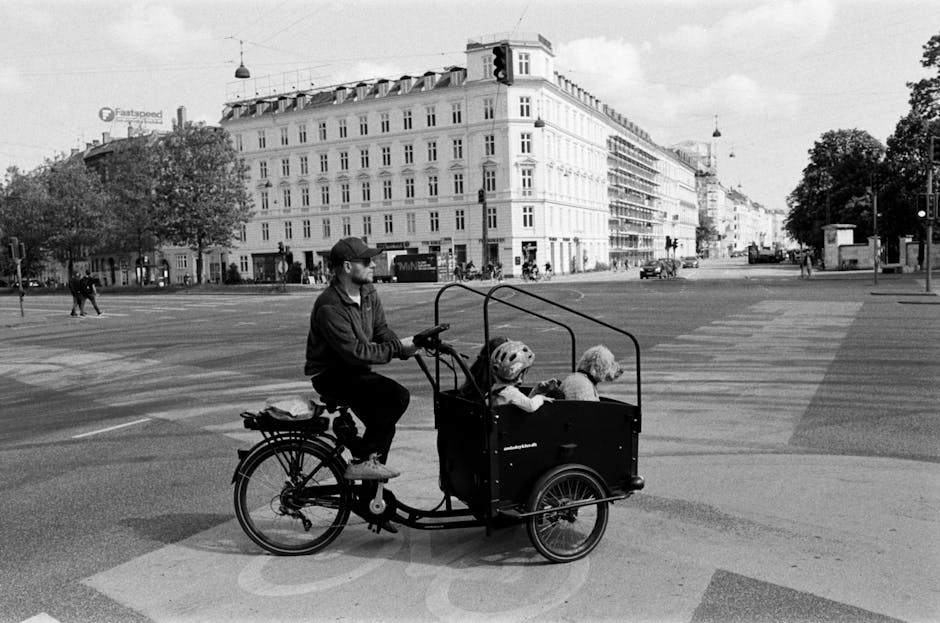
Historically, Copenhagen’s widespread cycling culture stems from deliberate municipal choices made from the 1970s through the 1990s: reducing cars, reclaiming public space, improving air quality and promoting public health. The results are visible: over 60% of residents cycle for daily trips in the summer months (municipal figures vary by season). Cycling isn’t reserved for athletic elites; it’s accessible, shared and used by kids, seniors, busy professionals, couriers and families. Cargo bikes, child seats, trailers and dog racks illustrate how practical adaptations meet everyday needs.
On the urban level, prioritizing bikes means wide, continuous bike lanes, reconfigured intersections, cyclist-specific traffic lights, « green wave » timings for bikes, and secure parking. Signature projects like the elevated Cykelslangen (The Bicycle Snake), the Cykelsuperstier (super cycle routes) and the Nørrebrogade cycling promenade demonstrate a systemic ambition: to make cycling the most natural way to get around town.
For visitors, understanding Copenhagen’s cycling scene also means practical know-how: where to rent a bike, how much it costs, which rules to follow, where to park without risking removal, how to navigate rush hour and which routes are best for exploring safely. This practical, professional guide gives a comprehensive overview — exact addresses, prices in euros, opening hours, immersive descriptions and local tips — to help you experience the bicycle as a central part of Copenhagen life.
Throughout this article you’ll find concrete reference points: precise addresses like Rådhuspladsen 1 (City Hall), Kalvebod Brygge (location of the Cykelslangen), Frederiksborggade 21 (Torvehallerne), Mimersgade 40 (Superkilen) or Nyhavn 1-71, to help you locate infrastructure, cycling hubs and service points. You’ll also find rental pricing examples — for instance, shared systems like Bycyklen (electric city bikes) and Donkey Republic (app-based rentals) with price ranges in euros and opening indications where relevant.
Finally, beyond figures and addresses, this guide offers a sensory immersion: picture misty mornings where the clink of spokes mixes with the distant call of buses, or summer evenings bathed in orange light and an unbroken stream of cyclists. You’ll see why, for many residents, being a Copenhagener means, above all, being a cyclist.
1) Infrastructure and Design: How the City Puts Bikes First in Public Space
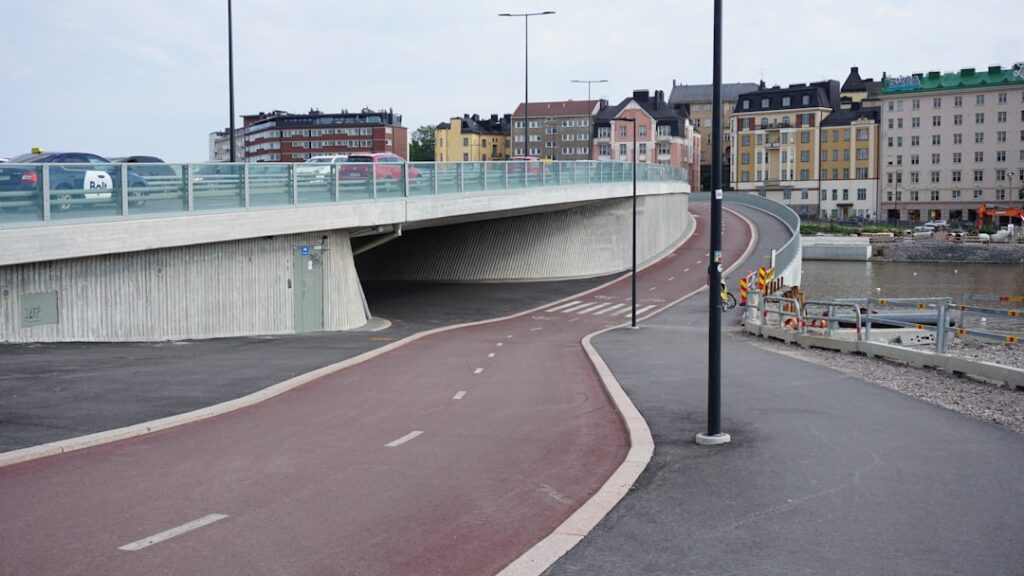
Copenhagen’s cycling success rests first on systematic planning. Bike lanes are wide, separated and continuous: they don’t just stop at an intersection but continue with protected islands, clear signage and distinct markings. Take Nørrebrogade, one of the main arteries in Nørrebro (Nørrebrogade, 2200 København N): redeveloped over recent decades, it features protected bike lanes alongside wide sidewalks and shared spaces. The result is a smooth flow of cyclists, even at peak times.
The Cykelslangen (The Bicycle Snake) is an iconic example of a visible, symbolic intervention. Located along Kalvebod Brygge near Kalvebod Brygge 10, 1560 København V (close to Vesterbro and the Fisketorvet shopping center), this elevated bike bridge bypasses a complex road junction and provides a safe, direct route to the harbour. The Cykelslangen is open 24/7 and free to use. Its sleek design and position above car traffic have made it a photographic symbol of Copenhagen’s cycling identity.
Copenhagen has also developed « cykelsuperstier » (super cycle tracks) that link suburbs to the center while minimizing stops and interruptions. These super routes typically have smooth surfacing, good lighting and priority at junctions. One example is the Supercykelstier between Albertslund and the city center, which crosses several districts and offers commuters a continuous, fast ride.
Bike parking is another key element. Copenhagen Central Station, Københavns Hovedbanegård (Bernstorffsgade 16, 1577 København V), provides multiple secure bike parking areas, including covered facilities and monitored zones. Large-capacity parking, like Nørreport Station (Nørre Voldgade 23, 1358 København K), often combines lockers and locking systems to deter theft.
Finally, signage and traffic management play a crucial role. Cycle lights are sometimes programmed differently to optimize bike flow (longer green phases for higher throughput), and signs in both English and Danish help tourists navigate. The outcome: journeys that are stressful in many other cities become smooth, fast and pleasant in Copenhagen, directly contributing to cycling as a core urban identity.
2) Public Policy, Planning and Environmental Goals
Copenhagen’s public policies have never treated cycling as just another transport mode: they embedded it in a broader vision of a sustainable city. The municipality set ambitious carbon-neutrality and quality-of-life goals, and cycling is a major lever to reach them. Annual investments in bike infrastructure, support for local initiatives and cross-departmental planning (urban planning, mobility, environment) turned ambitions into measurable results.
Policy tools include dedicated budgets for cycle tracks, grants for secure bike parking and regulations that require bike facilities in new developments. For example, new residential zones and office complexes must allocate a quota of bike parking per lot, reducing car dependence. Public-space interventions prioritize cyclist safety, with specific measures for trouble spots (dangerous junctions) and road-safety education campaigns.
At the operational level, the city promotes shared mobility. Public bike schemes (Bycyklen) and rental startups like Donkey Republic are supported through local agreements that ease the setup of stations and pickup/drop-off areas. Bycyklen, Copenhagen’s electric shared-bike system, is operated by TIER/Bycyklen; fares vary by subscription: roughly €0.35 per 15 minutes for pay-as-you-go, with day passes around €6–€12. Donkey Republic offers day rentals between €8 and €18 depending on the model and season (indicative prices subject to change).
These policies come with a public narrative that celebrates cycling: promotional campaigns, cycling events (parades, car-free days) and partnerships with schools to encourage kids to ride. Shopping districts like Strøget and Frederiksberggade sometimes stagger delivery hours to reduce conflicts between shops, pedestrians and cyclists. The overall impact is measurable: less car traffic, cleaner air and reduced pollution-related mortality. For residents, cycling has become a daily expression of a city oriented toward the future and collective well-being.

3) Cycling Culture: Habits, Style and Social Life
In Copenhagen, bikes are more than equipment; they’re a social and cultural marker. People here don’t necessarily wear flashy sports gear to get around: cycling is part of daily life and paired with remarkably normal dress. You’ll see suits, dresses, city shoes, pushchairs and supermarket hauls all on cargo bikes. « Cykling » is an intergenerational activity: schoolkids, teens, workers and retirees all share the same infrastructure.
The variety of bikes is striking: classic Dutch-style bikes, e-bikes, cargo bikes (local brands like Babboe or Christiania Bikes), folding bikes and custom utility bikes for traders. Cargo bikes, in particular, have become symbolic: families drop kids at school, shops deliver goods and cafés move furniture using these sturdy machines. Christiania Bikes, emblematic of the alternative Freetown Christiania neighborhood (main entrance: Prinsessegade 1, 1422 København K), also reflects a local tradition of customization and communal use.
Social life around bikes shows up in collective practices: urban cycling groups, community repair workshops (for example the « Cykelsmeden » or other local bike workshops often found in neighborhoods like Nørrebro), and events like the local Critical Mass or night rides. These meetups strengthen a shared cycling identity. Businesses adapt too: cafés and restaurants install bike racks outside their doors; some even offer cyclist-friendly services (pump, repair kit).
For visitors, a few etiquette rules help: keep to the right, signal turns with your arm, obey lights and avoid walking on bike lanes. Local cyclists may be in a hurry but are generally courteous: give way to pedestrians, wear a helmet if you prefer (helmets are not mandatory in Denmark) and avoid stopping suddenly in the middle of a lane. Embracing these habits quickly reveals that cycling is more than utility — it’s a social language that conveys civility, ecology and urban pragmatism.
4) Recommended Routes, Cycling Highlights and Practical Tips
To experience cycling in Copenhagen, nothing beats a set of routes designed to balance safety, scenery and authenticity. Here are concrete suggestions, with addresses and practical tips.
-
Classic route — Nyhavn to Christiansborg via Indre By
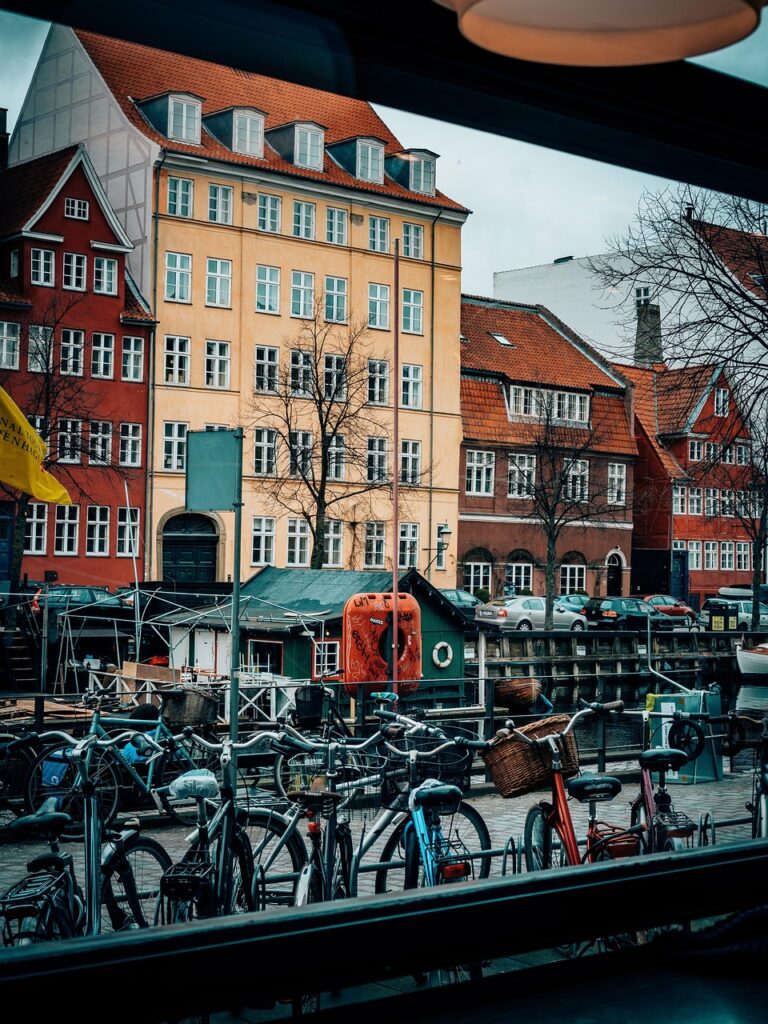
Start: Nyhavn (Nyhavn 1-71, 1051 København K). Follow the canal promenade to Kongens Nytorv, cross Strøget (the pedestrian shopping street) using marked bike circuits and head to Christiansborg (Prins Jørgens Gård 1, 1218 København K). Time: 20–30 minutes at a relaxed pace. Tip: avoid Strøget during heavy pedestrian traffic; use parallel side streets instead. -
Harbour route — Cykelslangen and Kalvebod Brygge
Start: Fisketorvet / Kalvebod Brygge 10, 1560 København V. Ride the Cykelslangen, then continue along the harbour toward Islands Brygge to enjoy green spaces and summer swimming spots. Time: 30–45 minutes. Tip: the Cykelslangen is open 24/7; be mindful of sea breezes. -
Green route — Superkilen and Nørrebro
Start: Superkilen, Mimersgade 2400, 2200 København N. Cross Nørrebro, pass Assistens Kirkegård (Kapelvej 4, 2200 København N) and reach Dronning Louises Bro (bridge near Nørrebrogade). Time: 30–50 minutes. Tip: explore local markets and stop at Torvehallerne (Frederiksborggade 21, 1360 København K) for a snack. -
Family route — Christianshavn and Freetown Christiania
Start: Christianshavn near Christiania (Prinsessegade 1, 1422 København K). Enjoy calm rides along the canals, sailing schools and cozy cafés. Christiania is open all day (free access) but respect local rules. Time: 45–60 minutes. Tip: avoid photographing certain areas to respect the community.
For rentals, practical options include: Donkey Republic (book via mobile app, many pickup points across the city; indicative rates €8–€18/day), Bycyklen (electric shared bikes via app and stations; indicative fare €0.35/15 minutes or day passes €6–€12) and traditional rental shops like Copenhagen Bicycles (approximate address: Studiestræde 15, 1455 København K — check before you go). Prices vary by season, model and duration.
Some practical tips: always check brakes and lights (required at night), carry a front and rear light if needed (fines for unlit bikes may apply), lock your bike with a sturdy lock (U-lock recommended) and use official bike parking to avoid removal. Also check local rules for cargo bike parking — some spaces require permits.
For safety, obey cyclist-specific lights and signals. In an emergency dial 112; for non-serious incidents go to the local police station (Københavns Politi — Polititorvet 14, 1780 København V) to file a report. If you’re traveling with children, use certified seats and choose routes with the most protection (Superkilen, green corridors, separated lanes).
Conclusion — The Bike as a Mirror of the City and Key to the Copenhagen Experience
Cycling in Copenhagen is far more than transport: it reflects a society that values health, equity, sustainability and high-quality public space. Infrastructure, policy, culture and everyday practices combine to make cycling an integrated and rewarding experience. For a visitor, hopping on a bike for a few hours or several days changes how you see the city: you gain freedom, speed in the urban core and closer contact with locals.
The figures, addresses and practical information in this guide — from the Cykelslangen on Kalvebod Brygge to Superkilen in Nørrebro, from Torvehallerne to Nyhavn — are concrete markers to help plan your trip. By choosing the bike you also contribute to a long-standing urban model that took decades to build. Rental services like Bycyklen and Donkey Republic make access simple and immediate, while parking facilities, super routes and clear signage show a city ready for cyclists.
In the long run, cycling shapes Copenhagen’s identity because it changes social relations: it reduces isolation, creates daily interactions, keeps people on the move and turns streets into living spaces. In short, pedaling in Copenhagen means joining a shared civic culture where every trip counts toward the collective good. Whether you’re an experienced cyclist or a curious visitor, let the bicycle guide your steps — or rather your wheels — and discover a city that chose movement as its defining trait.
Final tip: plan your routes, respect local rules and embrace the city’s pace — cycling will open not just streets but stories, encounters and viewpoints that Copenhagen offers to those who take the time to pedal.