




Introduction — Valby secret : histoire ouvrière et nouveaux spots culturels
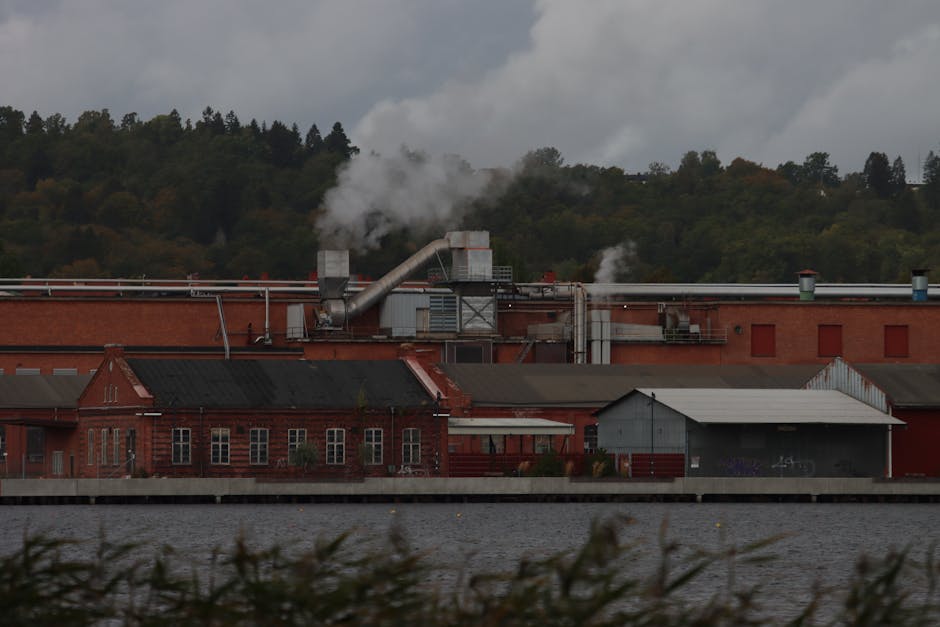
Valby, a down-to-earth neighborhood often underrated on the southwest edge of central Copenhagen, is a living snapshot of Denmark’s industrial past and its modern reinvention. Where smokestacks once marked breweries and textile workshops, today you’ll find broad parks, well-kept bike paths and cultural hubs that give the area a character that’s both working-class and refreshingly contemporary. In this guide we look at Valby as a place of working-class history — its factories, workers’ housing, unions and the physical traces that tell the daily stories of former laborers — while also exploring the new cultural spots, cafés, microbreweries, exhibition spaces and community venues that bring the neighborhood to life now.
This article is aimed at curious travelers, lovers of industrial architecture, families hunting green spaces and anyone keen on local culture. It offers an immersive read: exact addresses, opening hours, entry prices in euros, detailed place descriptions and practical local tips for enjoying Valby off the beaten path. The goal is twofold: to honor the neighborhood’s working-class memory — social housing, cooperatives, workshops — and to show how that past is being repurposed today. Expect walks through parks framed by old industrial halls, visits to redeveloped brownfields turned creative venues, and culinary finds rooted in everyday Valby life.
Valby’s charm also comes from its contrasts. Quiet residential avenues sit alongside blocks of rehabilitated workshops where art galleries, design studios, artisan bakeries and shady cafés now thrive. But the neighborhood’s soul remains deeply working-class: the often plain, functional architecture, street and building names, and local culture all reflect a community forged by manual labor and social solidarity. We’ll take time to decode these elements and lay out themed routes — walking tours, foodie stops and cultural visits — so you can understand Valby from the inside.
Finally, this guide doesn’t just list addresses: it includes practical details (prices in euros, up-to-date hours, transport tips), immersive descriptions (the sound of a cobbled courtyard, the smell of fresh bread, light filtering through an old industrial hall) and local hacks — where to get the best coffee, what times to avoid, and how to combine Valby with other Copenhagen neighborhoods. Lace up your walking shoes: Valby is best discovered on foot, by entering its convivial spots and listening to the stories whispered by its renovated walls.
Valby ouvrière : promenades et lieux mémoriaux (plus de 250 mots)
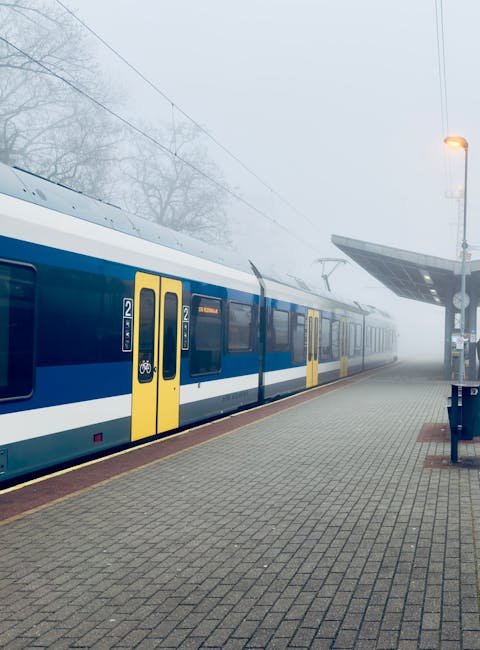
The historic working-class heart of Valby reveals itself through residential streets, former factories and the social infrastructure that once supported workers’ daily lives. Start your exploration near Valby Station, a transport hub that has linked commuters from the industrial era to the present day. Valby Station, address: Toftegårds Allé 24, 2500 Valby, Copenhagen, is a good jumping-off point where commuters, cyclists and strollers mix. The station is served by the S-train network and several bus lines: S-train lines A, C, E and H (hours: station open 05:00–01:00, frequent trains; check S-train timetables for connections). Indicative price for a trip from central Copenhagen (zone 1-2): roughly €3.50–€4.50 depending on duration and travel card.
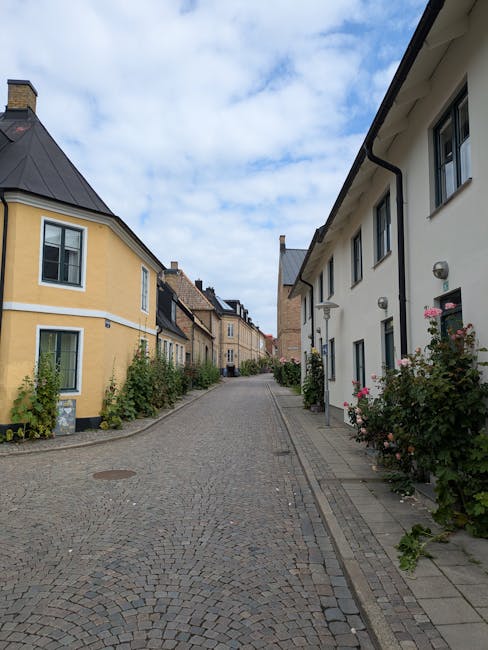
A few minutes on foot will take you into streets lined with housing built in the late 19th and early 20th centuries to accommodate brewery and workshop workers. These modest, often red-brick blocks keep a functional simplicity. Look at the façades, sash windows and small inner courtyards — all clues to an urban design meant for communal living. One notable stretch is Valby Langgade — the neighborhood’s historic thoroughfare where old shops and workshops have given way to local businesses.
Don’t miss the former heavy-industrial zone along Rødovrevej / Gl. Køge Landevej — today some industrial buildings remain as cleared, repurposed lots. These sites often feature commemorative plaques explaining the local history. For example, interpretive panels trace textile, metalworking and brewing activities that once defined Valby. The immersion deepens with small details: street signs bearing names of old unions, modest memorial sculptures and nearby allotment gardens that reflect a long tradition of working-class life.
Local tips: favor a weekday morning visit if you want to feel the authentic residential atmosphere. Late afternoons and Saturday mornings are ideal for watching neighborhood life wake up: local bakeries, small markets and corner cafés get busy. Be prepared to walk: distances between historic spots are short but plentiful, so comfortable shoes are recommended. Above all, respect the calm of residential streets — some areas still feel very domestic, and local friendliness is best enjoyed with a bit of discretion.
Carlsberg Byen : transition industrielle vers district créatif
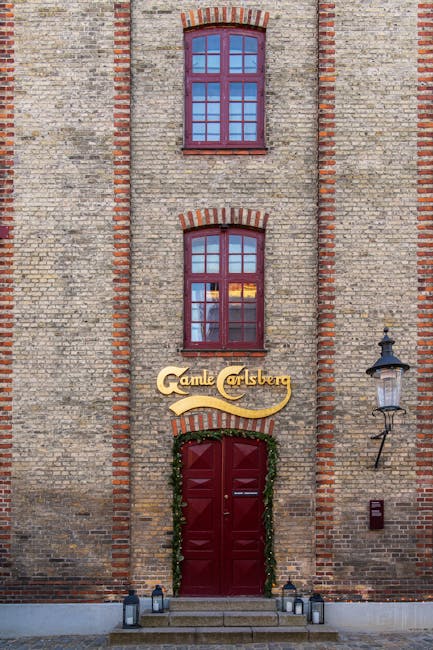
Carlsberg Byen (Carlsberg City District) is perhaps the most visible symbol of Valby’s industrial-to-creative transformation. Built on the vast former Carlsberg brewery site, the mixed-use district blends housing, offices, museums and green spaces. Main address: Gamle Carlsberg Vej 11, 1799 København V (Carlsberg Byen administrative area). The area is easily walkable from Valby Station (about 10–15 minutes) or reachable by bike via the many cycle lanes.
Among the must-sees, the Carlsberg Visitor Centre dives into brewing history, industrial architecture and the brand’s innovations. Address: Gamle Carlsberg Vej 3, 1799 København V. Indicative hours: Tuesday–Sunday 10:00–17:00 (closed Monday). Entry fee: around €12 for adults, €8 reduced; special guided tours and tastings cost extra (estimate €5–€10 for a tasting). Exhibits display archives, historic brewing equipment and panels explaining the brewery’s social role in workers’ lives.
Stroll through lanes where restored warehouses and halls mingle with contemporary new-builds. Taprooms like Tap1 and several cafés now occupy renovated halls, creating lively social pockets. For a tasty break, head to Bryggeriet Valby (microbrewery café-bar) at Ny Carlsberg Vej 5, 1799 København V — a pint usually runs around €6–€8. The courtyards in Carlsberg Byen are especially pleasant on sunny days.
Carlsberg Byen regularly hosts cultural events: farmers’ markets, music festivals, temporary exhibitions and guided architectural walks. Check the official Carlsberg Byen website for current programming; many events are free or low-cost (€3–€10). For photographers and architecture fans, the contrast between industrial façades and modern geometry makes for striking compositions.
Local tip: arrive early on weekends to avoid crowds during festivals; many cafés open around 09:00–10:00. If you want to go deeper, you can book themed guided tours (industrial culture, sustainable architecture) through the local tourist office, with prices typically between €10 and €25 depending on duration.
Espaces verts et détente : Valbyparken et jardins ouvriers
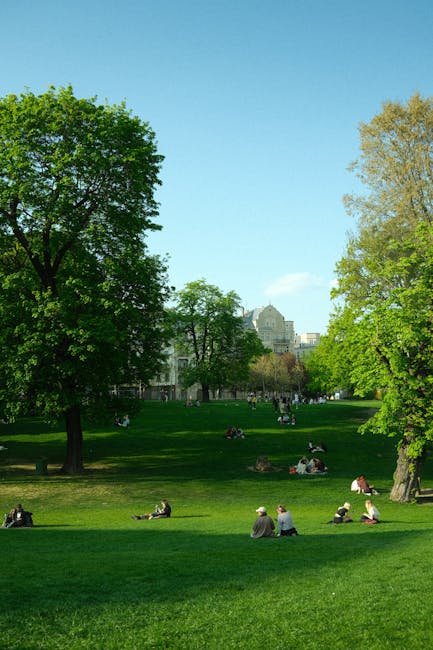
Valby offers welcome breathing room with its parks and green areas, the most iconic being Valbyparken (Valby Park). Address: Valbyparken, Roskildevej 32, 2500 Valby. This large public park is a favorite for families, joggers and picnickers. Hours: the park is open 24/7; however, some facilities (public toilets, park café) follow seasonal hours — typically 08:00–20:00 in summer, reduced in winter. Entry is free.
Valbyparken stands out for its main lawn, children’s play areas, bike paths and flower beds planted by season. In summer it’s also a venue for outdoor festivals — free concerts, open-air film screenings and local markets. The park also preserves traces of the working-class past: allotments (kolonihaver) nearby that give insight into how workers used to cultivate plots to supplement household food.
Near the park, discover the Valby Kolonihaver (allotment gardens). Although the private plots are not open to the public without permission, you can walk along the outer paths to admire the little colorful sheds, tidy plots and the strong sense of community. These gardens often include interpretive signs explaining the importance of allotment culture in Danish society.
If you want an outdoor coffee stop, try Café Valbyparken (address: Valby Langgade 150, 2500 Valby) — a friendly spot close to the main park entrance. Hours: 08:00–18:00 (Tuesday–Sunday). Prices: cappuccino from €3.50, sandwiches and pastries €4–€9. Locals recommend sampling Danish pastries (wienerbrød) and packing a thermos for a picnic at sunset.
Local tips: bring a blanket for a park picnic; Valbyparken’s lawns are perfect for unwinding after a morning of sightseeing. Families should check playground hours and consider a stop at the park café for refreshments. In summer, arrive early to secure a peaceful spot — afternoons, especially Sundays, can get busy.
Scènes culturelles émergentes : galeries, studios et microbrasseries
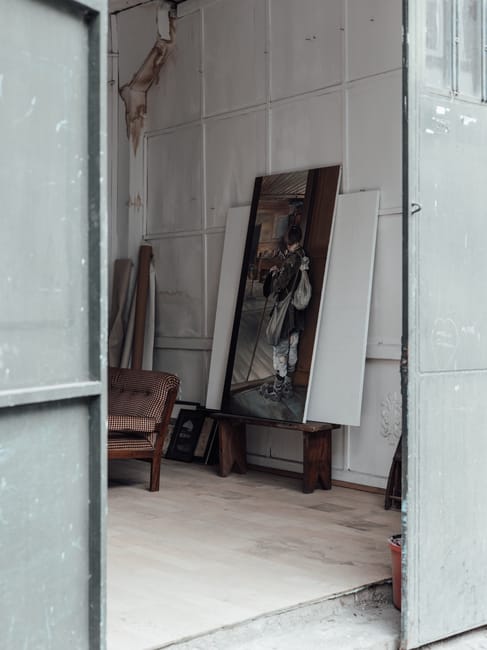
Beyond large projects like Carlsberg Byen, Valby is fertile ground for small cultural initiatives — independent galleries, artist studios, microbreweries and neighborhood theatres. These venues, often housed in converted workshops or warehouses, provide a dynamic, accessible local scene. A recommended stop is Valby Kulturhus (Valby Cultural Centre): address: Valby Langgade 1, 2500 Valby. Hours: typically 09:00–17:00 on weekdays, with evening and weekend events per the schedule. Prices: most exhibitions are free, while performances and concerts range from about €8 to €25.
Valby also hosts several small galleries and collective exhibition spaces. For example, Kunsthal Valby (a local contemporary art space) organizes rotating shows focused on urbanism, working-class memory and everyday life. Indicative address: Rådhusvej 25, 2500 Valby (check the exact location per exhibition). Hours and prices: exhibitions are often free; some talks and workshops are paid (€5–€15).
On the food and brewing front, Valby’s microbrewery scene is growing. Bryggeriet Indre By (a microbrewery taproom) offers craft beers brewed on-site — address: Ny Carlsberg Vej 9, 1799 København V (Carlsberg Byen area). Hours: 12:00–22:00 (weekend hours may vary for events). Price: pint €6–€9. These microbreweries often run casual brewery tours, tasting nights and artist collaborations.
Neighborhood theatre and small performance venues are another strong point: they stage local plays, indie concerts and family events. Teater Valby (local theatre) presents family-oriented and experimental programming (address: Valby Langgade 20, 2500 Valby). Hours: evenings as scheduled; tickets €8–€20. Residents value the proximity of these venues, which strengthen community ties and encourage local participation.
Local tips: to discover this scene, follow the venues on social media or check noticeboards in cafés and libraries. Many events are announced only a few days in advance. If you want to buy local art, look for open-studio days — they happen regularly and let you meet artists and purchase pieces directly.
Gastronomie et cafés de quartier : goût de Valby
Valby is more than a residential extension — it’s a neighborhood where global cuisines, artisan sandwich shops and locally minded cafés mingle. Here’s a selection of typical spots with addresses, hours and price ranges to plan your tasty breaks.
-
Bageriet Valby (Boulangerie artisanale)
Adresse : Valby Langgade 21, 2500 Valby
Horaires : 07:00–17:00 tous les jours
Prix : pains et pâtisseries 1,50–4,50 €; cafés 3–4 €.
Description : four à pain traditionnel, spécialités locales (wienerbrød, rugbrød). Ambiance familiale et files de résidents le matin. -
Café Troldehulen (Café de quartier)
Adresse : Toftegårds Allé 12, 2500 Valby
Horaires : 08:00–20:00, fermé lundi
Prix : boissons 3–5 €, plats légers 7–12 €.
Description : café cosy fréquenté par étudiants et familles, petite scène pour concerts acoustiques le week-end. -
Restaurant Valby Kro (Restaurant traditionnel)
Adresse : Gl. Køge Landevej 133, 2500 Valby
Horaires : 12:00–22:00, fermé le dimanche soir
Prix : plats principaux 12–25 €.
Description : cuisine nordique classique, portions généreuses, décor rappelant auberge ouvrière.
These spots capture Valby’s food spirit: good quality, reasonable prices and a strong community vibe. For an original culinary experience, look for small ethnic canteens along Valby Langgade — Vietnamese, Turkish and Middle Eastern kitchens sit alongside Danish specialties, reflecting the neighborhood’s social mix.
Local tips: try local sourdoughs and consider ordering smørrebrød (open-faced sandwiches) at lunch. Many places accept cards but favor contactless payments; for some tiny canteens having a few bills in cash can be handy. Also, use the quieter hours (14:00–17:00) to avoid the lunch rush.
Pratique : se déplacer, horaires, budgets et conseils locaux
Getting around Valby is straightforward: the neighborhood is well served by the S-train, buses and cycle lanes. Valby Station (Toftegårds Allé 24, 2500 Valby) is the main rail hub. It takes roughly 10–15 minutes on the S-train from Copenhagen Central Station (København H). Fares: a zone 1-2 ticket costs about €3.50–€4.50; pick up a Rejsekort or buy tickets via the DSB app for slightly better rates.
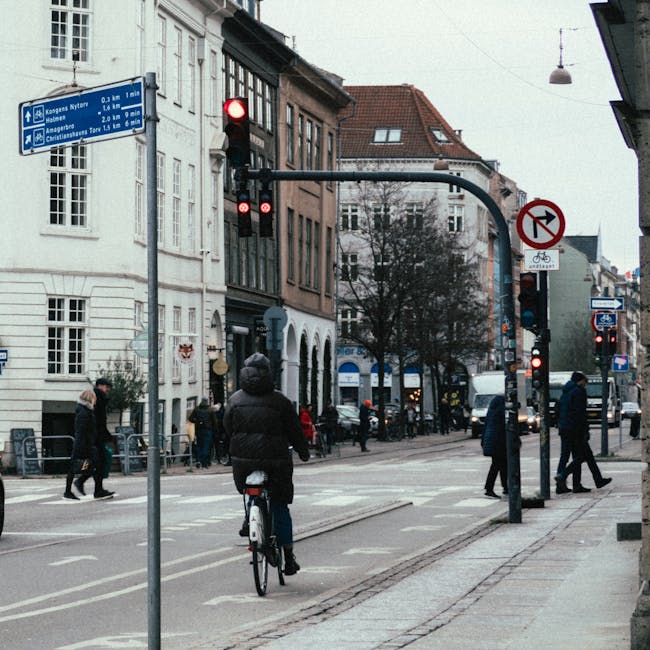
Cycling remains the most convenient way to explore Valby and nearby areas. Many bike rentals offer daily rates averaging €10–€20 depending on the model. The cycle lanes are safe and well-marked; if you’re not used to Danish bike traffic, choose off-peak times to ride more comfortably.
Indicative budget for a day in Valby: bakery breakfast €4–€6, simple lunch (sandwich + drink) €8–€12, coffee €3–€4, museum/culture entry €8–€15 if applicable. Plan around €30–€60 for a comfortable day including meals, coffees, transport and a paid visit.
General opening hours: shops usually open 09:00–17:00 on weekdays, some extend to 19:00–20:00; cafés and restaurants open earlier (08:00) and close between 22:00 and midnight depending on location. Museums and cultural centers vary: often 10:00–17:00, with many closed on Mondays.
Practical tips: grab a map or download an offline map; although Valby is central, some residential streets can be confusing. If you plan to visit private spaces (open studios, workshops), check hours in advance — many operate by appointment or open only during special events. Finally, respect residential areas and allotment gardens — photograph discreetly and ask permission before entering private property.
Conclusion — Pourquoi Valby mérite une visite prolongée
Valby is much more than a peripheral neighborhood of Copenhagen: it’s a place where working-class history is written in stone, urban planning and social practices, and where new collaborative, creative ways of living are taking shape. The old factories and breweries — especially around Carlsberg Byen — speak of an era when industrial labor structured daily life; these spaces have been transformed, often thoughtfully and respectfully, into cultural, residential and economic sites that still honor their past.
The mix of green spaces (Valbyparken), allotment gardens, artist workshops, microbreweries and neighborhood cafés gives Valby a unique atmosphere: a place where industry and leisure coexist, and where social history is celebrated without becoming frozen. Visitors will find as much to enjoy wandering quiet residential streets as at a festival in a renovated industrial hall. The neighborhood is accessible, friendly and largely free from mass tourism; it offers a more intimate, authentic Copenhagen experience.
For the curious traveler, Valby rewards slow discovery: working-class memory revealed through small plaques and street routes, emerging cultural initiatives where artists and makers meet, and a lively everyday life in local establishments. When planning your visit, take time to sample local food, see an exhibition or concert and stroll through the parks. These experiences give a deeper understanding of Danish city life: not only its modern aesthetics but also its ability to weave industrial legacies into a creative, sustainable future.
In short, Valby deserves a longer visit because it tells a full story — social, economic and cultural — and continues to evolve before our eyes. Whether you’re an amateur historian, photographer, foodie or simply looking for an authentic urban corner, Valby has treasures to offer. Take this guide, lace up your walking shoes and go meet a neighborhood where yesterday’s worker and today’s creative coexist with ease.