





Introduction — Why smørrebrød is Copenhagen’s culinary soul
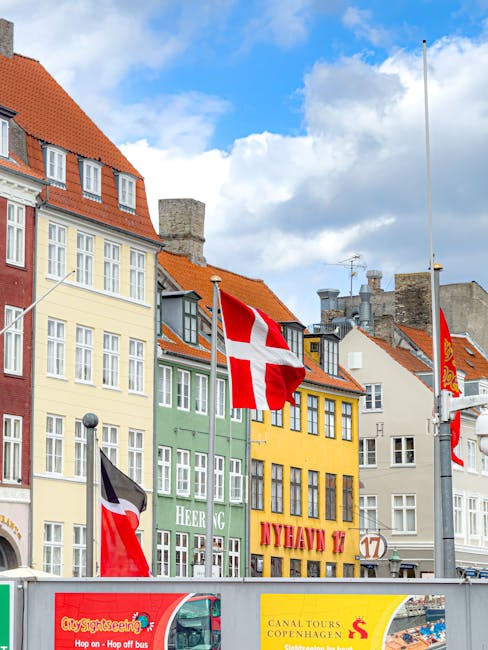
Smørrebrød is more than just an open-faced sandwich in Denmark: it’s a cultural institution, a lunchtime ritual and a carrier of culinary history. In Copenhagen, a creative, cosmopolitan capital, smørrebrød holds pride of place in historic cafés, in Michelin-caliber restaurants reinterpreting tradition and in modern food halls. Understanding smørrebrød is understanding a piece of the Danish spirit: respect for ingredients, the art of balancing textures and flavors, and the knack for turning a buttered slice of rye into a complete, beautiful and memorable dish.
This ultimate guide is designed for discerning visitors who want to dive into Copenhagen’s smørrebrød scene without wasting time hunting for good spots. You’ll find explanations of the basics (the bread, the butter, classic toppings), tasting tips (order of bites, typical accompaniments) and, above all, a curated list of essential addresses with exact locations, indicative prices in euros, practical opening hours and local recommendations. Whether you’re after a traditional smørrebrød at the counter of a century-old place, a modern chef’s take or a market-to-go variant, this guide will point you to authentic, well-executed experiences.
Copenhagen is also a visual city: smørrebrød presentations often rival food photography. To help you picture each place and dish, I’ve added evocative image cues to boost the immersion before you even put fork to rye. You’ll also find practical info: how to pronounce “smørrebrød”, how to order like a local, which drinks to pair (aquavit, craft beer) and the best times of day to avoid queues.
Finally, this guide doesn’t just cover touristy addresses. It includes historic institutions, lively markets and some contemporary spots that reinterpret smørrebrød using local produce and international influences. Prices are estimates in euros so you can plan your budget: generally, a smørrebrød in Copenhagen costs between €6 and €20 depending on location and complexity, and a typical lunch (sandwich + drink) usually runs around €15–30.
The foundations of smørrebrød: bread, butter and topping techniques
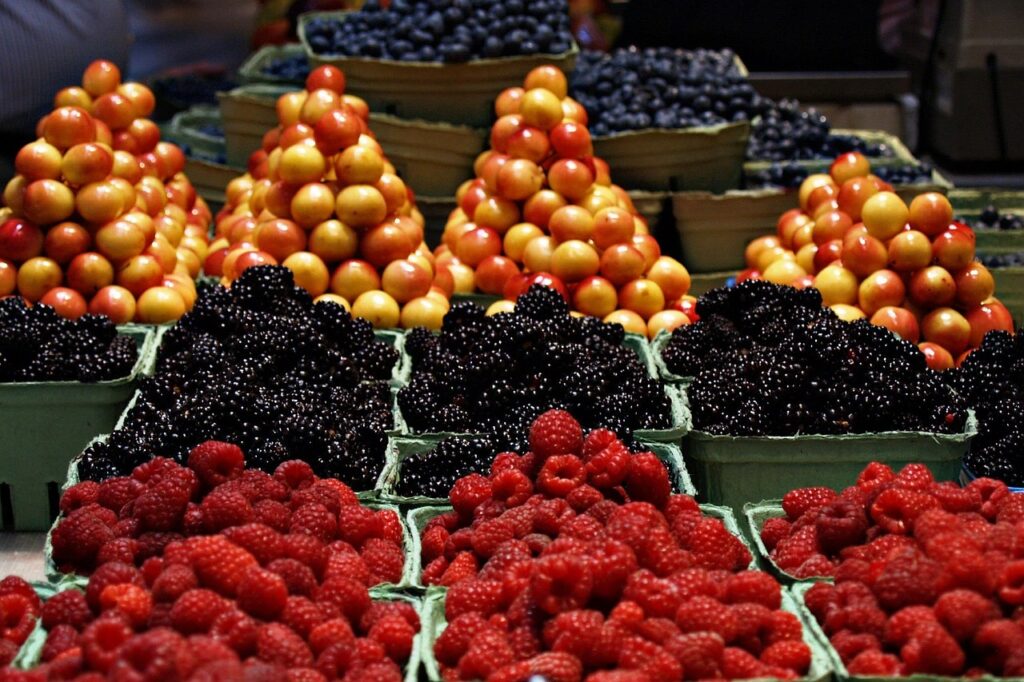
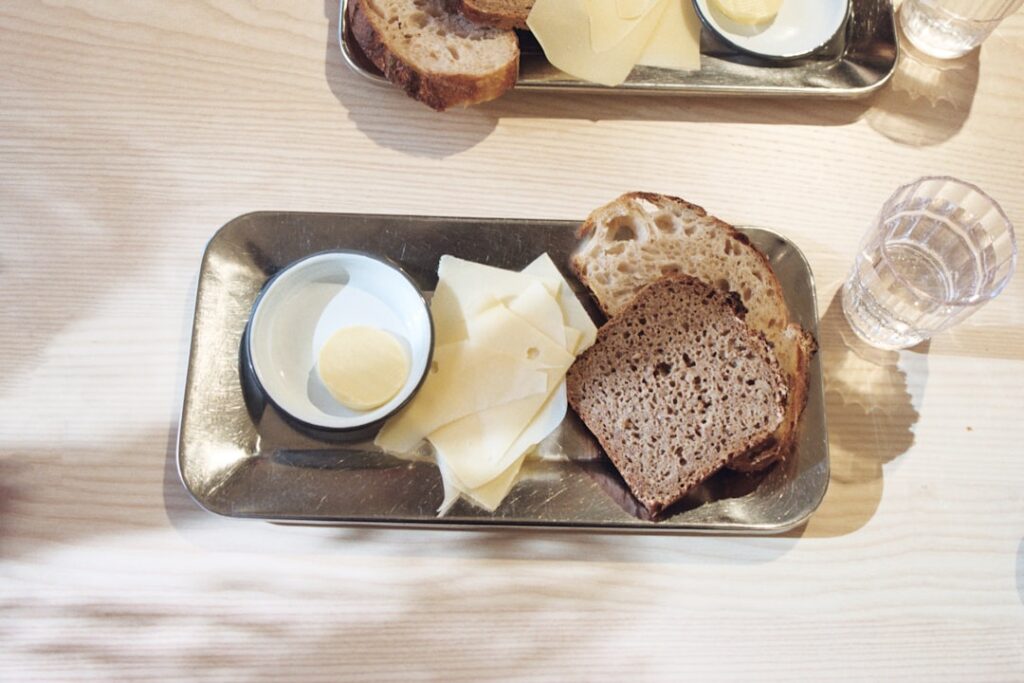
Before diving into addresses, it’s essential to master the basics: rye bread (« rugbrød ») and butter. Rugbrød is dense, high in fiber and often slightly sweet. Traditionally, the bread is generously spread with unsalted butter to prevent moist toppings from soaking through. To enjoy smørrebrød like a Dane, check the bread quality: it should be compact, tender yet firm, with visible seeds and a tight crumb. Good butter is high-quality, ideally raw, spread in a thin but sufficient layer to form a barrier.
Assembly techniques matter too. Toppings are layered harmoniously: first a base (butter, purée, salad), then the main protein (marinated herring, roast beef, liver pâté) and finally finishing touches (onions, pickles, herbs, radish). Balancing textures (crunchy, creamy, juicy) is key. Classic combos include marinated herring with sour cream and onions; roast beef with horseradish and pickles; leverpostej (liver pâté) served warm with bacon and mushrooms. Each has its flavor logic, often regional.
Accompaniments and drinks: smørrebrød is traditionally enjoyed with a light Danish beer (Tuborg, Carlsberg) or a schnapps (akvavit). For a modern lunch, a dry white wine or a local craft beer works well. Locals often recommend ordering two different smørrebrød if you’re hungry: it’s a great way to sample more flavor combinations.
Practical tips: order at the counter when possible, say « uden mayonnaise » if you want to avoid heavy mayo, and ask for sauces on the side if you prefer to control the amount. Eat with cutlery rather than by hand to preserve the presentation; smørrebrød is meant to be savored slowly, bite by bite.
Historic, must-visit addresses (traditional and atmospheric)
1) Restaurant Schønnemann — Hauser Plads 16, 1127 København K — Price: smørrebrød €8–18 — Hours: Mon–Fri 11:00–17:00, Sat 11:00–16:00, closed Sun. Founded in 1877, Schønnemann is one of Copenhagen’s smørrebrød temples. The vibe is that of an old parlor: wood paneling, a zinc-topped counter and intimate rooms. Portions are generous and the menu lists a hundred variations, from classic marinated herring to roast beef topped with remoulade sauce. Tips: arrive early on weekdays to avoid a wait, try the house aquavit and ask staff for seasonal pairing suggestions.
2) Palægade — Palægade 8, 1261 København K — Price: smørrebrød €9–16 — Hours: Mon–Sat 11:00–22:00, Sun closed. Palægade is modern but rooted in tradition, located near Kongens Nytorv. Presentations are polished, ingredients are high quality, with options like smoked fish, shellfish and cold meats. The contemporary setting makes it perfect for an elegant lunch after a morning at the museums. Local tip: try their crab smørrebrød for a delicate maritime experience.
3) Puk — Vester Voldgade 11, 1552 København V — Price: classic dishes €10–20 — Hours: Mon–Sat 11:00–22:00, Sun closed. Puk is a versatile institution offering classic Danish dishes, including solid, authentic smørrebrød. The décor feels rustic, almost tavern-like, and it’s a good spot to soak up the local culinary atmosphere near Rådhuspladsen. Tip: order the hot leverpostej (liver pâté) with bacon for a comforting treat.
Markets and modern spots for innovative takes
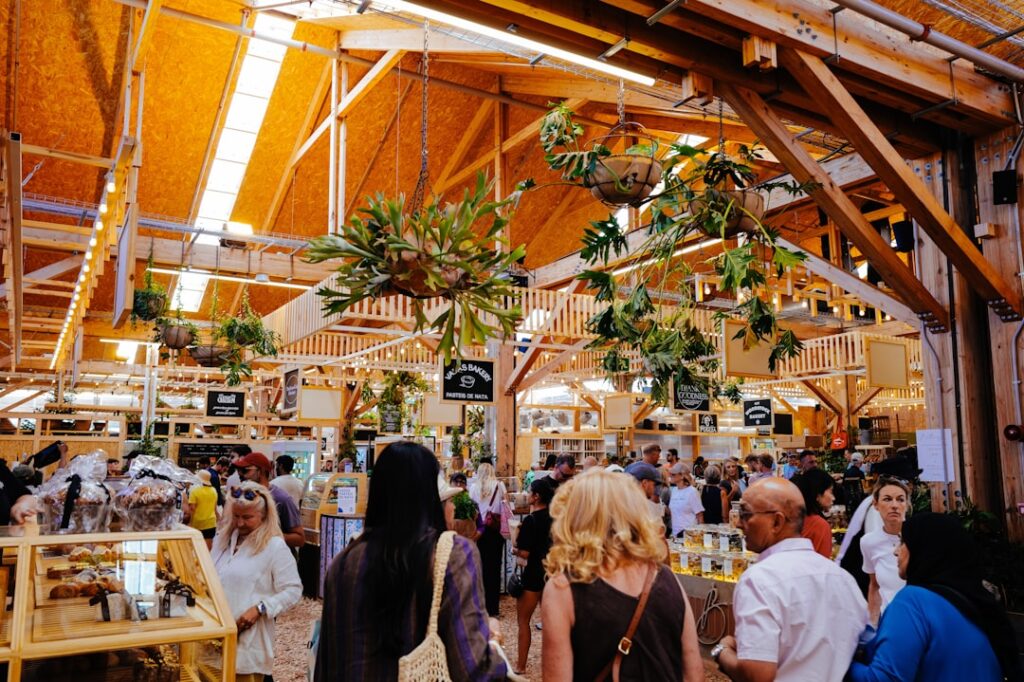
Torvehallerne Market — Frederiksborggade 21, 1360 København K — Price: smørrebrød to-go €6–12 — Hours: Mon–Thu 10:00–18:00, Fri–Sat 10:00–20:00 (hours vary by stall). Torvehallerne is Copenhagen’s most famous covered market, just steps from Nørreport. Several stalls sell smørrebrød to take away or enjoy on-site: you’ll find traditional versions, modern interpretations using organic ingredients and reinvented Nordic sandwiches. It’s perfect for a quick stop and to try several styles. Tip: pair a herring smørrebrød with a portion of pølser (Danish sausage) for an interesting contrast.
Kødbyens Mad & Marked (Meatpacking District stalls) — Flæsketorvet, 1711 København V — Price: €7–15 depending on the stall — Hours: weekends often 11:00–17:00, vendor times vary. The Meatpacking District hosts food events and stalls offering contemporary smørrebrød with international twists. Expect bold creations: seaweed-fused smørrebrød, vegetarian toasts and vegan options. The vibe is young and relaxed—perfect for fans of culinary innovation.
Market tasting tips: aim for off-peak morning hours or right when stalls open to avoid crowds. Ask to see the toppings being prepared and choose stalls using fresh bread with a visible layer of butter—that’s a sign they care about the product.
Local tips, etiquette and drink pairings
Eating smørrebrød Danish-style comes with a few simple codes that enhance the experience. First, use cutlery: smørrebrød is generally eaten with a knife and fork to preserve the presentation and avoid crumbs. Second, if you’re sharing multiple open sandwiches, start with the lighter flavors (fish, vegetables) and move to the stronger ones (meats, pâtés) so you don’t overwhelm your palate. Third, don’t hesitate to ask for a small measure of akvavit (schnapps) to accompany a traditional platter—this is a local custom, especially at celebratory meals.
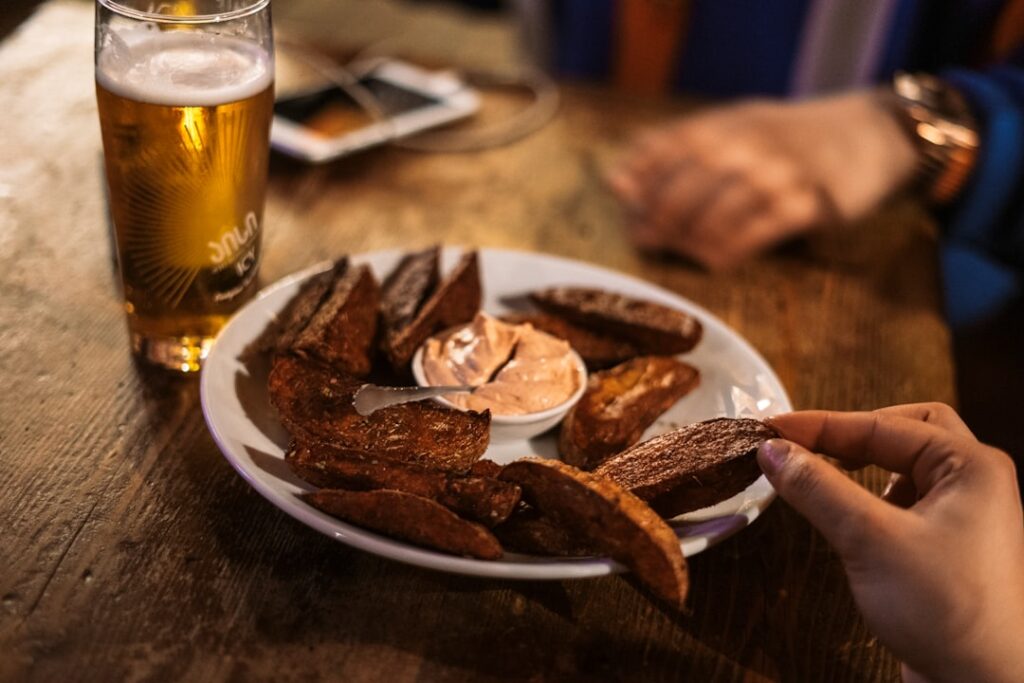
Recommended drinks: Danish lagers (Carlsberg, Tuborg) for classic versions, craft beers for modern creations, a dry white (Riesling or Sauvignon Blanc) for smoked fish and a light red for beef. For a truly traditional experience, try a shot of akvavit (around €5–10 per measure depending on the venue).
Budget tips: at markets like Torvehallerne, smørrebrød is often cheaper (€6–12). In historic or tourist-oriented restaurants, count on €10–18 per slice. For a full lunch, budget €15–30 depending on drinks and sides. Also, booking ahead for lunch at popular spots (Schønnemann, Palægade) can be wise on Friday lunchtimes and during peak tourist season.
Special experiences and options for dietary needs
Contemporary smørrebrød also caters to modern diets: vegetarians, vegans and people with gluten intolerance will find interesting alternatives. Many restaurants and market stalls offer vegetarian versions featuring hard cheeses, pickled vegetables, Scandinavian hummus and seeds. Vegan options use dairy-free bread, vegetable purées and smoked fish substitutes made from seaweed or smoked carrot.
For gluten-intolerant diners, ask for gluten-free bread—many modern venues and some Torvehallerne stalls now offer an alternative. Note: the taste and texture differ from traditional rugbrød, but it lets you stay part of the smørrebrød experience.
Special experiences: several places run workshops or tastings focused on smørrebrød, often combined with a short history of the dish and an akvavit tasting. Workshops typically last 1.5–2 hours and cost between €30 and €65 depending on the package (ingredients and drinks included). Book ahead, especially in summer.
Conclusion — Taste, understand and take the smørrebrød experience home
Smørrebrød is one of the most accessible and rewarding culinary experiences you can have in Copenhagen. Combining simplicity and craftsmanship, it brings together a palette of Nordic flavors in a preparation that’s both humble and elaborate. This guide has given you a solid base for choosing where to taste: from historic houses like Restaurant Schønnemann to the more modern Palægade, and from the stalls of Torvehallerne to the inventive stands in the Meatpacking District. Each address offers its own interpretation—and that variety is exactly what makes smørrebrød in Copenhagen so special.
Keep the practical tips in mind: start with fish, use cutlery, pair your tartine with a beer or an akvavit depending on the occasion, and share several smørrebrød to discover more. Budget around €15–30 for a full lunch if you want multiple items and a drink. For more budget-friendly options without sacrificing quality, Torvehallerne and some street stalls are excellent choices.
Finally, bring back more than photos: learn a few Danish words (smørrebrød, rugbrød, leverpostej, sild), leave with a renewed appetite to revisit culinary simplicity at home and, if possible, buy a Danish cookbook or a tin of local spices to extend the experience. The best tastings are the ones you share—so invite friends to try several smørrebrød and turn your table into a little Danish culinary journey.