





Introduction — Short Stay in Copenhagen: Immigration Rules for Visits Under 90 Days
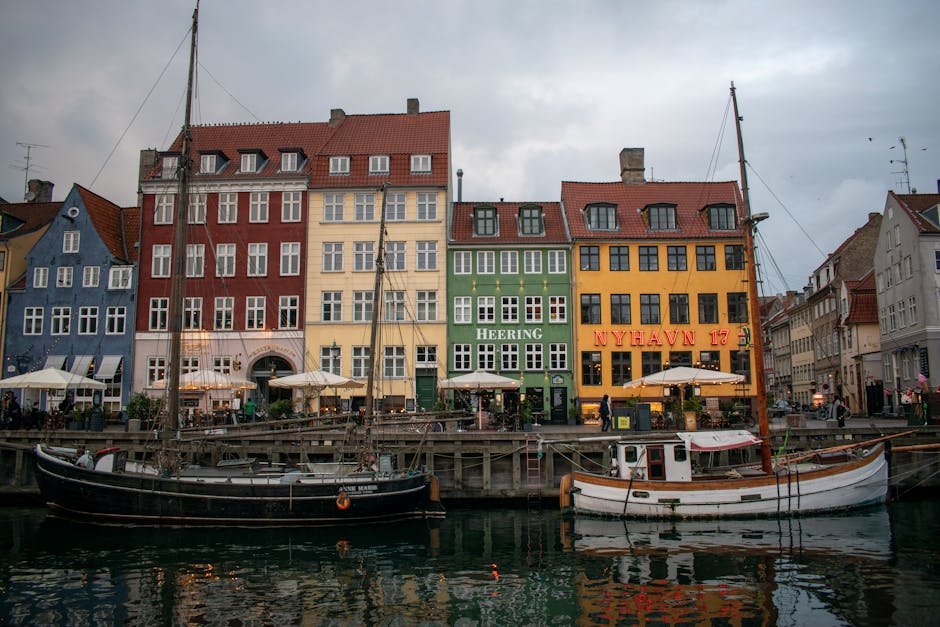
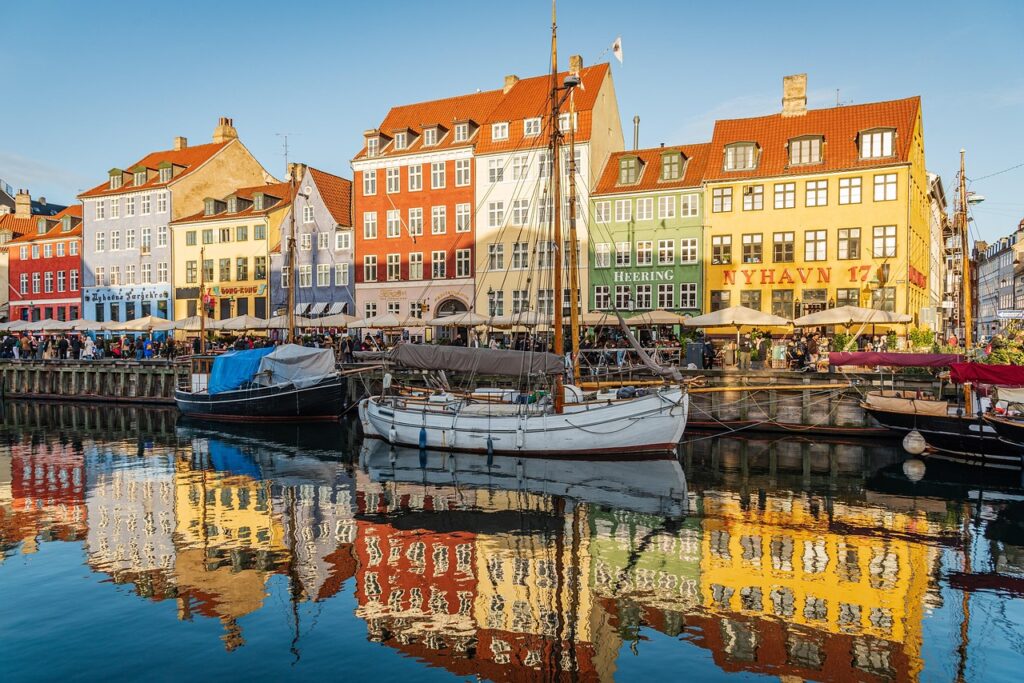
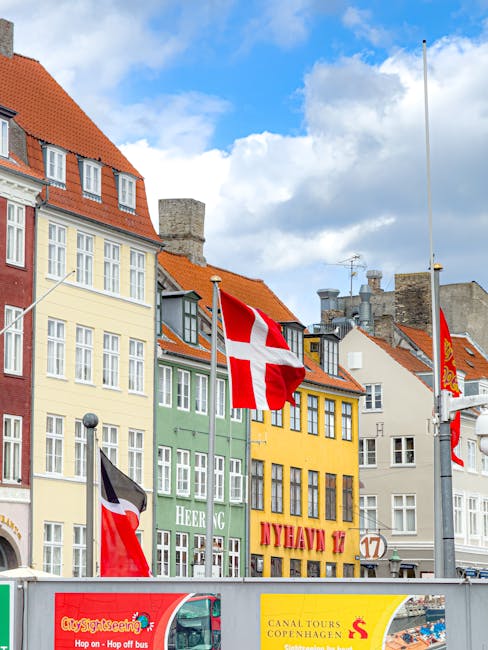
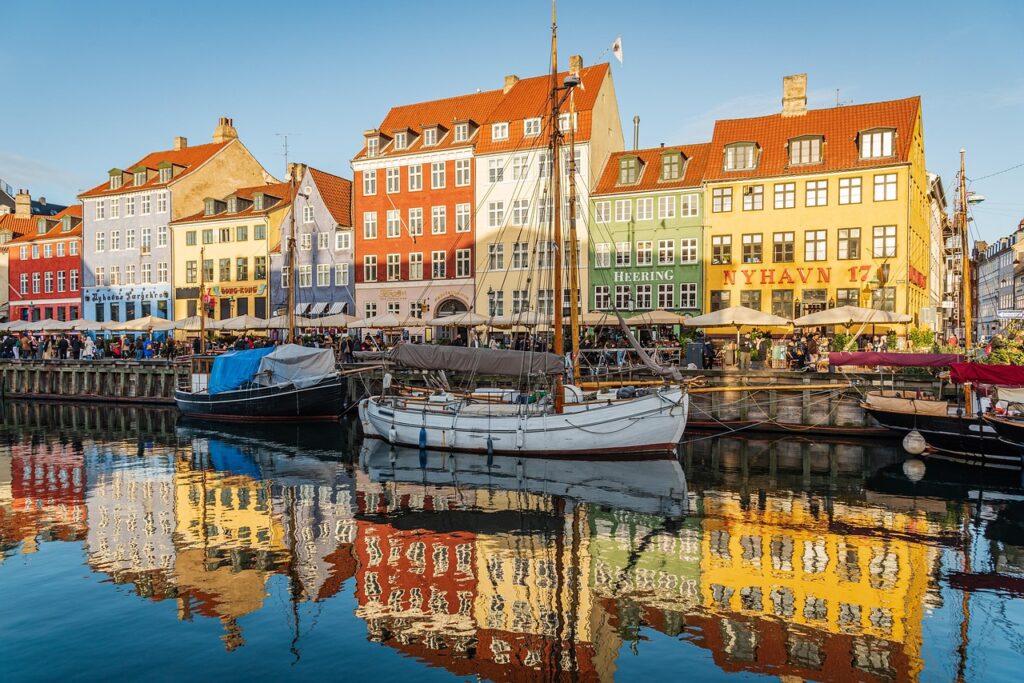
Copenhagen, Denmark’s lively capital, draws visitors year-round for short city breaks, quick business trips, and family getaways. Famous for its picture-perfect canals, the colorful houses of Nyhavn and a seamless blend of historic architecture and modern design, the city is ideal for a brief stay. But before you stroll down Strøget, explore Rosenborg Castle, or enjoy a smørrebrød by the harbor, it’s important to understand the immigration rules that apply to visits under 90 days. This guide provides a practical, up-to-date roadmap for anyone planning a short stay in Copenhagen — visa checks, required documents, travel insurance, border controls, handy tips and relevant local information.
Most travelers from the European Union, the Schengen Area or visa-exempt countries can enter Denmark for tourism or short business trips under 90 days without a visa. That said, you may still need to present supporting documents on arrival: a valid passport or ID card, proof of sufficient funds, proof of accommodation, and travel insurance covering at least EUR 30,000 for emergency medical care. Nationals of third countries who do need a visa must follow the Schengen short-stay (type C) procedure, with specific timelines and documentation. Denmark also applies its own rules for work and short studies: working without authorization is strictly prohibited, and studying beyond certain durations may require a different permit.
This guide is aimed at a wide audience: tourists, trade fair visitors, people in transit or those planning to explore the city for a few weeks. You’ll find practical addresses (airport, stations, museums), indicative times and prices in euros, immersive descriptions to prepare your visits, and local tips — for example how to avoid queues on arrival, where to buy a prepaid SIM, or how to use public transport. We also explain the consequences of overstaying, very limited options for extensions, and what to do if you encounter problems at the border: useful contacts (police, consular services) and the steps to resolve an immigration issue.
1) General entry conditions and essential documents
For stays under 90 days in Denmark (Schengen), a traveler’s civil status and nationality determine whether a visa is required. Citizens of the European Union (EU) and the European Economic Area (EEA) may enter with a national ID card or a valid passport. Nationals of visa-exempt third countries can enter with a passport valid for at least three months after the planned departure from the Schengen area, although it’s recommended to have six months’ validity remaining to avoid complications.
Documents to present on arrival (minimum recommended list):
- Passport or identity card valid (depending on nationality).
- Return ticket or proof of onward travel (train, plane). Example: return flight from Copenhagen Airport — Copenhagen Airport, Lufthavnsboulevarden 6, 2770 Kastrup.
- Proof of accommodation: hotel booking or rental agreement. Example hotel address: Hotel d’Angleterre, Kongens Nytorv 34, 1050 København K — rooms from around EUR 450 per night (indicative).
- Travel insurance covering at least EUR 30,000 for emergency medical care and repatriation — required for Schengen visa applications.
- Proof of financial means: cash, bank card, bank statements. There’s no single fixed amount required, but you should be able to prove you can support yourself (practically EUR 50–100/day is a reasonable reference).
- Invitation letters for business trips or family visits: full contact details of the organizer in Copenhagen.
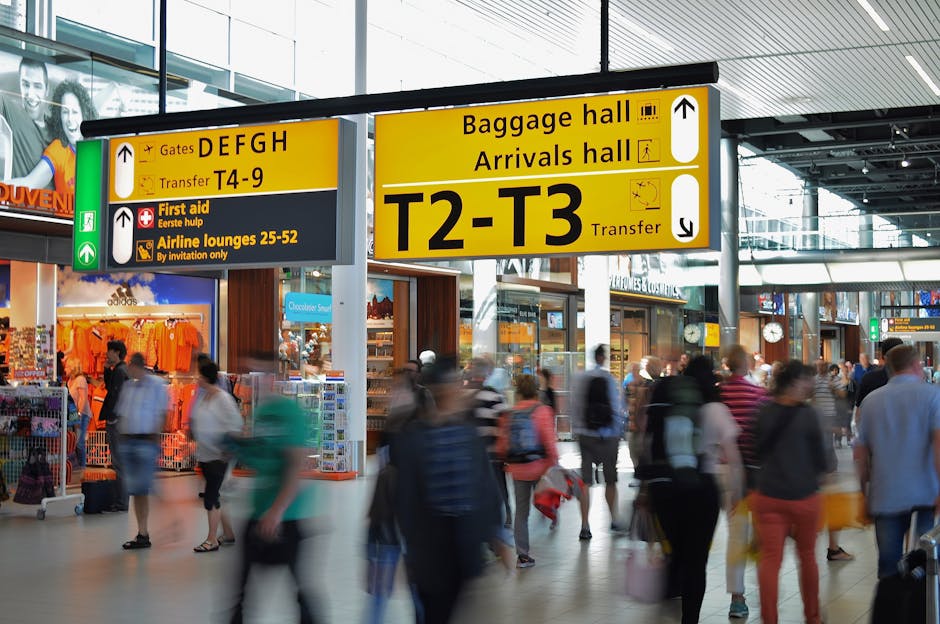
At Copenhagen Airport (Lufthavnsboulevarden 6, 2770 Kastrup), immigration checks can be random: non-EU lines are often busy between 06:00 and 10:00. Fast Track lanes are available in some cases for a fee through airport services. Practical tip: keep your documents ready and accessible (passport open, reservations printed or on your phone) to speed up the process.

2) The Schengen short-stay visa (type C): process, fees and timelines
Travelers who are not exempt must apply for a Schengen short-stay visa (type C) before entering Denmark. This visa allows stays up to 90 days within a 180-day period for tourism, family visits or business. Applications are usually submitted at the Danish embassy or consulate in the country of residence, or through an accredited visa application center.
Main steps for a Schengen visa application:
- Book an appointment at the visa center or the relevant Danish embassy.
- Fill in the application form (available online on the embassy site or the VFS Global website where applicable).
- Provide the required documents: passport (valid), recent ID photos, round-trip flight reservation, proof of accommodation (e.g. hotel: Scandic Palace Hotel, Rådhuspladsen 57, 1550 København V — nights from EUR 120), international travel insurance (minimum EUR 30,000), proof of financial means, employment or proof of resources.
- Pay the visa fee: standard rate around EUR 80 for adults (classic Schengen fee), with possible exemptions for some categories (children, students under conditions).
- Attend the biometric appointment (fingerprints, photo) if required.
Processing times: decisions are generally made within 15 calendar days, but it’s wise to apply 4–6 weeks before your planned trip, especially in high season. Longer delays can occur during peak periods or if further checks are needed.
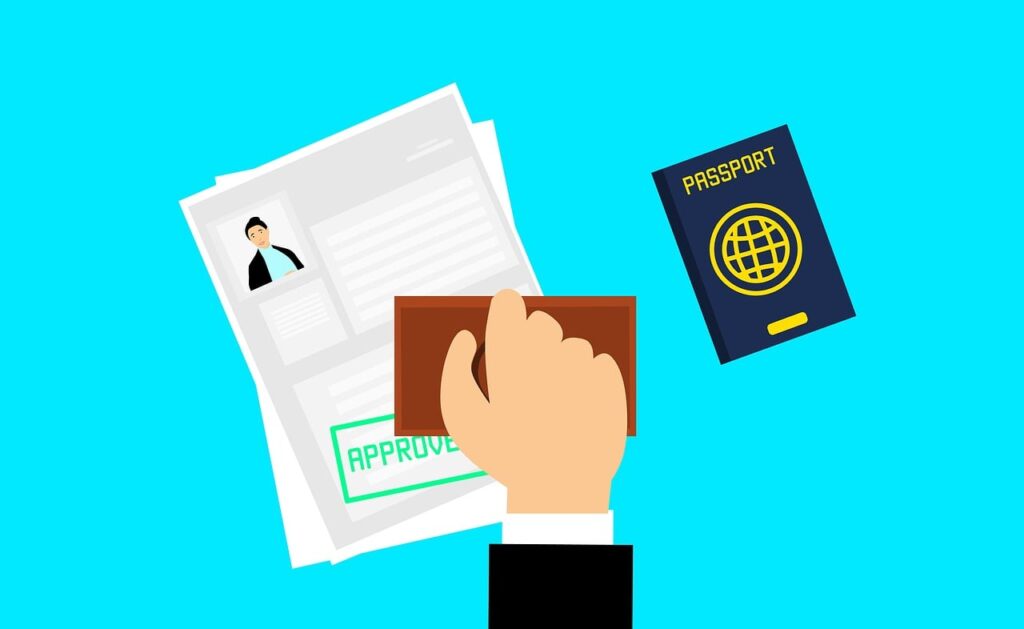
If the visa is approved, it will be affixed in the passport as a sticker indicating validity dates and the number of entries (single, double or multiple entry). Local tip: carefully check the dates and the number of entries when you receive the visa — correcting an error may require a new application.
3) On arrival in Copenhagen: checks, stamps, and expected behavior
On arrival in Denmark, border authorities may check your identity and documents. Given free movement in the Schengen Area, visa-exempt travelers aren’t always issued a stamp on arrival, but they can be asked for the documents listed above. An entry stamp may be placed in your passport, and it’s recommended to keep that stamp as proof of entry in case of later checks.
Practical points on arrival:
- If arriving by plane: Copenhagen Airport, Lufthavnsboulevarden 6, 2770 Kastrup. Direct buses (line 5C), regional trains and the metro (M2) serve the city center. The train to København H (Central Station) costs around EUR 4–6 and takes about 15 minutes.
- Security and immigration checks can be heavier during peak times. Arrive with all documents ready and remain calm and cooperative.
- Typical interaction: an officer may ask for proof of accommodation (hotel booking), outbound ticket, and insurance. Present these quickly to speed up the process.
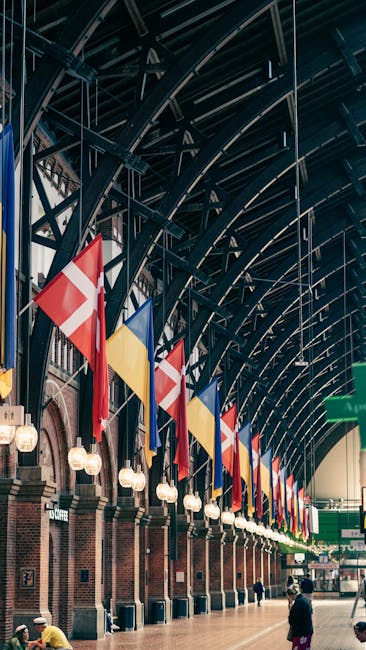
- If you run into problems: go to the local police station or contact your embassy. Useful tourist contact: Københavns Hovedbanegård (Copenhagen Central Station), Bernstorffsgade 16, 1577 København V — information point and connections.
Behaviors to avoid: giving false information, trying to hide a previous overstay or entry refusal, and planning to work during a tourist stay. Checks are often digital: a previous entry affects the remaining allowed days (90/180-day rule). Keep your entry stamp safe and keep digital copies of important documents (hotel booking, flight ticket, insurance).
4) Work, short studies and extensions: what you can (and can’t) do during 90 days
A stay under 90 days is primarily for tourism, short business activities and short-term training (brief internships, courses of a few weeks). Paid work is generally prohibited without a work permit. Working without authorization can lead to heavy penalties: fines, registration in the immigration system and a ban on returning.
Short studies: attending a private course or an intensive short course under 90 days (e.g. a design workshop or professional seminar) is usually compatible with a short-stay visa, provided the activity is non-paid and you are not employed by a Danish company. For university-level studies or courses longer than three months, you’ll need a student residence permit.
Work permits and internships: doing a paid internship may require a specific work permit. Several schemes exist depending on nationality and contract type (for example the Green Card system, fast-track schemes for highly skilled workers, etc.), but these are generally not suited to a short holiday-style visit.
Extending your stay: extensions are possible only in exceptional cases for humanitarian, medical or other extraordinary reasons and are not routinely granted to extend a tourist visit. In practice, you must contact the local immigration authority or the Udlændingestyrelsen (Danish Immigration Service) to learn about possible options. Indicative address for general inquiries: Udlændingestyrelsen, Ryesgade 3, 2100 København Ø — check current contact details on the official website before going in person.
Consequences of overstaying: if you remain beyond the permitted period, you risk expulsion, fines and problems with future visa applications or entries into the Schengen Area. If you realize you will exceed the allowed stay, contact the competent authorities (police or immigration services) immediately to regularize your situation before the legal expiry.
5) Practical on-the-ground tips: accommodation, insurance, transport and useful addresses
Accommodation: book ahead, especially in summer. A few addresses and price ranges:
- Hotel d’Angleterre, Kongens Nytorv 34, 1050 København K — luxury, indicative rates from EUR 450/night.
- Scandic Palace Hotel, Rådhuspladsen 57, 1550 København V — mid-range, around EUR 120–180/night.
- Urban House by MEININGER, Hauser Plads 3, 1127 København K — hostel and private rooms, from EUR 30 (dorm) and EUR 70 (private).
Insurance: choose an international travel insurance that covers emergency medical care and repatriation for at least EUR 30,000. Examples of international providers: Allianz Travel, AXA Assistance, IMG. Approximate cost: EUR 10–30 for short coverage of 7–14 days depending on age and options.
Transport: the city is very well served by metro, buses and trains. Indicative prices:
- Metro M2 (Copenhagen Airport → Nørreport / Kongens Nytorv): single ticket ~EUR 3–6 depending on zones. Rejsekort is convenient for frequent travelers.
- Local bus fare: around EUR 2–4 depending on duration and zones.
Useful addresses in case of trouble:
- Copenhagen Police – Emergency: 112 (emergency). For administrative questions, visit the local police station shown on the official Danish police website.
- French Embassy in Denmark (if you’re a French national): Toldbodgade 5, 1253 København K — check opening hours and consult the official site for consular services.
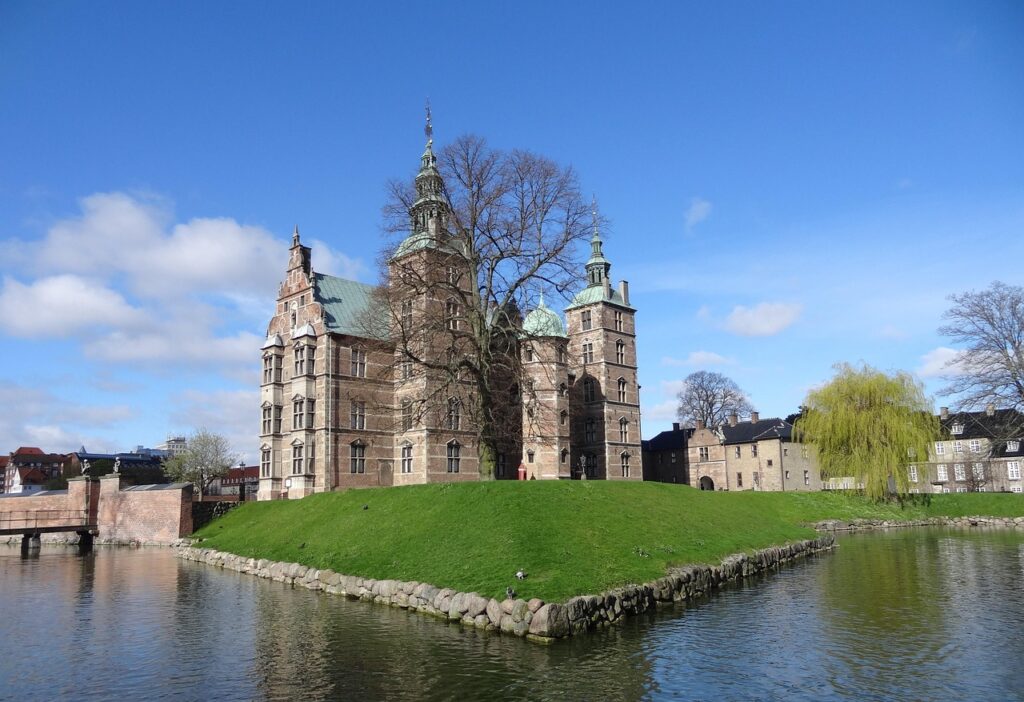
- Rosenborg Slot (Rosenborg Castle) — Øster Voldgade 4A, 1350 København K — usually open 10:00–16:00, entry ~EUR 14, a great dive into Danish royal history.
Local tips: buy a local SIM card (e.g. Lebara, at 7-Eleven or Telia stores in the city center) to stay reachable and to show digital documents if needed. Avoid leaving original documents in an unsecured place — keep scanned copies in a cloud you can access. Finally, respect local rules: Denmark enforces public order and expects transparency during identity checks.
Conclusion — Summary to calmly prepare your short stay
A stay of under 90 days in Copenhagen is accessible and usually straightforward for most travelers, but it requires careful administrative preparation. Whether you’re an EU national, from a visa-exempt country, or from a state that requires a Schengen visa, always check the specific requirements for your nationality before you travel: passport validity, insurance, proof of accommodation and means of support. Following these rules reduces the risk of entry refusal and lets you fully enjoy Copenhagen’s cultural riches — from walks in Nyhavn to the calm of Langelinie near the Little Mermaid, not to mention museums like the National Museum (Ny Vestergade 10, 1471 København K) and the charm of neighborhoods like Christianshavn.
If something unexpected happens: keep all receipts and documents, contact your embassy or consulate (address depends on your nationality), and get in touch with local authorities if needed. Don’t plan to work while on a tourist status and avoid overstaying: the consequences can jeopardize future trips to Europe. Finally, adapt to local habits — efficient transport, friendly public spaces, and a thriving food scene (try a smørrebrød in a local café!) — and keep your ID within reach if required.
Prepare your checklist: passport/ID card, return ticket, printed accommodation reservation, insurance (minimum EUR 30,000), financial means, digital copies and emergency numbers. One last practical tip: arrive at Copenhagen Airport, Lufthavnsboulevarden 6, 2770 Kastrup, at least 2 hours before intra-Europe departures and 3 hours before intercontinental flights to allow time for checks. With these elements in place, your short stay in Copenhagen should run smoothly and let you enjoy this welcoming, inspiring Scandinavian capital.