





Introduction: Copenhagen’s Nordic food scene — why start here?
In a single generation, Copenhagen has become Europe’s go-to capital for the new Nordic cuisine. It’s not just about Michelin stars; it’s a cultural movement that reimagines local ingredients, seasonality and sustainability into bold, thoughtful menus. For a newcomer, navigating the city’s food scene can feel daunting: in-demand restaurants, sometimes conceptual cuisine, and a strong blend of design, tablecraft and respect for nature. This guide aims to demystify it and offer a practical, sensible and enjoyable route for beginners.
Nordic gastronomy in Copenhagen rests on a few simple but powerful principles: ingredient freshness, strict seasonality, a preference for local produce (fish, root vegetables, wild herbs), precise techniques (smoking, fermentation, low-temperature cooking) and minimalist presentation. Chefs here don’t try to impress with quantity but with a gustatory narrative — each dish tells a story of the Danish landscape. For the visitor just starting out, that means you’ll discover a range of new textures and aromas: the subtle umami of smoked fish, the tang of house fermentations, the earthy sweetness of caramelized root vegetables, and the briny freshness of sea-harvested seaweed.
This general guide lays out a beginner-friendly route built around iconic spots, lively markets and accessible restaurants that gradually introduce you to the city’s culinary heights. You’ll find exact addresses, typical opening hours, price indications (in euros), immersive descriptions of the places and, above all, practical tips for booking, ordering and making the most of each experience. Rather than an exhaustive list, I’ve picked complementary stops: a market to learn about ingredients, neighborhood bistros for first tastings, creative yet accessible tables, and a few prestige addresses for those who want to go further.
Finally, Copenhagen’s food scene isn’t limited to starred restaurants: it lives in covered markets, food halls, microbreweries and urban initiatives like Reffen or pop-up kitchens on Refshaleøen. It’s an urban, social and sensory experience best approached slowly — with curiosity, a bit of humility and comfortable shoes. Follow this beginner route to learn how to spot Nordic signatures, make the most of your visits and leave with lasting culinary memories.
Torvehallerne and the market of flavors: your first contact with local produce
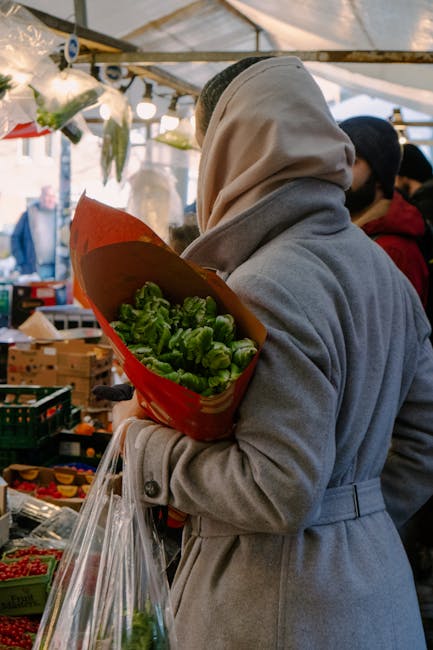
Start your initiation in the heart of the city where food is displayed, sold and told: Torvehallerne KBH, Copenhagen’s large covered market, is the perfect place to watch, taste and ask producers questions. Torvehallerne KBH is located at 21 Frederiksborggade, 1360 København K. The market is made up of two big halls and a wide outdoor area; it brings together delicatessens, bakeries, fishmongers and Nordic street food stalls.
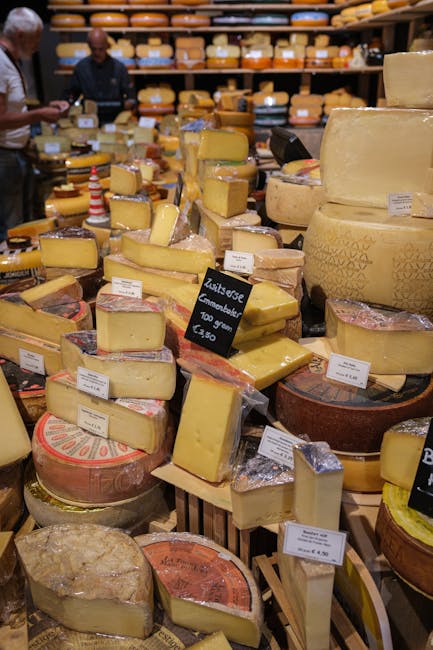
Opening hours: most stalls open Monday to Saturday from 10:00 to 18:00; some stalls and cafés open earlier (08:00) for breakfast and stay open later on Fridays and Saturdays (until 19:00). Prices: expect 3–10 € for tastings (individual smørrebrød, a small savory tart), 10–25 € for a full street-food meal, and 5–15 € for a coffee or pastry. Signature products to spot: pickled herring (sild), rye bread (rugbrød), cultured butter, smoked fish, fermented beets, and a wide range of Danish artisanal cheeses.
Local tips: come in the morning for the freshest produce and fewer crowds; ask for samples (most vendors are happy to let you taste); try a classic smørrebrød at the Hallernes Smørrebrød stall (located inside the market) or a seafood platter at Fiskerikajen. Torvehallerne is also a great place to buy local condiments (mustard, pickles, artisanal aquavit) to take home. The vibe is friendly — ideal for getting to know the textures and flavors that feed the city’s gastronomy.
Kødbyen and the bistronomic culture: bistros, seafood and the Kødbyen vibe
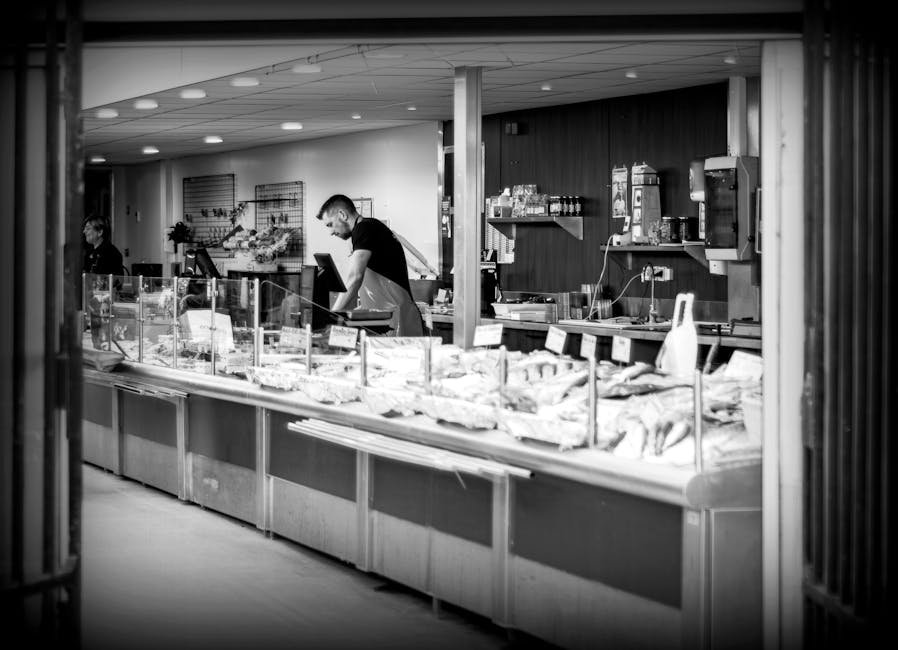
The Meatpacking District (Kødbyen) around Flæsketorvet is Copenhagen’s bistronomic lab: trendy restaurants, cocktail bars, modern fishmongers and food halls share space in renovated old slaughterhouses. A visit here shows how street food and gastronomic creativity collide. Start at Kødbyens Fiskebar, Flæsketorvet 100, 1711 København V. Opening hours: open Tuesday to Saturday 12:00–22:00; prices: individual dishes 15–35 €, seafood platters 40–70 €.
Immersive description: Kødbyens Fiskebar features an industrial-chic interior, a large counter where fish and shellfish arrive, and a short menu focused on freshness. The vibe is relaxed at lunchtime and livelier in the evenings. Nearby, Bruun & Co. (Flæsketorvet and surrounding streets) gathers small spots for pizzas, gourmet burgers and creative cocktails — perfect for an informal dinner. For vegetarian options and Nordic-inspired plant dishes, look for Hija de Sanchez (modern smørrebrød, locations vary) or one of the Reffen stands nearby.
Practical tips: book ahead for weekend dinners; arrive early to enjoy the light and the neighboring stalls; ask staff which species are local and in season — they love talking about marine terroir. Price and portioning often follow the Nordic rule: thoughtful servings designed to be shared, so order 2–3 dishes to pass around and taste more.
Creative yet accessible tables: Amass, Restaurant Radio, and neighborhood bistros
After the market and the bistronomic buzz, it’s time to visit places that sit between starred creativity and prices still approachable for beginners. Three recommended spots: Amass (Refshalevej 153, 1432 København K), Restaurant Radio (Julius Thomsens Gade 12, 1632 København V) and Manfreds (Jægersborggade 40, 2200 København N). Hours and prices: Amass offers lunch around 35–55 € (a la carte) and a tasting dinner 80–130 € (season-dependent); generally open Tuesday to Saturday 12:00–22:00. Restaurant Radio serves a seasonal menu for 45–75 € for dinner; open Tuesday to Saturday 17:30–22:00. Manfreds, more informal, offers sharing plates 8–20 € and reasonably priced wines by the glass; often open Tuesday to Sunday for lunch and dinner.
Immersive description: Amass, on the former Refshaleøen docklands, highlights its garden, upcycling and fermentation — meals are often eaten at long wooden tables surrounded by greenery. Restaurant Radio, near Forum Park, delivers season-driven cooking inspired by local producers: clean presentations, deep sauces and house-baked bread. Manfreds is an excellent entry point into relaxed Nordic cooking — imagine rustic plates, fermented vegetables and natural wines.
Local tips: for Amass, opt for lunch if you’re budget-conscious; at Radio, take the tasting menu for a broad overview. At Manfreds, get there early or be ready to wait at the counter. Bring a light jacket: even if interiors are cozy, some waterfront rooms can be chilly. Finally, always ask where ingredients come from — chefs love to share the stories of partner farms and fisheries.
Reffen and Refshaleøen: sustainable street food and outdoor creativity
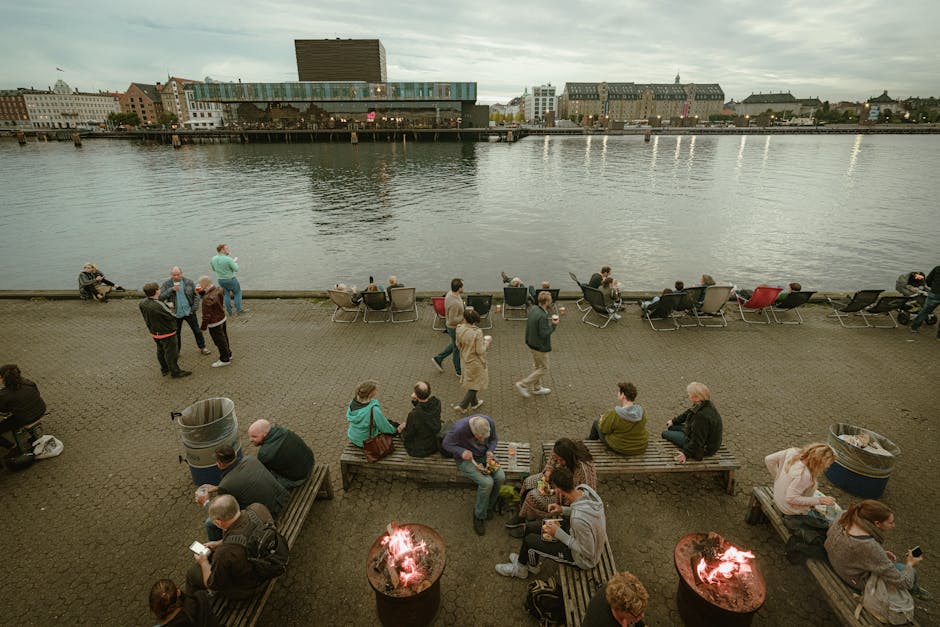
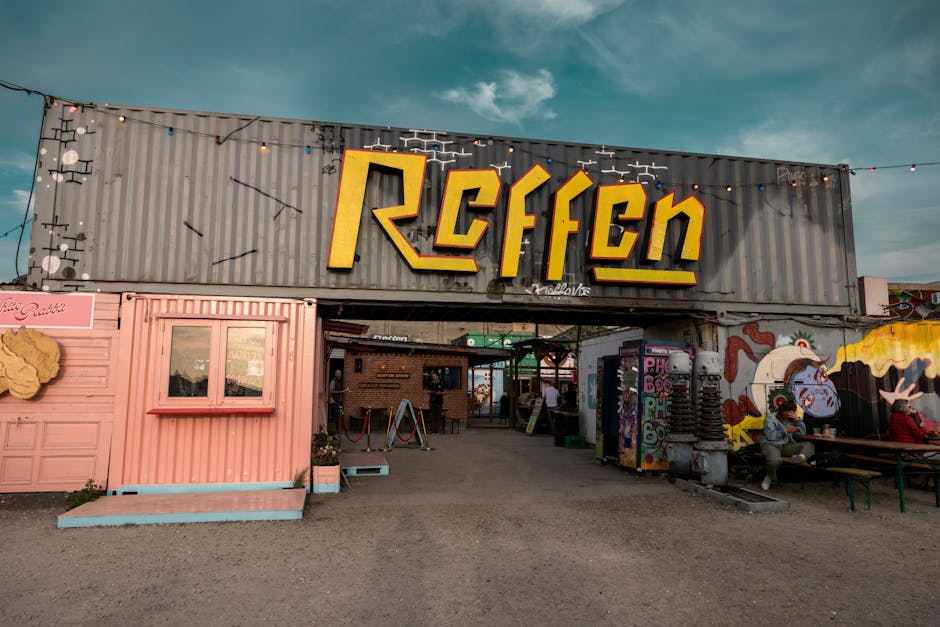
For a more relaxed, visually vibrant take on the scene, Reffen — Copenhagen Street Food — is a must. Located at Refshalevej 167, 1432 København, Reffen brings together food trucks, international stalls and Nordic pop-ups in a large outdoor space with harbor views. Opening hours: seasonal but generally open May to October, Wednesday to Sunday 11:00–21:00; prices: dishes 6–15 €, drinks 3–8 €.
Immersive description: stroll between colorful containers turned into kitchens, scents of grilling, fermentations and wood-fired breads. You’ll find Nordic-style tacos with smoked fish, reimagined sandwiches, rhubarb-based desserts and lacto-fermented sides, along with local coffee and craft beers. It’s also a testing ground where young chefs try concepts before moving into full-service restaurants.
Practical tips: bring small bills or a card with mobile payment — some stalls accept only mobile payments. Reffen is very family-friendly in the afternoon; come in the evening for a festive, live-street vibe. Plan your trip: Refshaleøen is reachable by bus or bike from the city center (allow 15–25 minutes).
Exceptional tables: Noma and how to approach Nordic excellence
To fully grasp the Nordic scene, you should at least be aware of Noma — one of the most influential restaurants in the world. Noma is located at Refshalevej 96, 1432 København K. Opening hours: service by reservation only, tasting menus served in the evening; hours vary by season and concept (check the official site). Price: tasting menus roughly 300–450 € per person (depending on season and drinks), excluding wine; this is subject to change and requires booking well in advance.
Immersive description: at Noma the experience is complete: from the welcome to the tableware to herbs foraged on site. Dishes follow a strict narrative of seasonality and terroir. Even if the price is steep, watching the staging (menus, chef explanations, preservation techniques) is invaluable for a beginner: you’ll see how simplicity can be revolutionary.
Tips for beginners: book several months ahead via the official website; if the budget is tight, follow Noma on social media or visit Refshaleøen to feel the culinary energy. Many chefs trained at Noma have launched their own projects — follow their secondary addresses for a more accessible take on the cuisine taught at Noma.
Practical tips, reservations and vocabulary for getting started
Booking is often essential for the restaurants mentioned: use official platforms (restaurant websites) or OpenTable to reserve. For markets and food halls, no reservation is needed, but come early to avoid the crowds. Budget: for a full introductory day (market + bistro + tasting) expect to spend between 60 € and 200 € depending on choices. For a starred meal, plan 250–500 € per person.
Useful vocabulary: smørrebrød (open-faced sandwich), sild (pickled herring), rugbrød (rye bread), fermentering (fermentation), gravad (fish cured in a salt-sugar-herb marinade), and « hygge » (a cozy, convivial atmosphere). Ask « Can you tell me where this comes from? » in English or in Danish « Hvor kommer dette fra? » to learn the origin of an ingredient — chefs and vendors love to explain.
Other local tips: favor soft mobility (bike, walking) — many spots are easy to reach. Bring a plug adapter if you need one. Tipping: service is often included in Denmark; rounding up or leaving 5–10% is appreciated but not required.
Resources and practical links
- Torvehallerne KBH — Frederiksborggade 21, 1360 København K. Main opening hours: 10:00–18:00 (varies by stall).
- Kødbyens Fiskebar — Flæsketorvet 100, 1711 København V. Open Tue–Sat 12:00–22:00. Dish prices 15–35 €.
- Reffen — Refshalevej 167, 1432 København. Season May–Oct, Wed–Sun 11:00–21:00. Prices 6–15 € per dish.
- Amass — Refshalevej 153, 1432 København K. Lunch and dinner menus, prices vary 35–130 €.
- Restaurant Radio — Julius Thomsens Gade 12, 1632 København V. Tasting menu 45–75 €; Tue–Sat evenings.
- Noma — Refshalevej 96, 1432 København K. Reservation required; tasting ~300–450 €.
Conclusion: build your own Nordic route in Copenhagen
Copenhagen offers a unique palette for those looking to discover Nordic cooking: bustling, educational markets (Torvehallerne), food halls and creative spaces on Refshaleøen, neighborhood bistros and exceptional fine-dining tables. For a beginner, the best approach is gradual: start by tasting and observing (at the market), move to bistros to understand combinations and textures, then try a creative table or a top house if your budget allows. Each step will sharpen your culinary vocabulary and help you recognize signatures of Danish terroir.
Remember that Nordic gastronomy in Copenhagen is more than a string of dishes: it’s a philosophy linking producer, season, technique and environmental respect. By staying curious, asking vendors questions and sharing plates, you’ll learn quickly. Plan visits around the seasons (menus change dramatically between winter and summer) and book ahead for in-demand tables.
Finally, treat each meal as a lesson: take mental (or written) notes about what you like — textures, acidity, smoke, sweetness — and try to identify the ingredients. Nordic chefs enjoy swapping recommendations: a short chat can lead you to an even more authentic experience. Enjoy your culinary journey in Copenhagen — may your taste buds open to the sophisticated simplicity of the North and may you leave inspired by this city’s sustainable creativity.