





Introduction: How to pick the right neighborhood to stay in Copenhagen
Copenhagen immediately hits you with a mix of sleek Scandinavian design, Hanseatic history and a laid-back cycling culture. Choosing the right neighborhood can make or break your trip: some areas are perfect for nightlife and Michelin-starred dining, others offer quiet cobblestone streets, scenic canals or quick access to parks and museums. This guide helps you decide based on what you want — museums, food, design shopping, waterside walks, family-friendly spots or budget options — by breaking down neighborhoods, giving specific addresses, typical opening hours, price ranges in euros and local tips to help you make the most of your stay.
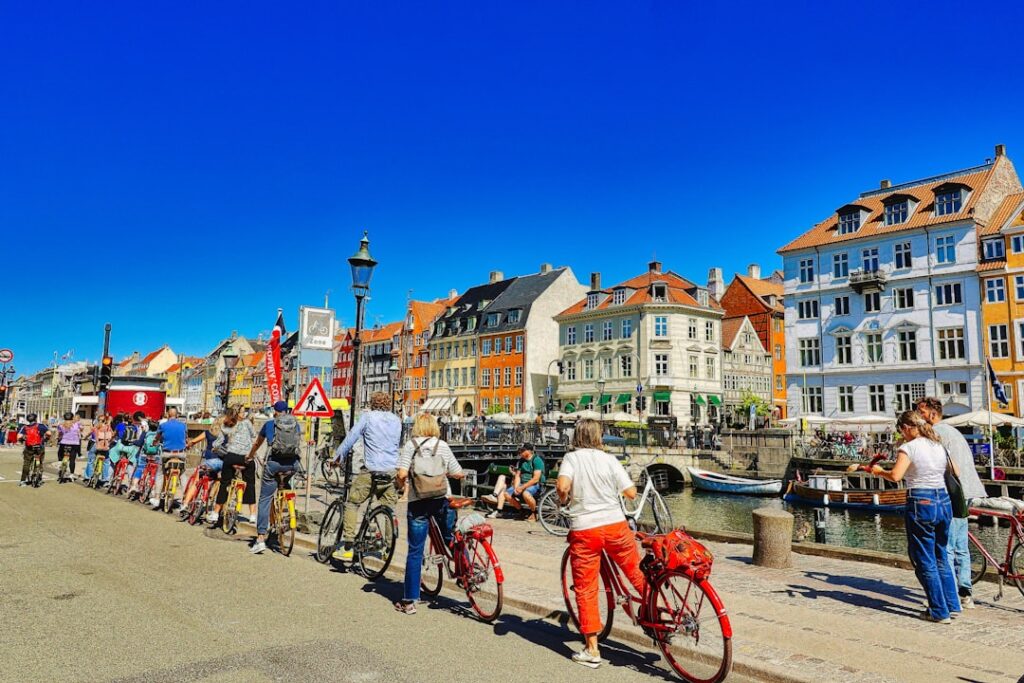
Copenhagen is relatively compact and well-served by public transport (metro, trains and buses). The Copenhagen Metro runs 24/7 on weekends and starts around 5:00 on weekdays, with a zone 1–2 ticket costing roughly €3.20 (depending on exchange rates — about 24 DKK for a single adult zone 1 ticket). The city’s bike-sharing systems and extensive cycle lanes make many districts easy and pleasant to explore by bike. Accommodation prices vary widely: a hostel dorm bed can be €20–40 per night, while a central 4-star hotel often runs €150–300 per night depending on the season.
In this guide you’ll find immersive descriptions of the most relevant areas to stay in Copenhagen: Indre By (historic centre), Vesterbro (trendy nightlife), Nørrebro (multicultural and creative), Østerbro (family-friendly and peaceful) and Christianshavn (canals and maritime charm). For each neighbourhood I list concrete hotel and café examples, key activities with typical hours and prices, plus local tips on where to eat, walk and avoid tourist traps. Whether you want a design stay near Nyhavn, a local immersion on a shopping street in Nørrebro or quiet nights close to Fælledparken, this guide helps you pick the neighbourhood that best matches your plans.
Finally, I share practical tips: when to book, how to limit transport costs, where to find late-opening supermarkets and how to enjoy popular spots like Tivoli Gardens or the Little Mermaid while avoiding the busiest times. All addresses and prices are shown in euros to make planning easier, but double-check official sites before you go — times and fees can change. Now, let’s dive into each neighbourhood so you can choose the best fit for your trip.
Indre By (historic centre) — Be in the heart of the action
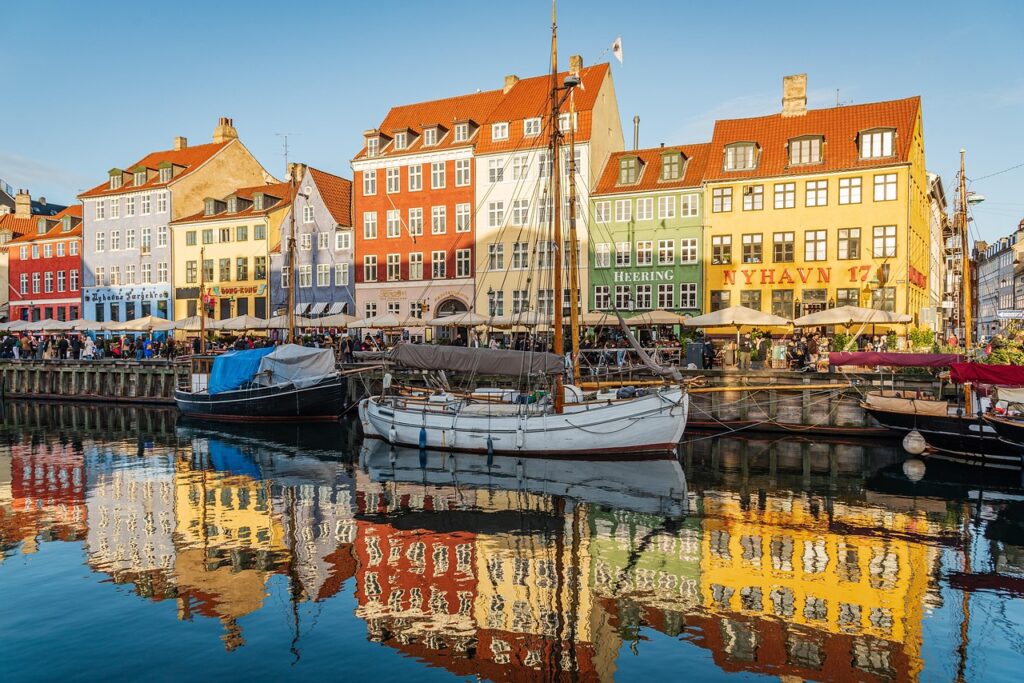
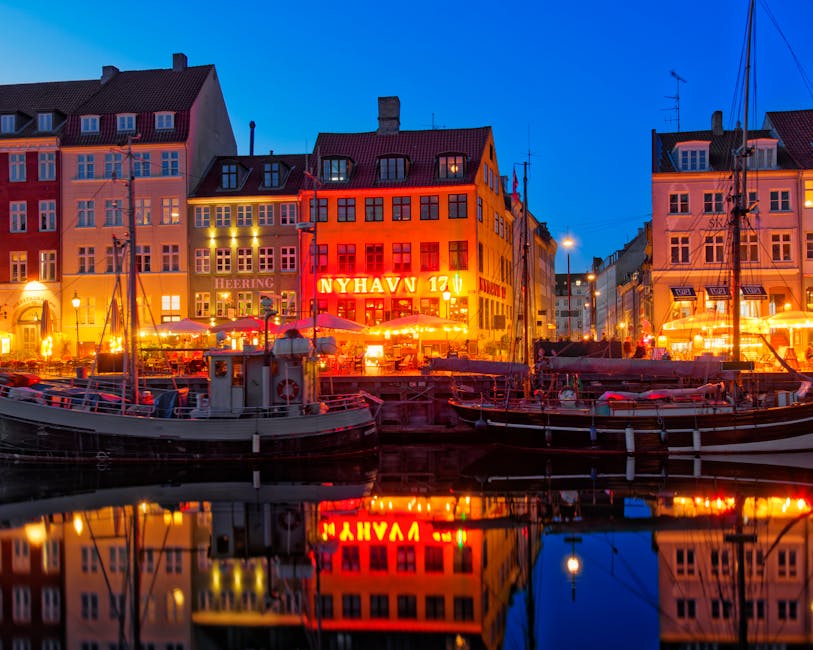
Indre By, Copenhagen’s historic centre, is perfect if you want to walk to iconic sights, top restaurants and shopping streets. Here you’ll find Nyhavn, Kongens Nytorv square and the pedestrian street Strøget. Staying here often costs more, but you’ll save precious time if you plan to sightsee without spending hours on transport.
Example addresses: Hotel Skt. Annæ, Ved Stranden 18-20, 1061 København K. Typical price: €180–320 per night (standard double), breakfast buffet €18–25 per person. Reception hours: 07:00–23:00 (check seasonally).
Activities and attractions: strolling along Nyhavn (address: Nyhavn, 1051 København K) is open all day; canal-side restaurants usually serve food from about 11:00 to 22:00, mains €15–35. The Amalienborg Palace (Address: Amalienborg Slotsplads 5, 1257 København K) hosts the changing of the guard daily at 12:00. Outdoors it’s free to watch; interior guided tours cost around €10–15 depending on season.
Local tips: avoid hotels right by Nyhavn if you’re sensitive to evening noise — the area can be lively until midnight. For a memorable dinner, try to snag a reservation at Restaurant Noma (if you manage to book), or go for the more accessible Restaurant Koefoed, Store Strandstræde 19, 1255 København K, where mains run €20–45. Major museums like the National Museum (Address: Ny Vestergade 10, 1471 København K) are usually open from 10:00 to 17:00; adult tickets €12–15.
Vesterbro — Nightlife, dining and urban design
Vesterbro is the trendiest district for travelers who like eating out, drinking and finding a more alternative side of Copenhagen. Once industrial, Vesterbro now mixes cafés, bars, modern restaurants and designer boutiques. It’s a great pick if you want an energetic stay that still feels local compared with the historic centre.
Where to stay: Hotel SP34, Sankt Peders Stræde 34, 1453 København K. Prices: €120–250 per night for a double room, breakfast €15–22. Reception open 24/7. For a cheaper option, Copenhagen Downtown Hostel, Istedgade 61, 1650 København V, offers dorm beds from €25–45 per night; private rooms €80–120.
Eating out and nightlife: Istedgade (general address: Istedgade, 1650 København V) is full of cafés that open early (breakfast 07:30–11:00) and restaurants that stay open late (until around 01:00). Recommended spot: Hija de Sanchez (Address: Halmtorvet 9, 1700 København V) for Mexican-influenced tacos, €6–12 each. For contemporary dining try Kødbyens Fiskebar, Flæsketorvet 100, 1711 København V (open 12:00–22:00), mains €18–40.
Culture and chill: the Meatpacking District (Kødbyen) is a nightlife hotspot with clubs and bars open until 03:00–05:00 depending on the venue. For a quieter break, Vestre Kirkegård (address: Vestre Landevej 29, 2400 København NV) is a large park-like cemetery with peaceful paths — ideal for a morning walk. Local tip: parking is limited and expensive, so use the metro (Hovedbanegården station for access) or a bike.
Nørrebro — Multicultural, creative and full of life
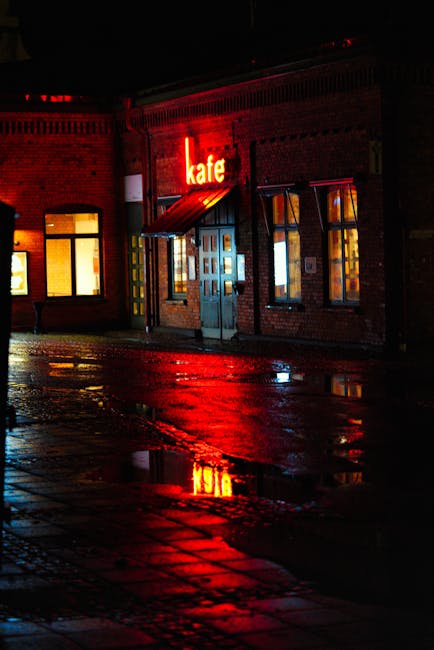
Nørrebro is Copenhagen’s multicultural, creative neighbourhood. It attracts young families, artists and food lovers. Streets like Nørrebrogade and Sønder Boulevard host markets, indie cafés, vintage shops and an inventive food scene. If you want an authentic, lively and diverse stay, Nørrebro is an excellent choice.
Where to stay: Hotel Jørgensen, Sankt Hans Torv 5, 2200 København N, with rooms priced around €90–160 per night. Budget option: Urban House Copenhagen by MEININGER, Istedgade 60, 1650 København V (close to Nørrebro) offers dorm beds €25–40, private rooms €70–120.
To see and do: Assistens Kirkegård (Address: Kapelvej 4, 2200 København N) is a leafy cemetery park where Hans Christian Andersen and Søren Kierkegaard are buried; it’s usually open 06:00–20:00 depending on season and free to enter. The Assistens Torv market hosts cafés and local events. For food, check out Manfreds (Address: Jægersborggade 40, 2200 København N), a farmer-driven restaurant and wine bar with mains €12–28 — it fills up in the evening, so book ahead.
Local tips: Nørrebro is perfect if you want to get off the beaten path and enjoy varied atmospheres from street to street. Walk Jægersborggade (Address: Jægersborggade, 2200 København N) for artisan shops and bakeries. Barbers, art studios and microbreweries are everywhere; specialty filter coffee typically costs €3–6. Safety: Nørrebro is generally safe, but avoid wandering into quiet station outskirts at night and stick to busier areas.

Østerbro and Frederiksberg — Quiet, family-friendly and green
If you’re traveling with family or want peaceful nights and parks nearby, Østerbro and the neighbouring municipality of Frederiksberg are great choices. Østerbro is residential and close to Fælledparken and Parken stadium, while Frederiksberg is known for manicured gardens like Frederiksberg Have and stylish shopping avenues.
Where to stay: Adina Apartment Hotel Copenhagen, Lyngbyvej 10, 2100 København Ø, offers studios and apartments with kitchenettes, prices €120–220 per night depending on size. In Frederiksberg, Hotel Kong Arthur, Vendersgade 21, 1363 København K, has rooms €140–260 per night, breakfast buffet €18. Reception usually open 24/7.
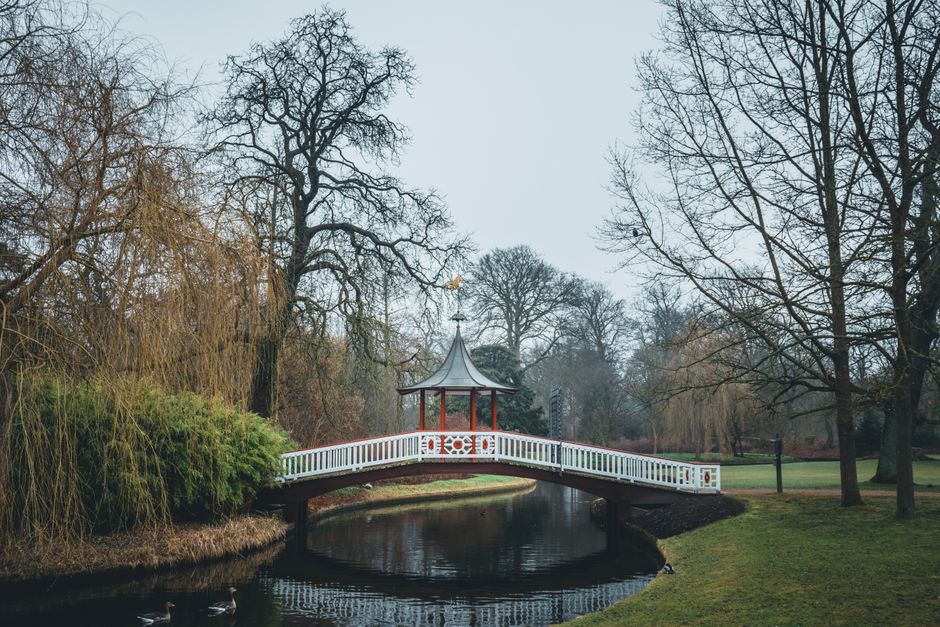
Activities: Fælledparken (Address: Østerbrogade 48, 2100 København Ø) is perfect for picnics and playgrounds; it’s open 24 hours and hosts seasonal events. Frederiksberg Have (Address: Smallevej 6, 2000 Frederiksberg) is an English-style garden with a small palace, open daytime (roughly 06:00–22:00), free entry. Copenhagen Zoo, Copenhagen Zoo, Roskildevej 32, 2000 Frederiksberg, is usually open around 10:00–16:00/17:00 depending on season; adult tickets €18–25.
Local tips: these neighbourhoods offer a high quality of life: artisan bakeries, supermarkets open until about 22:00 (chains like Irma or Netto), and quiet cafés ideal for remote work. Public transport and buses are frequent. If you’re traveling with a baby or small child, choose an apartment with a kitchenette for extra convenience. For a calm evening out, dine at Restaurant Radio (Address: Julius Thomsens Gade 12, 1632 København V), menus €30–55 per person focusing on local produce.
Christianshavn — Canals, maritime vibes and charming houseboats
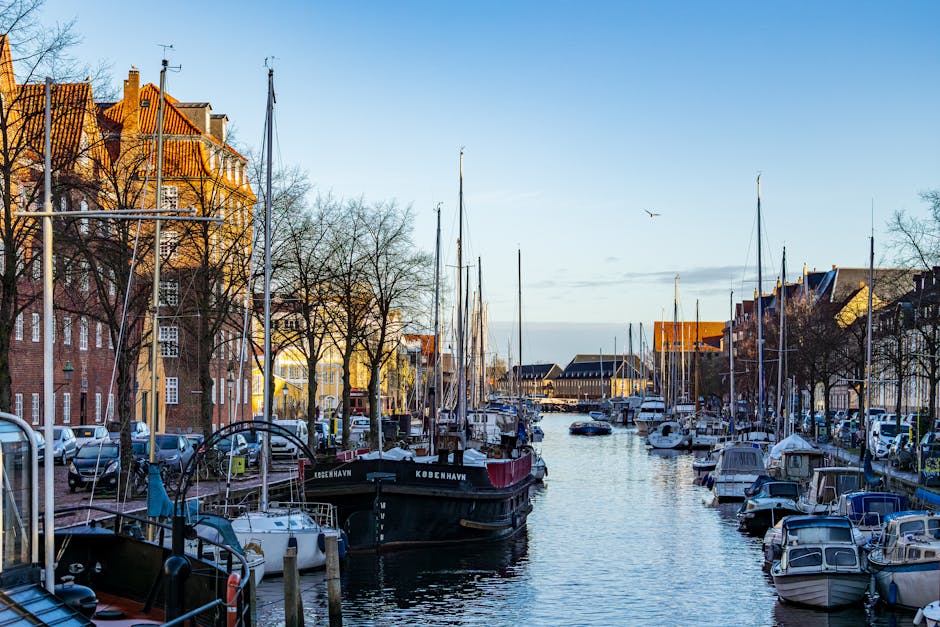
Christianshavn is the old port district transformed into islands of canals lined with colorful houses and houseboats. Its maritime feel and narrow streets invite leisurely wandering. It’s a great choice if you love being close to the water, canal-side cafés and boat trips.
Where to stay: 71 Nyhavn Hotel (technically on the Nyhavn side but with easy canal access), Nyhavn 71, 1051 København K, prices €160–300 per night. For a more authentic feel, look for a guesthouse or canal-side apartment rentals in Christianshavn — prices typically range €100–220.
Things to do: visit the Church of Our Saviour (Vor Frelsers Kirke), Sankt Annæ Gade 29, 1416 København K, usually open 10:00–16:00 depending on season; tower climb €4–6 for panoramic views. Wander through the alternative zone of Freetown Christiania (Address: Christiania, Christianshavn, 1400 København K), open by day — be mindful of local rules about photography and consumption and respect the community’s signage and atmosphere.
Local tips: canal-side cafés like Broens Gadekøkken (Address: Torvehallerne/Kanalbroen area, 1400 København K) offer street-food stalls with dishes €6–15. To reach the centre or the museums, Christianshavn metro is a quick option. The area is delightful on foot or by bike; you’ll find many bike rental spots and e-bike charging points near the quays. For more authentic photos, avoid the busiest riverbanks at peak times — go early morning or late afternoon.
Conclusion: Choose by vibe and make the most of your stay
Where to stay in Copenhagen really comes down to priorities: proximity to sights and top restaurants (Indre By), nightlife and culinary creativity (Vesterbro), multicultural buzz (Nørrebro), family-friendly calm and green spaces (Østerbro/Frederiksberg), or waterside charm and canals (Christianshavn). Each neighbourhood has its strengths and small trade-offs — higher prices in the centre, noise in party areas, or the need to use transport to reach some museums — but the city’s compact layout and transport network make it easy to mix and match neighbourhoods during one trip.
Key practical tips: book accommodation 2–3 months in advance for high season (May–September) and for major events (Copenhell, festivals, Christmas). The prices shown here are mid-range estimates in euros and can vary with exchange rates and promotions. For getting around, a Rejsekort or zone tickets (1–2) are handy; budget about €3–4 for a short trip. To save money, choose a place with a kitchenette, shop at local supermarkets (a sandwich €4–6, water €1–2) and eat at street-food markets like Torvehallerne for tasty, budget-friendly meals.
Final advice: pick accommodation near a metro station to minimize travel time, but don’t shy away from a slightly farther neighbourhood if you want peace and authenticity. Head out early to popular attractions (Nyhavn, Tivoli Gardens) to avoid crowds and catch the morning light for photos. And respect local habits: cycling is king — always look both ways and stay off bike lanes when walking. With the tips and addresses in this guide, you’ll be able to choose the neighbourhood that will make your Copenhagen trip memorable, comfortable and tailored to what you enjoy.