





Introduction — Understanding Customs in Denmark (context: Copenhagen)
Traveling to Copenhagen (København) involves more than booking a flight and finding your hotel: you also need to know the customs rules that govern bringing goods and items in and out of the country. This practical guide, aimed at the general traveler, explains clearly what you can bring into Denmark, what needs to be declared, and what’s strictly forbidden. The goal is to help you approach arrival at Copenhagen Airport or a land border calmly, avoid fines, and know what to do if your luggage attracts the attention of officers.
Copenhagen is primarily served by Copenhagen Airport — Kastrup (Københavns Lufthavn, Kastrup), located at Lufthavnsboulevarden 6, 2770 Kastrup. On arrival you’ll pass through passport control and then customs and inspection areas. Rules for arrivals from outside the European Union differ significantly from those for travel within the EU. In addition, certain categories like food, plants, medicines, animal products, cultural items and cash require special attention.
This guide includes practical examples, useful addresses in Copenhagen, typical opening hours for public and private services, estimated costs in euros for potential duties, and local tips for handling the most common situations. You’ll also find information on declaring cash (EU thresholds), VAT refunds on purchases made outside Denmark, and steps to take if items are seized. Above all, remember: transparency is your friend — it’s better to declare and get help from an officer than risk a fine or permanent confiscation.
Finally, keep in mind that Denmark follows EU rules but also maintains national measures in specific areas (plant health rules, protected animal species, firearms). Downtown Copenhagen, with its compact streets, hotels and markets, is no exception: a food souvenir bought in Christianshavn or at Torvehallerne market can sometimes be a problem. This guide will help you navigate between allowances and prohibitions, with practical reference points and useful addresses in Copenhagen for reporting or assistance.
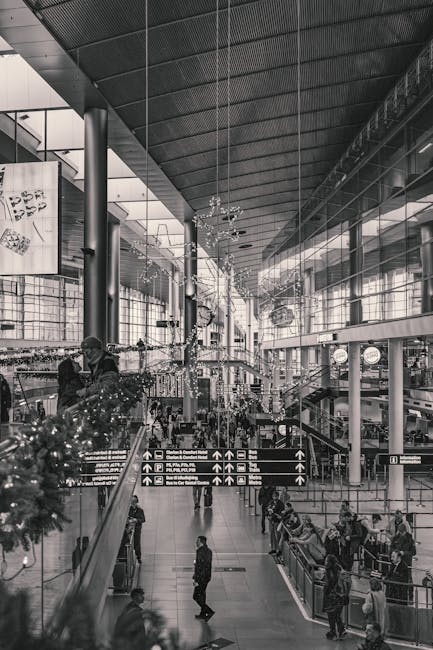
1. Allowed items — what you can bring in without paperwork (and practical tips)
For travelers arriving in Copenhagen from another EU country, the general rule is free movement of personal goods: your personal effects, clothing, electronic devices (laptop, smartphone, camera) and items for personal use are typically allowed. However, for travelers from non-EU countries, quantitative and qualitative limits apply — and it’s useful to know a few practical examples.
Here’s a summary of allowed items and local tips:
- Personal items and clothing: Allowed in reasonable quantities for personal use. A bag full of clothes and a suitcase with a camera won’t attract attention. Tip: keep receipts for new equipment to show that items are for personal use if necessary.
- Electronic devices: Laptops, tablets, phones, cameras and camcorders are permitted. If you bring multiple identical items (for example, five brand-new cameras), expect questions about possible commercial intent. Local tip: store expensive gear in your carry-on; at Terminal 3 of the airport (Lufthavnsboulevarden 6) checks are frequent but quick if your paperwork is in order.
- Alcohol and tobacco (subject to limits): For travelers from non-EU countries, allowances typically apply — common examples include limits like 200 cigarettes or 1 liter of strong spirits (these amounts can vary; see the following section). For intra-EU travelers, personal purchases are generally tolerated as long as they’re not for commercial purposes. Tip: buy duty-free at the airport (price example: 1 liter of whisky in duty-free ≈ €25–45 depending on brand) and keep your receipt and the sealed bag until delivery.
- Medicines: Personal prescription medicines are allowed if you have the prescription or a doctor’s letter. It’s recommended to keep original labels and packaging. Practical rule: bring no more than 90 days’ supply for personal use. Local tip: for a late-opening pharmacy, the closest central pharmacy is Apoteket Hjorten, Købmagergade 12, 1150 København K — typical opening hours 09:00–18:00 (Mon–Fri), 10:00–14:00 (Sat).
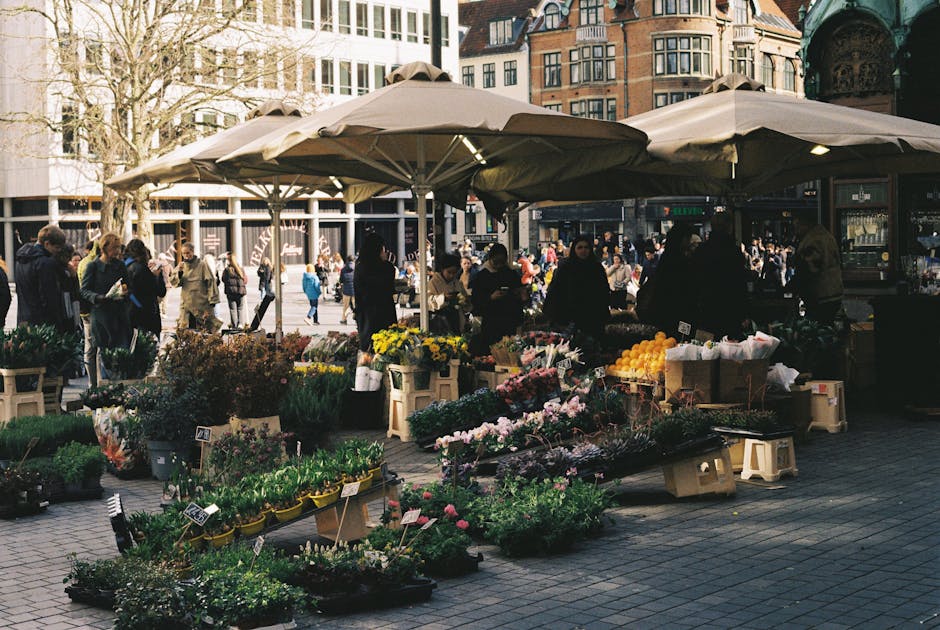
- Unregulated souvenirs: Wooden items, textiles, ceramics, and costume jewelry are generally allowed. Avoid buying items made from protected species materials (ivory, certain horn). Tip: when buying crafts at markets like Torvehallerne (Frederiksborggade 21, 1360 København K), keep your receipt (price examples: handmade pottery €10–40, a Smørrebrød sandwich €6–12).
In short, most everyday items carried by travelers are permitted, provided they’re for personal use and do not cross commercial thresholds. In Copenhagen, customs officers appreciate clarity: prepare your documentation, keep goods subject to allowances organized, and use official VAT-refund points if you make significant purchases.
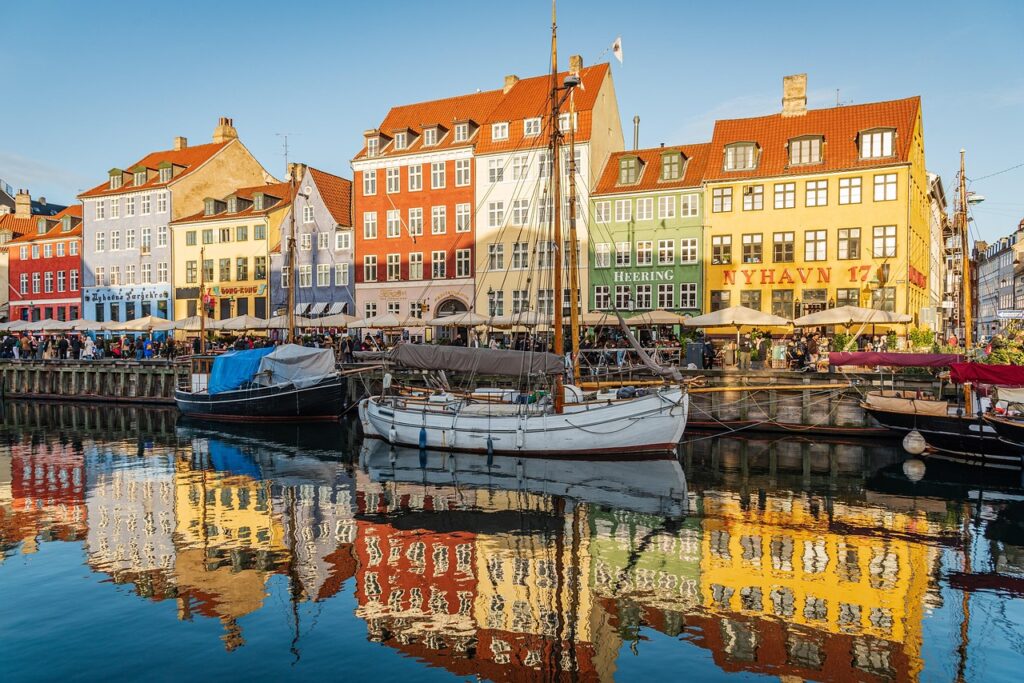
2. Allowances for alcohol, tobacco and cash — amounts, declarations and tips
The most sensitive allowances relate to alcohol, tobacco and cash. They vary depending on whether you’re arriving from an EU country or from a third country. Below are commonly applied rules and helpful practices in Copenhagen.
- Alcohol (typical examples for non-EU arrivals): Common allowances are: 1 liter of spirits over 22% ABV OR 2 liters of fortified wine (≤22% ABV) OR 4 liters of still wine AND up to 16 liters of beer. For intra-EU arrivals, personal use typically applies without strict formalities, but excessive quantities may suggest commercial importation. Local tip: if you cross via the Øresund Bridge to Malmö and return, keep your purchase receipts (price examples: mid-range bottle of wine €6–12, local beer €0.8–3 at the supermarket).
- Tobacco: For non-EU travelers, a common allowance is 200 cigarettes or 100 cigarillos or 50 cigars or 250 g of smoking tobacco. Intra-EU travelers may carry tobacco for personal use without declaring it under the personal use principle. Practical tip: officers may ask for proof of age — keep your passport or ID handy.
- Cash: Travelers entering or leaving the European Union must declare cash (including traveler’s checks and negotiable instruments) if the amount exceeds €10,000 (or the equivalent in other currencies). In Copenhagen, declarations are made at the customs office in the airport on arrival or via an online form if available. Local tip: if you’re carrying a large sum, prepare proof of origin (bank statement, letter from your bank) to speed up the process.
Concrete examples of costs and procedures:
- If you must pay duties on excess alcohol or tobacco, rates vary: for example, a flat duty on excess tobacco could amount to the equivalent of €50–150 depending on quantity and type. These figures are indicative and may change; check the official Danish customs website before departure.
- If you forget to declare or if your belongings are suspected, go to the customs office at Copenhagen Airport (Københavns Lufthavn, Lufthavnsboulevarden 6, 2770 Kastrup). Assistance desks are usually busiest between 06:00 and 22:00; outside those hours, a standby service may be arranged for late flights.
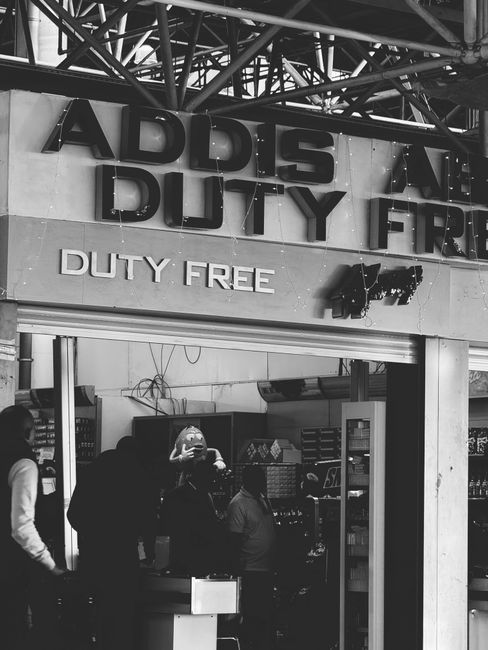
3. Prohibited and strictly controlled items — drugs, food, plants, animals and weapons
Denmark enforces strict bans on a number of items to protect public health, biodiversity and safety. Below is a detailed list and practical advice to avoid costly mistakes.
- Illegal drugs: Any non-medical quantity of controlled substances is strictly prohibited. Possession, even in small amounts, can lead to heavy fines, criminal prosecution and deportation for non-residents. Tip: never carry suspicious substances; if you need a medication that looks like a controlled drug, keep the prescription and original packaging.
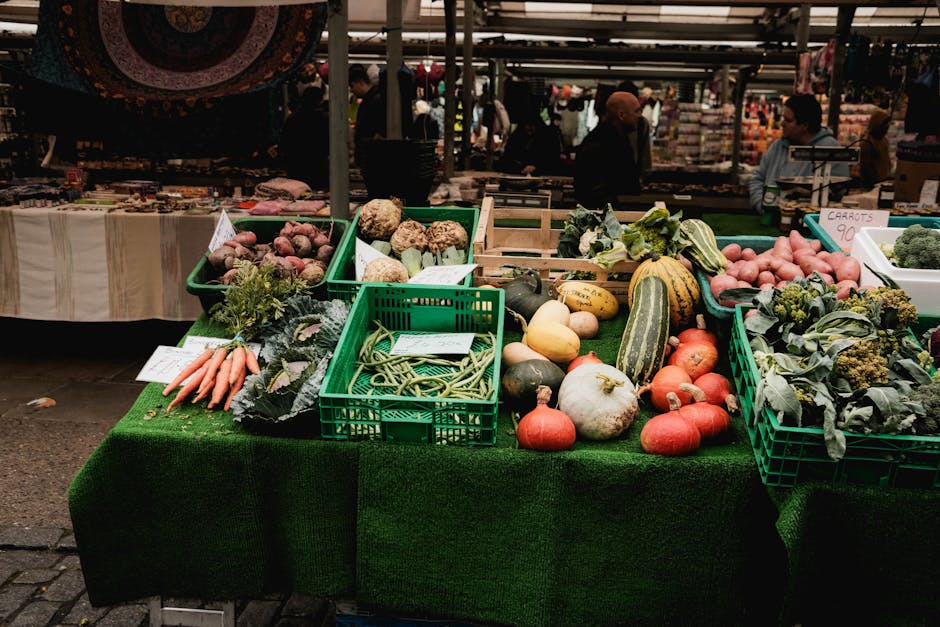
- Animal-origin food products: Meat, dairy and certain processed products from third countries are often banned to prevent animal diseases. Travelers from non-EU countries must comply with plant and animal health rules. Local tip: if you buy artisan smoked salmon at Torvehallerne (Frederiksborggade 21, 1360 København K), eat it while in town or package it carefully and check regulations if you’re traveling onward to a non-EU country.
- Plants, seeds and untreated wood: Some species require phytosanitary certificates. Seeds and seedlings from outside the EU may need authorization. Tip: to avoid seizure, don’t pack soil or large plants without declaring them and securing the proper documents.
- Protected species: Items made of ivory, coral, protected feathers, exotic skins are subject to CITES restrictions. Fines for violations can exceed several hundred or even thousands of euros, and the item may be permanently confiscated. Tip: don’t buy questionable-material items at tourist markets.
- Weapons, ammunition and replicas: Firearms, ammunition and certain knives are tightly controlled. Replica weapons (airsoft, prop pieces) may also require authorization. In Copenhagen, possession of a firearm without a permit is a criminal offense. Tip: if you’re transporting a registered hunting firearm, check requirements with the relevant authorities and your consulate before traveling.
If you think you’re carrying a potentially problematic item (antiques, objects containing animal parts, beach-found souvenirs), the best practice is to declare it in advance. In Copenhagen, the customs office at the airport (located in Terminal 3, Lufthavnsboulevarden 6) can advise you. In case of seizure, request a written decision detailing the reasons and appeal procedures; keep purchase proofs for any dispute.
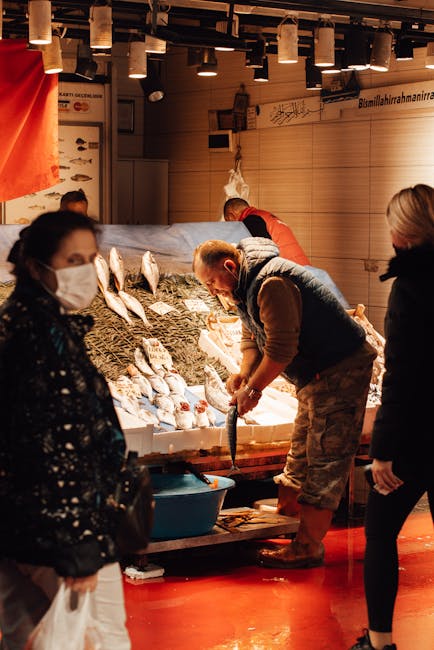
4. Medicines, medical devices and specific needs — procedures, addresses and tips in Copenhagen
Travelers with medical needs or carrying medicines should take special precautions. Danish health authorities allow personal import of prescribed medicines, provided the quantity is reasonable for personal use and a prescription or original leaflet is presented.
Practical recommendations:
- Prescriptions and quantities: Bring the prescription with your name, dosage and treatment duration. Generally, a 90-day supply is considered reasonable for personal use. Local tip: translate the prescription into English to make communication with the pharmacy easier if needed.
- Controlled medications: Some psychotropic drugs and opioids are heavily regulated and often require prior authorization. Before traveling, contact the Danish embassy or check the Danish health authority’s website to obtain required forms.
- Pharmacies in Copenhagen: If you need to refill a prescription locally, visit a major pharmacy (Apotek). Example: Apoteket Hjorten, Købmagergade 12, 1150 København K — approximate opening hours 09:00–18:00 (Mon–Fri), 10:00–14:00 (Sat). For 24-hour emergencies, check on arrival: Copenhagen Airport has a transit medical center where you can get urgent advice.
- Medical devices: Inhalers, medically prescribed syringes (for diabetes) and other necessary devices are allowed if justified by a prescription. Keep these items in your carry-on and retain the information leaflets. Tip: for syringes, carry a doctor’s letter and keep them in sealed packaging.
For any health-specific questions, the safest option is to contact the Danish representation or the health authority before departure. In Copenhagen, major hospitals like Rigshospitalet (Blegdamsvej 9, 2100 København Ø) receive international patients and can advise on local procedures if you have a chronic condition requiring ongoing treatment.

5. Arrival procedures, contacts and practical on-the-ground tips
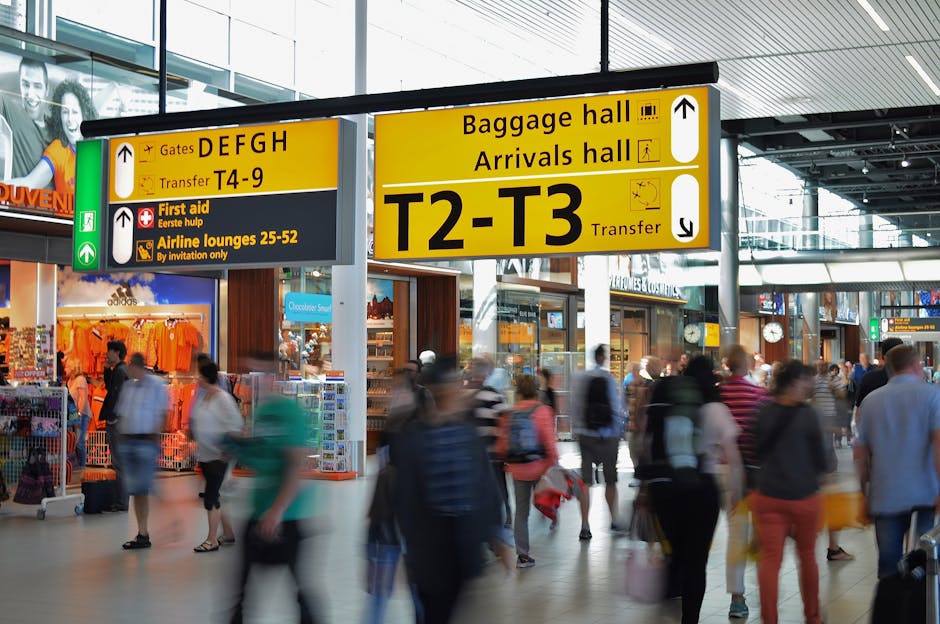
On arrival in Copenhagen, follow signs for « Arrival / Ankomst » toward passport control and then to the customs area. Two lanes are typically shown: « Green » for people with nothing to declare and « Red » for those with goods to declare. When in doubt, use the red lane and tell an officer — being transparent usually avoids penalties and delays.
Useful contacts:
- Copenhagen – Kastrup Airport (Københavns Lufthavn, Kastrup): Lufthavnsboulevarden 6, 2770 Kastrup. On site, information desks and the customs service are located in the arrivals area, Terminal 3. Hours: the terminal operates 24/7 for flights, but help counters are typically open from 05:00 to 23:00; a standby service may be available for night flights.
- Danish Customs Authority (general information): Check the official Danish Customs website (Toldstyrelsen / Skattestyrelsen) for forms and updates. If you need immediate help, visit the airport customs desk.
- Municipal offices in Copenhagen: For follow-up steps (for example to appeal a seizure), the city hall or local legal services can guide you. Example site: Københavns Kommune, Rådhuspladsen 1, 1550 København V — municipal reception typically open 09:00–16:00.
Practical tips around town:
- If you buy local food (cheeses, smoked fish) and plan to travel onward to a non-EU country, check the export restrictions of your next destination.
- Always keep purchase receipts — they can be used to prove the origin and value of an item in case of inspection.
- If you’re inspected and don’t understand the language, ask for an interpreter or request to speak in English; Danish officers often speak English and communication is usually smooth.
Conclusion — Best practices and local resources for a smooth customs check in Copenhagen
Clearing customs in Copenhagen is usually straightforward for informed travelers. By following a few basic rules — declare cash over €10,000, stay within allowances for alcohol and tobacco when arriving from third countries, and avoid importing animal-origin foods or protected species — you’ll greatly reduce the risk of problems. In Copenhagen, systems and customer service are designed to ease passenger flow: Kastrup Airport (Lufthavnsboulevarden 6, 2770 Kastrup) has a clearly marked customs area in arrivals, and officers are generally available to advise in English and Danish.
Some final practical tips: keep all receipts and prescriptions in an easy-to-present folder, highlight medicines and controlled items in your carry-on, and choose voluntary declaration when in doubt. If you buy food or souvenirs at Torvehallerne (Frederiksborggade 21) or local markets, ask the seller about origin and request a receipt if the item might be restricted. For cultural items and antiques, avoid purchasing without paperwork proving lawful origin; for pets, ensure the EU pet passport or health certificate is up to date — otherwise quarantine or refusal of entry may occur.
Finally, keep these useful addresses at hand: Copenhagen Airport, Lufthavnsboulevarden 6, 2770 Kastrup for arrival assistance; Apoteket Hjorten, Købmagergade 12, 1150 København K for pharmacy emergencies in the city center; Torvehallerne Market, Frederiksborggade 21, 1360 København K for food purchases. By following these rules and taking a proactive approach, your time in Copenhagen should be pleasant and free of administrative hassle. Safe travels and enjoy Denmark’s capital with peace of mind!