





Introduction: Understanding Copenhagen’s Metro for Exploring the City
Copenhagen’s metro (Metroselskabet) is a modern, driverless network that’s especially handy for visitors who want to see the Danish capital quickly and comfortably. Since opening in stages from 2002, the metro has reshaped how people get around: it connects Copenhagen Airport (Københavns Lufthavn, Lufthavnsboulevarden 6, 2770 Kastrup) to the city center, serves the historic core and extends into booming neighborhoods like Ørestad and Nordhavn. Today the system is made up of the main lines — M1, M2, M3 (the City Circle) and M4 — covering most tourist spots, hotels and rail interchanges.
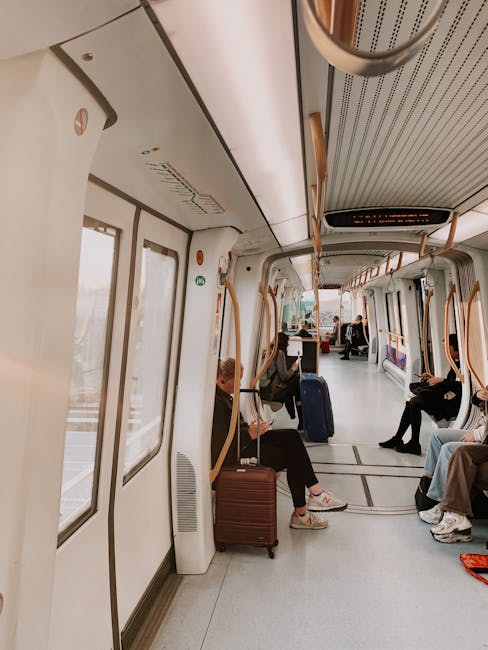
For a tourist, the biggest advantage is efficiency: frequent trains, zone-based fares (DOT) and easy connections with regional trains and buses. Key stations where tourist activity concentrates include Copenhagen Central Station (Bernstorffsgade 16, 1577 København V), Nørreport Station (Nørre Voldgade 23, 1358 København K), Kongens Nytorv (Kongens Nytorv, 1050 København K) and Christianshavn (Christianshavns Torv 1, 1428 København K). These stations also offer practical services: luggage lockers, elevators for suitcases, ticket machines and space for folding bikes.
On fares and tickets there are several options: single tickets (zones 1–2), City Passes (24/72 hours), Rejsekort cards and mobile tickets. As a rough guide in euros: a single ticket for zones 1–2 costs about €3.00 (≈24 DKK), for 3 zones around €4.50 (≈36 DKK) and a trip to/from the airport (additional zones) is roughly €5.00 (≈40 DKK). Tickets can be bought at station machines, via the DOT Tickets app, or using a prepaid Rejsekort. Keep your ticket until you exit — checks are common.
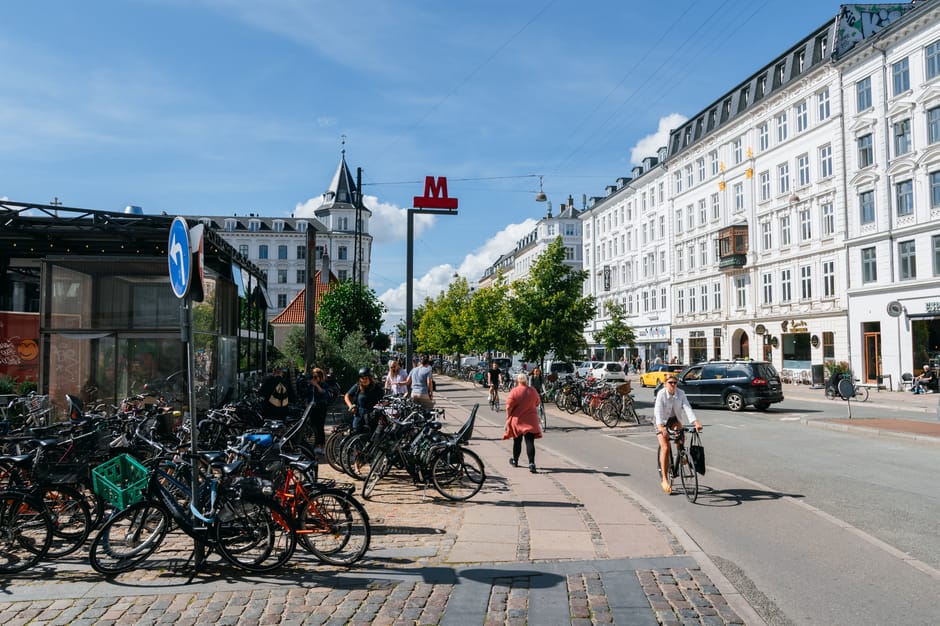
Hours and frequencies: Copenhagen’s metro runs 24/7 (a rarity in Europe). Frequencies change by time of day: daytime (07:00–19:00) expect trains every 2–4 minutes on M1/M2/M3, evenings (19:00–00:00) every 6–12 minutes, and overnight (00:00–06:00) about every 15 minutes. Weekend nights maintain service but with wider gaps between trains. These frequencies make the metro a great choice for getting to attractions and reaching the airport at any hour.
The Metro Lines: Routes, Descriptions and Connections
Copenhagen’s metro consists of four main lines identified as M1, M2, M3 and M4. M1 and M2 are the original lines serving Ørestad and Amager and link the airport via a shared section. M3, the City Circle, is a loop line with 17 central stations that makes transfers easy. M4 is the newest line, connecting the City Circle with Nordhavn and gradually extending to other waterfront districts.
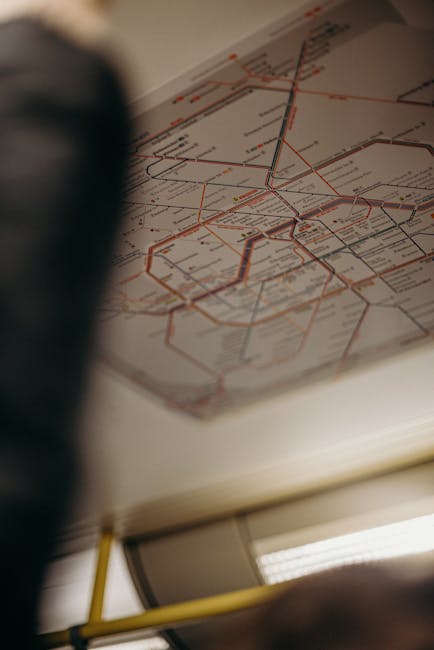
– M1: Runs between Vanløse and Vestamager (via Ørestad). Key tourist stops: Frederiksberg (close to Frederiksberg Have and shopping streets), Copenhagen Central Station (connections to long-distance trains) and Ørestad (near malls and modern architecture). Frequency: 2–4 min daytime, 6–12 min evenings.
– M2: Runs between Vanløse and Copenhagen Airport (Kastrup). Stops: Nørreport (gateway to the historic quarter), Kongens Nytorv (access to Nyhavn and Christiansborg Palace by foot or a short bus ride), and the airport. Approximate travel time from Nørreport to the airport: 15–20 minutes. Frequency similar to M1.
– M3 (Cityringen): Central loop that complements the radial lines. Key stations: Nørreport (Nørre Voldgade 23, 1358 København K), Østerport (near Rosenborg and Strandvej), Kongens Nytorv and Frederiksberg. M3 gives easy access to Rosenborg (via Kongens Nytorv then a 10–15 minute walk) and the central museums. Frequency: 2–4 min daytime.
– M4: Links the City Circle to Nordhavn and serves emerging waterfront and business neighborhoods. Handy if you plan to visit modern attractions, seaside promenades and the Blue Planet (National Aquarium Denmark) near some connections. M3 and M4 together help cut travel times across the city.
Connections: Copenhagen Central Station (Bernstorffsgade 16) is the main hub for regional and international trains (DSB). Use Nørreport to transfer to local buses, or Kongens Nytorv to walk to Strøget, Nyhavn and the Royal Danish Theatre.
Attractions Served and How to Reach Them from the Stations
The metro brings you within a short walk of almost every major attraction. Here’s a practical station-by-station guide with addresses, opening hours and approximate prices in euros.
– Tivoli Gardens — Vesterbrogade 3, 1630 København V. Recommended station: Copenhagen Central Station (Bernstorffsgade 16). Opening hours: vary by season (typically open 11:00–23:00, with extended summer evenings and concerts). Price: admission from about €16 for entry only (≈120 DKK); rides and attractions extra. Tip: buy tickets online to skip the line.
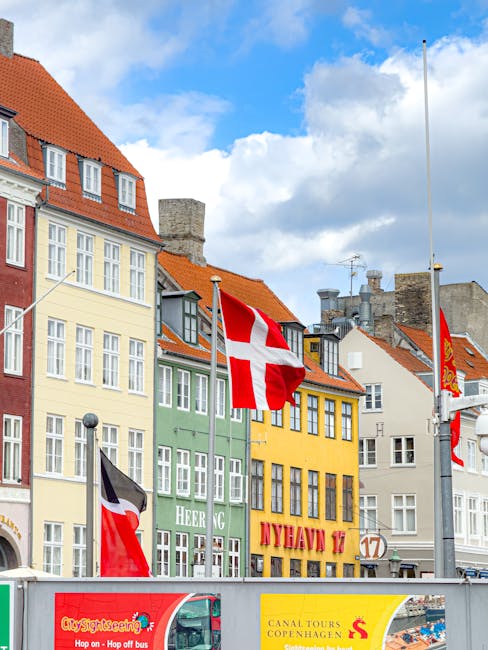
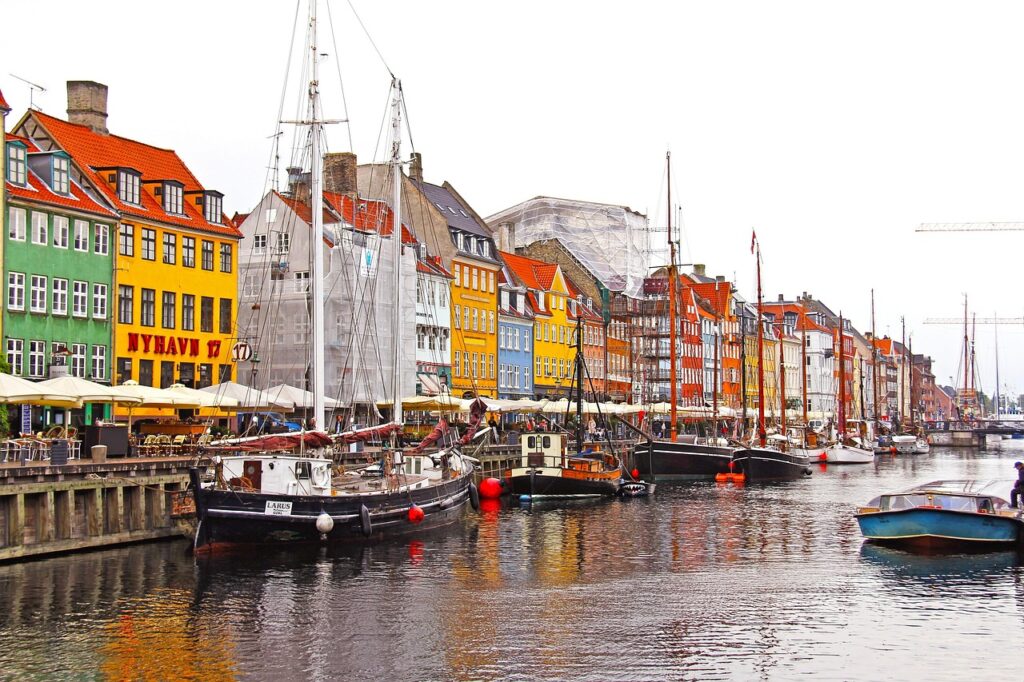
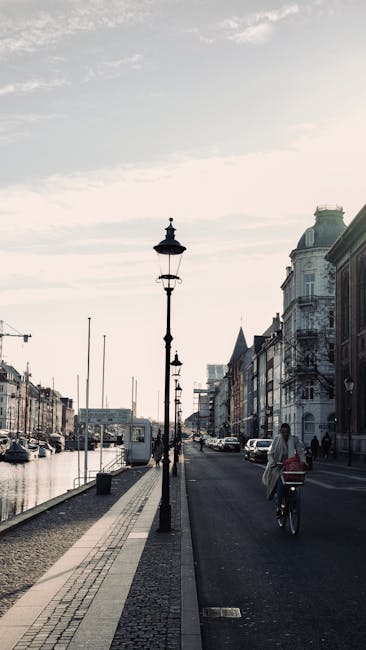
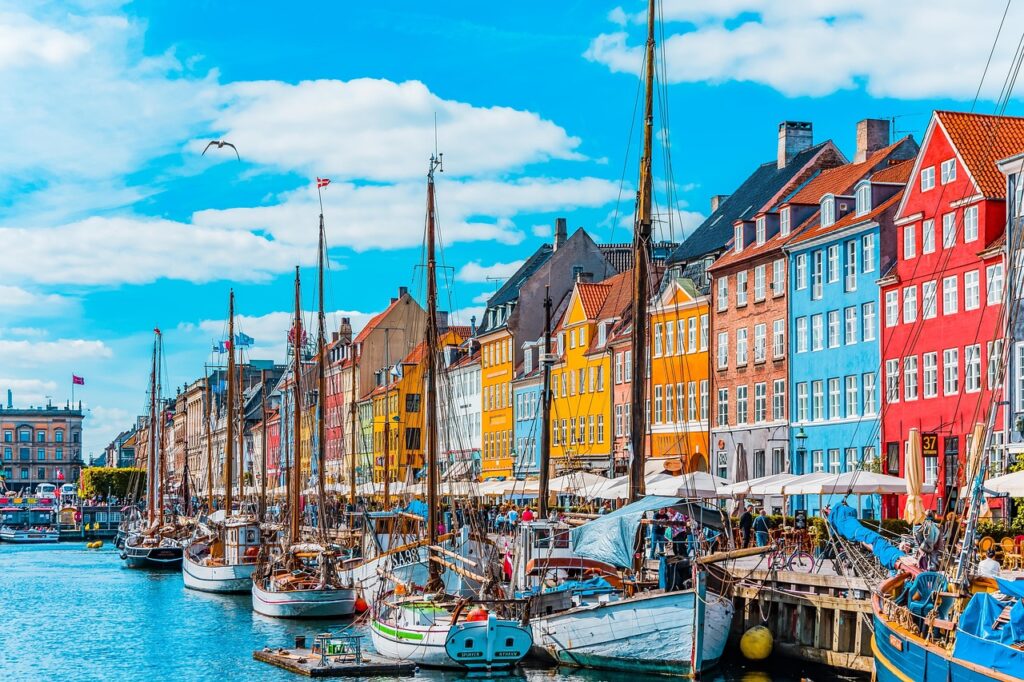
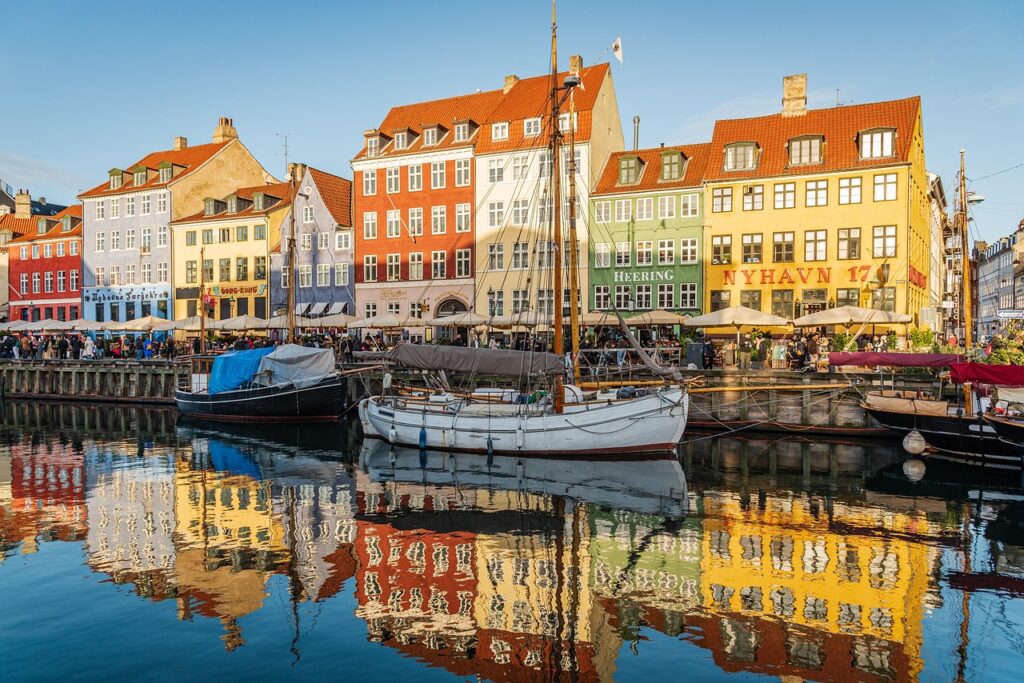
– Nyhavn — Nyhavn (Nyhavn 1–71), 1051 København K. Station: Kongens Nytorv (Kongens Nytorv, 1050 København K). What to expect: colorful houses, historic fishing boats, waterside cafés — perfect for a late-afternoon stroll. Free to wander; boat tours cost about €10–15 depending on duration.
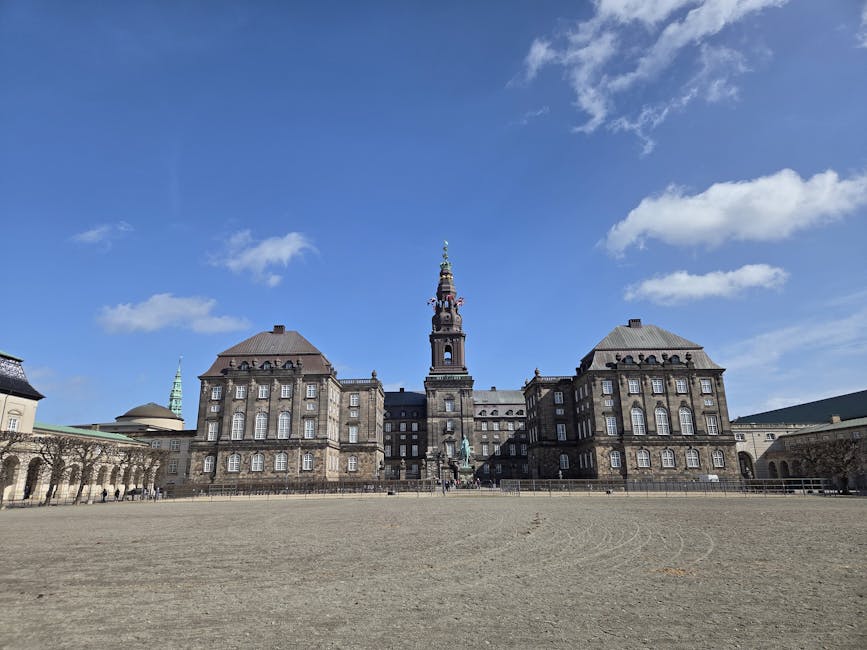
– Christiansborg Palace — Prins Jørgens Gård 1, 1218 København K. Station: Kongens Nytorv or Christianshavn depending on your route. Opening hours: typically 10:00–17:00 (check specific rooms). Price: palace entry and tower visits vary, roughly €12–15 (≈90–110 DKK).
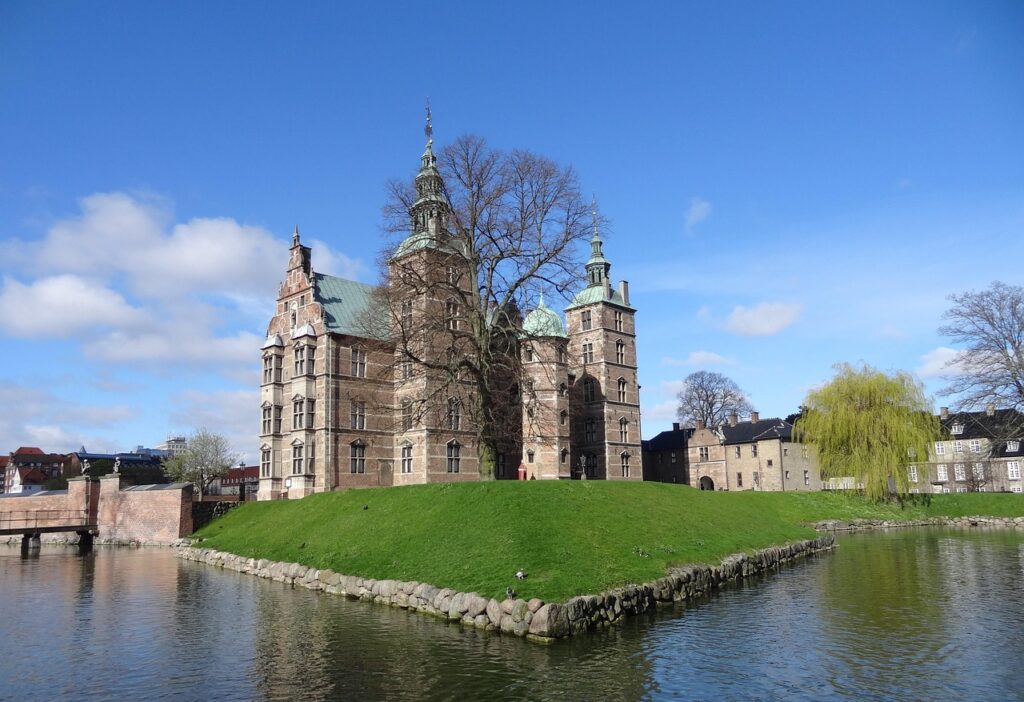
– Rosenborg Castle (Kongens Have) — Øster Voldgade 4A, 1350 København K. Station: Nørreport (Nørre Voldgade 23). Opening hours: generally 10:00–16:00. Price: about €12 (≈90 DKK). Highlights: royal gardens, crown jewels and a Renaissance atmosphere.
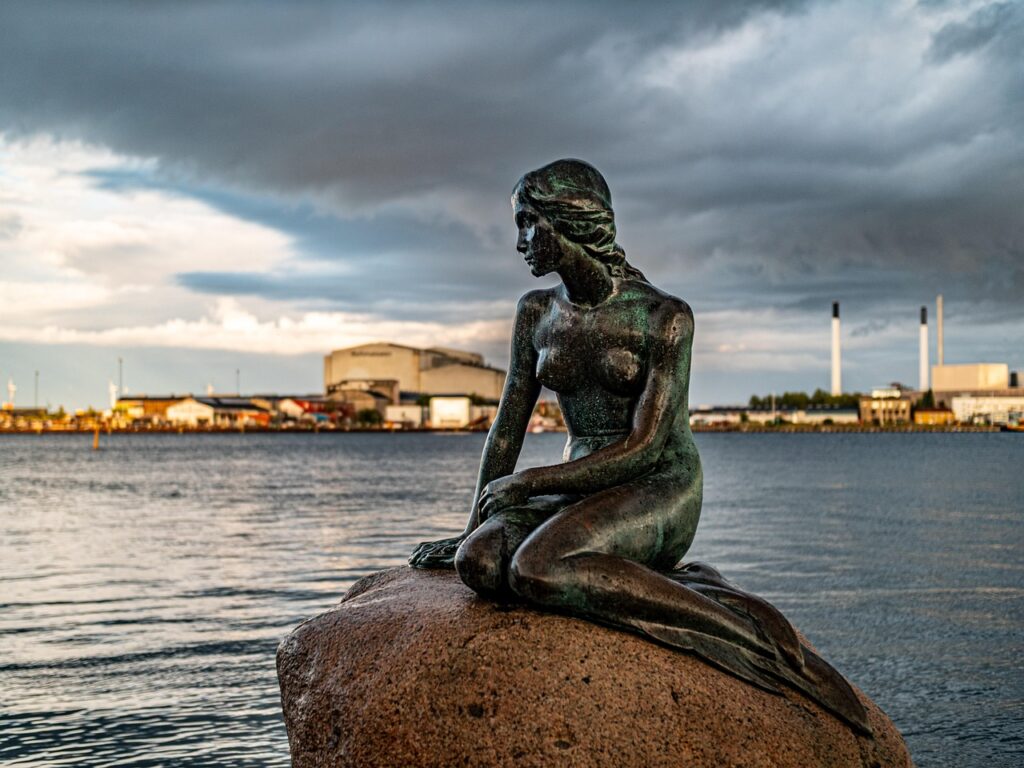
– The Little Mermaid (Den lille havfrue) — Langelinie, 2100 København Ø. Station: Østerport for a walk of around 20–25 minutes, or take a local bus. Free; best visited at sunrise or late afternoon for the light.
– Blue Planet (The National Aquarium Denmark) — Jacob Fortlingsvej 1, 2770 Kastrup (near the airport via M2 to the airport then bus/taxi). Admission: around €20–25 per adult. Hours: typically 10:00–18:00. Note: allow 1–1.5 hours for a visit.
Frequencies, Tickets, Local Tips and Practical Rules
Frequencies: daytime (07:00–19:00) expect 2–4 minute intervals on M1/M2/M3; evenings 6–12 minutes; nights around 15 minutes. During morning (07:00–09:00) and evening (16:00–18:00) rush hours trains can be crowded — give yourself extra time for journeys.
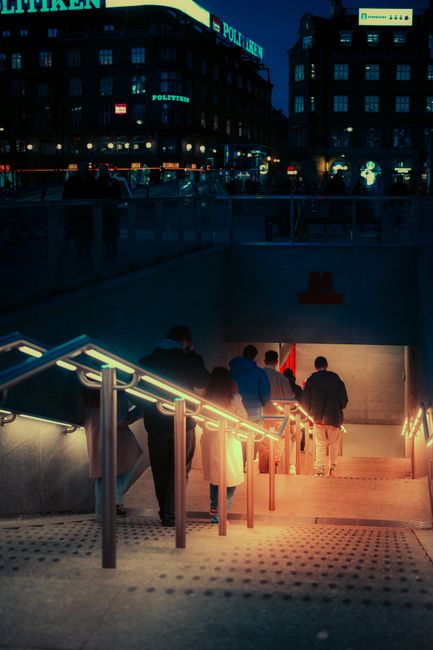
Tickets and fares (approx. in euros):
– Single ticket zones 1–2: ≈ €3.00 (≈24 DKK).
– Single ticket for 3 zones: ≈ €4.50 (≈36 DKK).
– Trip to the airport (zones 1–4 depending on origin): ≈ €5.00 (≈40 DKK).
– City Pass 24h: ≈ €12–14 (varies by zones).
Buy at station machines, via the DOT Tickets app, or choose a Rejsekort (a reloadable card useful for longer stays). Contactless card and mobile payments are widely accepted.
Practical local tips:
– Rejsekort: handy for extended stays; the card automatically deducts the correct fare for your trip.
– Luggage: elevators and wide platforms are available, but avoid peak times if you have large suitcases.
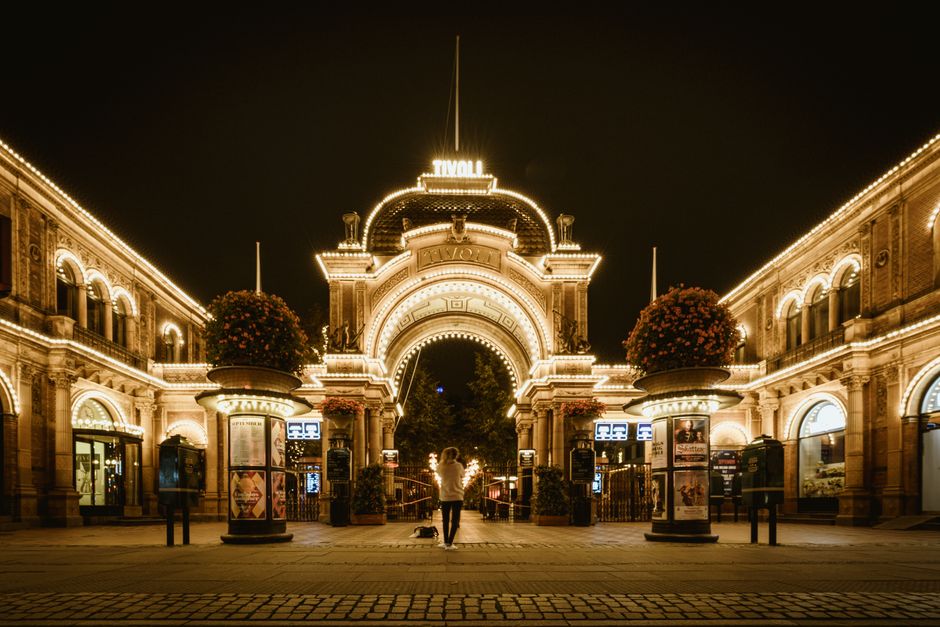
– Bikes: most stations have bike parking; folding bikes are allowed on the metro outside peak hours.
– Accessibility: all stations have elevators and English signage.
– Safety: Copenhagen is safe, but keep an eye on belongings in busy spots (Nørreport, Central Station).
Route Planning: Practical One- and Two-Day Examples
Example 1 — Half-day itinerary (historic center):
– Start: Copenhagen Central Station (Bernstorffsgade 16).
– Take M3/M2 to Nørreport (2 min), walk to Rosenborg (Øster Voldgade 4A) — visit 1–1.5 h.
– Return to Nørreport, take M3 to Kongens Nytorv — stroll to Nyhavn (Nyhavn 1–71), lunch on a terrace (~€15–25 depending on the restaurant).
– End of day: Tivoli Gardens (Vesterbrogade 3) is a 10-minute walk from Central Station, entry ≈ €16.
Estimated total time: 4–6 hours. Transport budget: zones 1–2 single ticket ≈ €3.00.
Example 2 — Airport + modern districts (arrival/departure):
– Arrive at Copenhagen Airport (Lufthavnsboulevarden 6). Take M2 to Kongens Nytorv (about 15–20 min).
– Drop bags at a luggage storage near the center (options around Central Station), visit Christiansborg (Prins Jørgens Gård 1).
– Take M4 to Nordhavn for waterfront walks and to reach the Blue Planet (connections/ferry depend on season).
Airport fare: about €5.00 for the trip into the center. Allow 30–60 minutes margin for airport checks when returning.
Conclusion: Why the Metro Is the Best Way to Discover Copenhagen
Copenhagen’s metro combines speed, frequency, accessibility and coverage of main sights, making it a top choice for travelers. Its automated operation ensures frequent, reliable service 24/7, letting you plan efficient days whether you’re on a short weekend trip or a longer business stay. Lines M1, M2, M3 and M4 cover the historic center, modern peripheral neighborhoods and the airport, making transfers quick and straightforward.
For visitors, the key is to pair the DOT zone map with a mobile app (DOT Tickets) and/or a Rejsekort to save on multiple trips. Must-see attractions — Tivoli Gardens (Vesterbrogade 3), Nyhavn (Nyhavn 1–71), Rosenborg (Øster Voldgade 4A), Christiansborg (Prins Jørgens Gård 1) and the Little Mermaid (Langelinie, 2100 København Ø) — are all within easy reach from a metro station after a short walk or quick transfer. The prices shown (in euros) are estimates based on exchange rates and DOT fares; always check current rates before you travel.
Finally, adopt a few local habits: travel light during peak hours, use electronic tickets to save time, and take advantage of facilities like elevators and bike parking. With these tips, the metro becomes more than transport — it’s a practical, efficient and distinctly Scandinavian part of your Copenhagen experience.