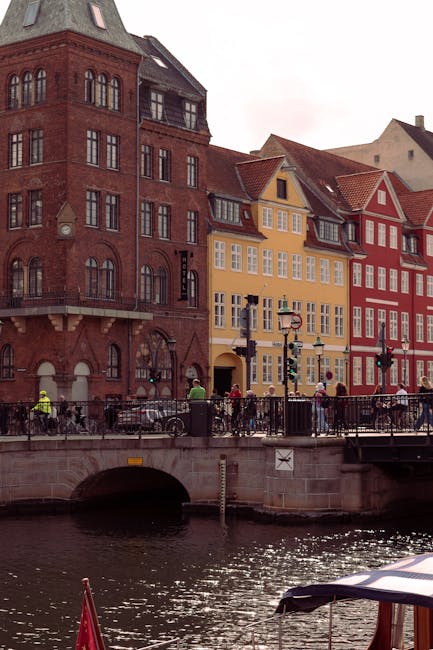





Introduction — Christianshavn Off the Beaten Path: Quiet Canals and Artist Studios
Christianshavn is one of Copenhagen’s most evocative neighborhoods: shimmering canals, softly painted facades, moored boats and a stretch of artist studios that have turned old warehouses into creative hubs. The area blends maritime history, artistic experimentation and a village-like vibe right in the heart of a modern capital. While hurried visitors often limit themselves to nearby highlights (Nyhavn, Strøget, Tivoli), Christianshavn hides a network of micro-spots — tiny galleries, floating cafés, quiet footbridges and community gardens — that tell a different story of Copenhagen: one of slow living, grassroots initiatives and creativity forged between water and stone.
This guide intentionally focuses on the off-the-beaten-path experience: how to get delightfully lost in the lanes, where to find artist open studios, which boats to rent for a silent glide down the canals, and how to connect with local makers. You’ll find exact addresses, practical info (opening hours, prices in euros), immersive descriptions and local tips to turn a simple stroll into a sensory immersion. The aim is twofold: help you plan an independent visit and give you the keys to discovering everyday life for locals, craftspeople and creators.
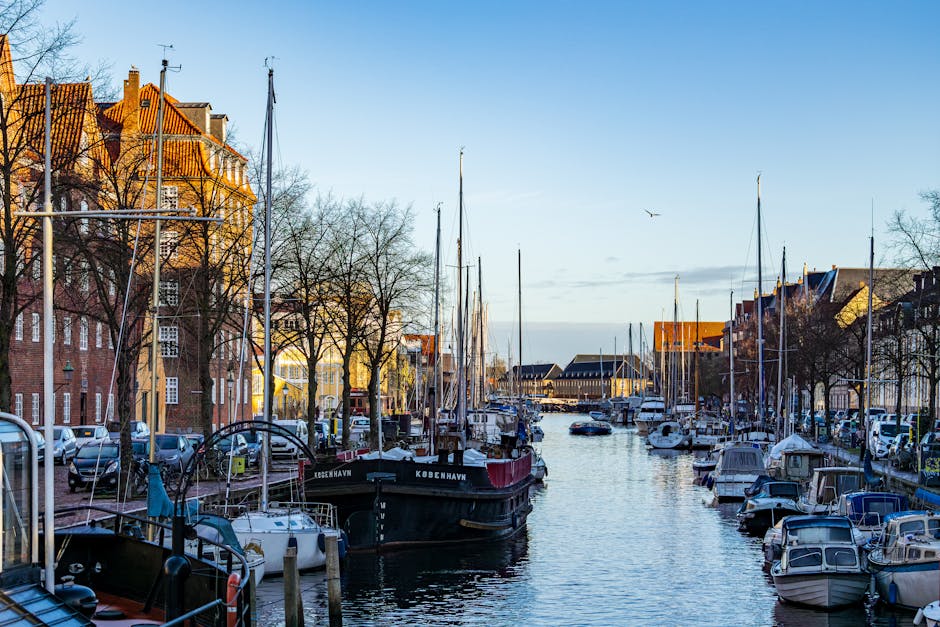
Christianshavn reads first and foremost at the canal scale: the quays — Overgaden oven Vandet and Overgaden neden Vandet — act like two lines you follow along the water, opening onto cafés, small studios and visual stops. A few steps away, the spiral tower of Vor Frelsers Kirke (Church of Our Saviour) punctuates the skyline. To the northeast, the former port area of Refshaleøen houses Copenhagen Contemporary — a large contemporary art hall — and hangars turned into restaurants and creative spaces. At the center, Freetown Christiania is another microcosm: a self-managed zone rich in murals, craft shops and studios.
Expect slow itineraries, tasty pauses at local bakeries, recommendations for kayak or canoe rentals, addresses for temporary exhibitions and concrete tips on talking to artists and joining workshops. Prices are listed in euros as approximate conversions; opening hours reflect high-season norms and exclude public holidays — check online before you go. Finally, several local etiquette tips (respecting neighbors, photography, behavior in self-organized spaces) will help you move through these places where tourism and daily life mingle, with respect and ease.
Getting Lost Along the Canals: Routes and Must-See Stops
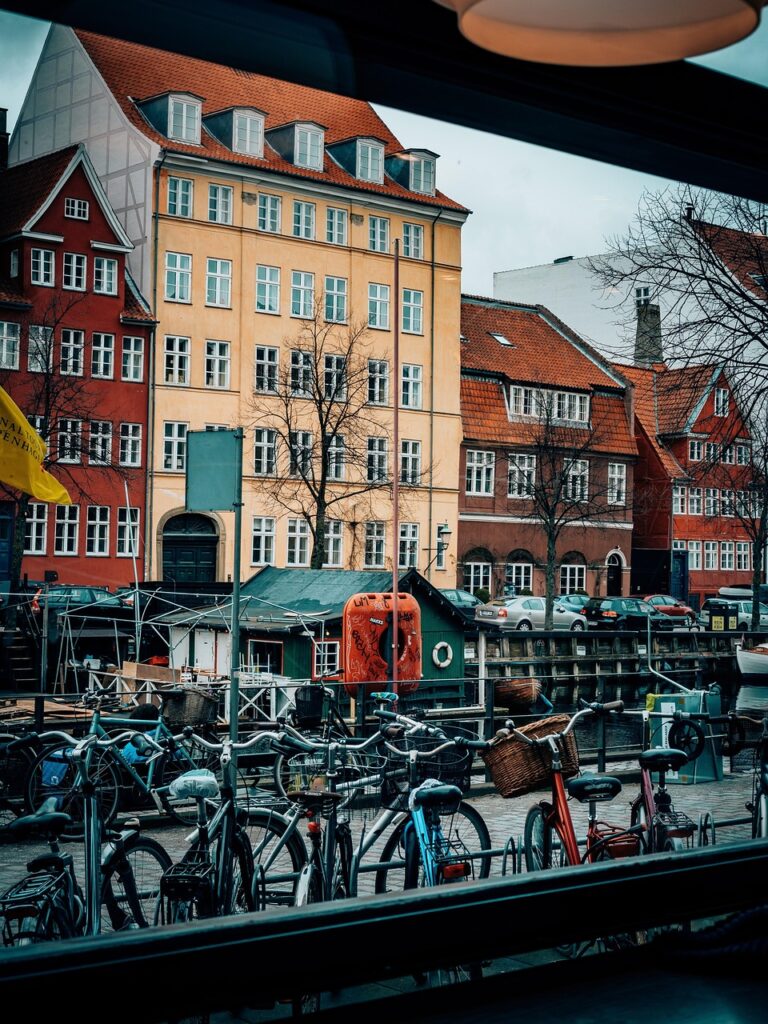
Start by walking both banks of the main canal: Overgaden oven Vandet and Overgaden neden Vandet. Low facades, steps that nearly meet the water and mooring rings dot the scene. Unlike Nyhavn, the vibe here is more residential; wooden planters, locked-up bikes and dozing cats make you feel like you’re wandering through a floating village. A well-paced canal walk takes between 1.5 and 3 hours if you stop at cafés and studios.
Recommended stopping points:
- Christianshavns Kanal (Christianshavn Canal) — Main promenade along Sankt Annæ Gade toward Torvegade. No single address; between Sankt Annæ Gade and Torvegade, 1400 København K. Atmosphere: quays lined with small houseboats, anglers, and artists painting by the water. Tip: misty mornings = perfect light for photos and watercolors.
- Vor Frelsers Kirke (Church of Our Saviour) — Sankt Annæ Gade 29, 1416 København K. Typical opening hours: daily 10:00–17:00 (seasonal variations). Admission: around €5.50 to climb the tower (about 40 DKK). Description: an exterior spiral tower you can climb for panoramic views of Christianshavn and Copenhagen. Local tip: go early in the morning to avoid queues and the wind on the upper platform.
- Broen ved Torvegade (Torvegade Bridge) — Torvegade, 1400 København K. A crossing point between Christianshavn and Indre By. Atmosphere: small stalls, fishers and travelers waiting for the bridge level to change when boats pass.
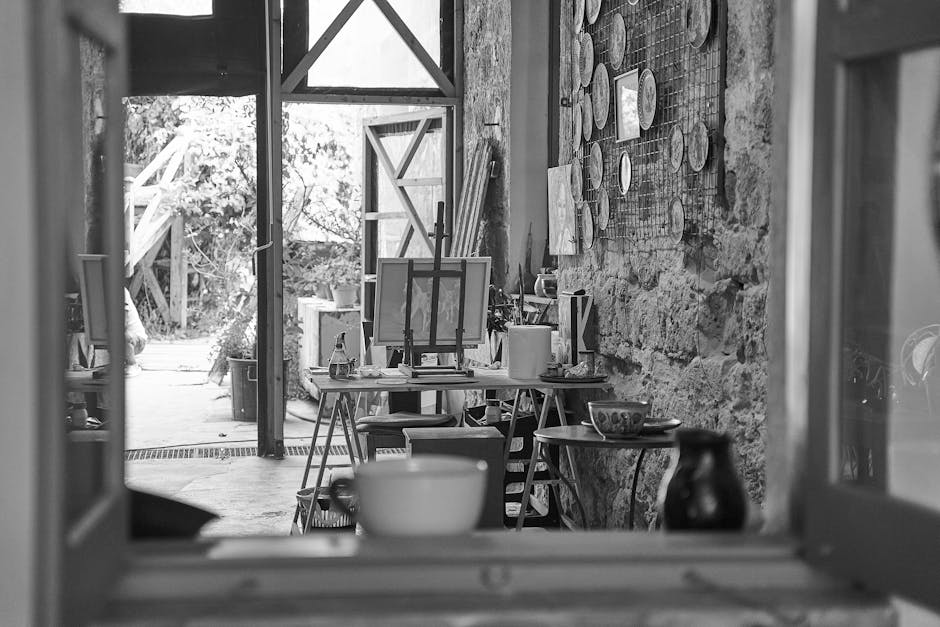
As you wander, look out for small studios tucked behind discreet facades: ceramics, screenprinting, furniture restoration workshops and painting studios. Many open their doors occasionally during local events (open studios, « åbent værksted »). To find these dates, check posters in cafés or the Instagram pages of local galleries. Practical tip: visit during quieter hours (10:00–12:30) to chat with artists without interrupting classes or private sessions.
Freetown Christiania: Urban Art, Studios and Rules to Know
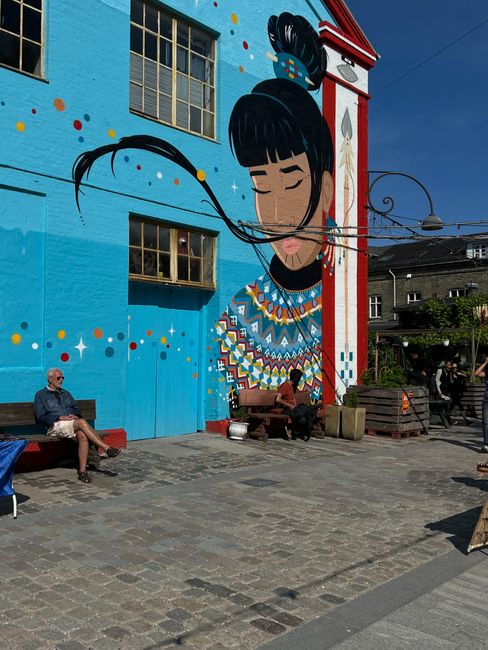
Freetown Christiania (Prinsessegade 100, 1422 København K) is one of Copenhagen’s most polarizing and fascinating places. Born from an occupation of old military grounds in the 1970s, Christiania is now a cultural micro-system where galleries, studios, community cafés and ecological initiatives coexist. Admission is free; some studios and galleries operate on separate opening hours — the best approach is to stroll, watch for « OPEN » signs and step in after asking politely.
Practical information:
- Address: Prinsessegade 100, 1422 København K. Entry: free.
- Hours: most spaces are open between 10:00 and 18:00, but many close on Sundays or have reduced hours. Cafés and bars often stay open later (22:00–02:00 depending on season).
- Prices: participatory workshops (painting, weaving) typically range from €10 to €30 depending on duration and materials. Informal guided walks led by residents are often offered for €7–15 (50–100 DKK).
What to see and do:
- Galleri Støberiet (temporary exhibition space) — check the local program; often free or a small suggested donation (€3–6).
- Loppemarked (Christiania flea market) — stalls selling handmade crafts, upcycled furniture, vinyl records: prices vary and haggling is common.
- Artist studios — many studios open to the public during « open studio » events. Tip: offer a small contribution (€5–15) if you buy a piece or take part in a workshop to support the project.
Rules and etiquette:
- Photography: respect « no photos » signs, especially in Pusher Street; avoid photographing people without permission.
- Consumption: Christiania has local rules; if you want to eat or drink, choose cafés and official stalls. Avoid buying or using illegal substances and respect private spaces.
- Respect neighbors: many people live on site — keep noise down at night; indoor open fires are rare.
Christiania is a hotbed of cultural initiatives: music workshops, printmaking studios, food cooperatives and shared gardens. Taking a workshop or buying a local creation is the best way to support the community. If you prefer a more formal guided visit, ask local associations — several offer tours for €10–20 that include history and street art insights.
Copenhagen Contemporary and Refshaleøen: Large-Scale Art and Industrial Studios
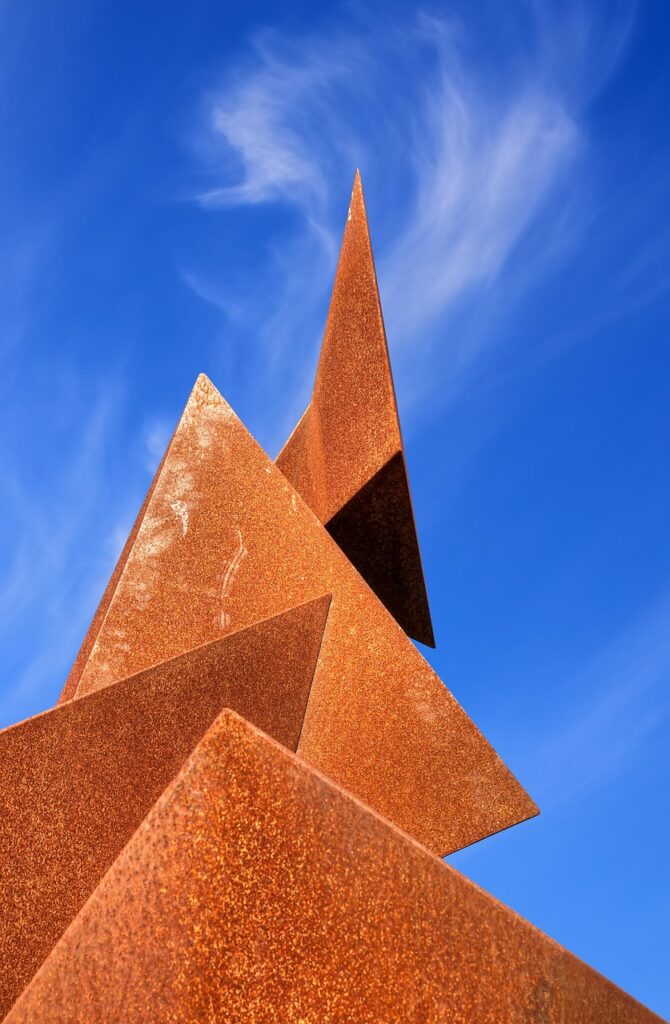
East of Christianshavn, the former industrial zone of Refshaleøen has been reshaped into a creative peninsula where large contemporary shows sit alongside restaurants, rehabilitated shipyards and artist workshops. The main cultural draw is Copenhagen Contemporary (CC), a vast exhibition hall that hosts immersive installations and large-scale works.
Copenhagen Contemporary — practical info:
- Address: Refshalevej 173, 1432 København K.
- General hours: Tuesday–Sunday 11:00–17:00 (closed Mondays). Check temporary exhibitions; sometimes open later for special events. Phone: +45 3311 3220 (verify on site).
- Admission: around €14.50 for an adult ticket (110 DKK). Reduced: €8–10 (60–75 DKK). Free on some Sundays or for educational programs (check the calendar).
Why visit: CC’s industrial scale allows for sound, performance and sculptural works you won’t find in smaller galleries. The big warehouses around Refshaleøen also house fabrication workshops, sculpture studios and creative businesses that open their doors during events like « Open Refshaleøen » to showcase residents’ work.
Other stops on Refshaleøen:
- La Banchina (pier café) — Refshalevej 141C, 1432 København K. Hours: seasonal; generally open 09:00–18:00. Café and light bites. Tip: perfect for a coffee by the water after visiting CC.
- Workshop hangars — addresses vary; often marked by painted doors and posters. During « Open Studios » expect to find printmaking, glassblowing and woodwork studios.
Getting to Refshaleøen: it’s a 20–30 minute walk from Christianshavn following the waterfront, or take a local bus (check lines 9A/350S depending on season). Biking is recommended: the route is flat and safe, and there are plenty of bike racks at Refshaleøen’s entrance.
Artist Studios and Intimate Galleries: Where to Knock on the Door
Often it’s the small painted doors, windows covered with colored paper and metal bells that give away artists’ studios in Christianshavn. Unlike downtown galleries, these spaces are discreet, occasional and usually self-managed. They feature sculpture, ceramics, textile printing and limited editions. Public openings cluster around certain days of the month — notably local art weekends.
Addresses and places to watch for:
- Overgaden Kulturhus (cultural house) — Overgaden oven Vandet 10, 1415 København K. Often used for exhibitions and community workshops. Hours: variable; weekends 11:00–16:00 during events. Entry: usually free.
- Atelier studios (artist collective) — zones along Overgaden neden Vandet, numbers vary; look for « Atelier » signage on doors and windows. Studio visit price: free but contributions welcome if you attend a workshop (€10–25).
- Pop-up galleries in guard houses — small spaces converted into ephemeral galleries; often announced on local Facebook or Instagram pages.
Tips for approaching a studio:
- Enter politely: knock softly and wait to be invited in.
- Ask before taking photos — some artists sell prints or numbered editions.
- Bring some euros: most accept cards, but small cash is sometimes preferred for low-cost items.
Joining a workshop: many studios offer short sessions (1–3 hours) to learn a technique: screenprinting (about €25–45), raku ceramics (€45–80 depending on firing), printmaking including pull proofs (€30–60). Sign-ups often happen on site or via collectives’ social channels. If you travel as a couple or small group, contact the studio ahead to reserve and arrange a dedicated session.
Cafés, Bakeries and Small Spots for a Local Break
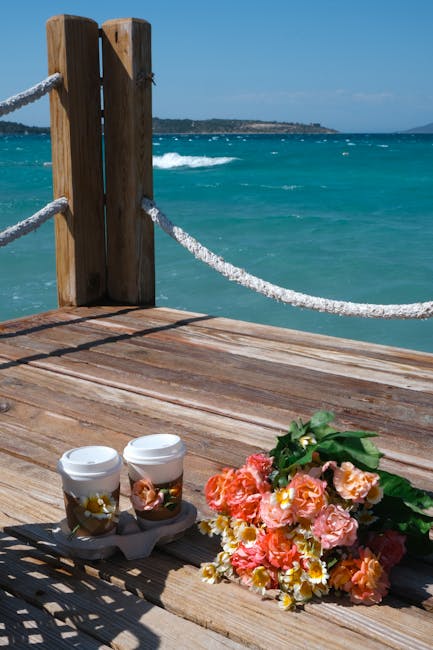
Food breaks in Christianshavn tend to be informal: takeaway coffee, flaky pastries and tiny wooden tables by the canal. Here are tried-and-true spots to soak up the local rhythm.
- La Banchina — Refshalevej 141C, 1432 København K. Type: pier café. Hours: often 09:00–18:00 (seasonal). Prices: espresso €2.50–3.50; pastries €3–6. Description: a small wooden café with friendly service and benches on the pier to watch the kayaks.
- Bageriet i Christiania (The Christiania Bakery) — Prinsessegade (Christiania entrance), 1422 København K. Hours: 08:00–16:00 (check weekend variations). Prices: pain au chocolat €2–3; sandwiches €5–7. Description: artisanal bread, community recipes—great for a simple breakfast before exploring.
- Café Wilder — Christianshavns Kanal area, address varies; often open 08:00–18:00. Prices: brunch €10–16, coffees €3–4. Description: cozy vibe, mixed crowd of students and artists.
Local tip: if you spot a queue outside a small bakery, join it — the essentials (kanelsnurre, spandauer) sell out fast. Take your coffee to the canal and hunt for sunny benches; early morning (08:30–10:00) is the best time to enjoy low-angle light and reflections on the water.
Getting Around and Practical Tips: Bike, Boat, Weather and Local Respect
The best ways to get around Christianshavn are by bike or on foot. Distances are short, cycle lanes abundant and the flat terrain makes any ride accessible. For a different, peaceful view, rent a kayak or small rowboat to explore the canals from the water.
Transport options and approximate costs (in euros):
- Bike hire (day rate): €8–15 per day (rental services near Christianshavn and the central station). Bookable via local apps.
- Kayak / canoe hourly rates: €8–12 per person for 1 hour; half-day €18–30. Common launch points: Christianshavns Kanal, pontoon near Torvegade.
- Guided boat trip (small local operator): €12–20 for 1 hour, often departing from Christianshavn/near Torvehallerne in season.
Weather and clothing tips:
- Wind and rain: Copenhagen is exposed to sea winds — bring a waterproof windbreaker and layering. Even in summer, pack a light jacket.
- Shoes: choose closed shoes with good grip if you’ll be walking on quays or wet planks.
- Respect: keep music low in residential areas, observe private signs in Christiania and use public bins — recycling is encouraged.
Safety and wellbeing: Christianshavn is generally safe, but as everywhere avoid leaving valuables visible on bikes and keep an eye on your belongings on the quays. If you rent a kayak, wear a life jacket and learn local water traffic rules. For medical emergencies dial 112; the nearest pharmacy is in Indre By or check local signage for directions.
Conclusion — Weaving Christianshavn into a Copenhagen Stay
Christianshavn is a neighborhood to be discovered slowly: wander its quays, have coffee on a pier, step into an artist’s studio and surrender to an afternoon without a tight schedule. For travelers attuned to textures and atmospheres, Christianshavn offers a valuable contrast to standard tourist routes; it’s a place where port history, artistic risk-taking and community self-organization meet.
To make the most of your visit, break it into small chunks: a morning for the Vor Frelsers Kirke climb and a canal walk, an afternoon in Christiania for street art and workshops, then a half-day on Refshaleøen for large-scale exhibitions and waterfront dining. Renting a bike to reach Refshaleøen and the riverbanks is a smart move; also consider booking popular workshops or kayak rentals in advance during high season.
Finally, remember the local mindset: curiosity, respect and small contributions. Buying a little artwork, joining a workshop or simply having a coffee at a community bakery are gestures that nourish the local economy and extend human exchange beyond mere tourism. Christianshavn rewards visitors who take their time — the quiet canals, painted walls and intimate studios tell stories you only hear when you linger a little longer. Enjoy your discovery, and let the light on the water guide your steps.