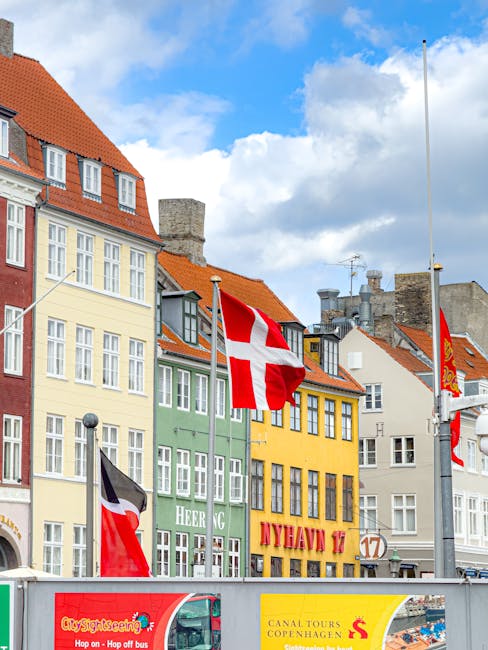






Introduction — Why a 48-hour food itinerary in Copenhagen
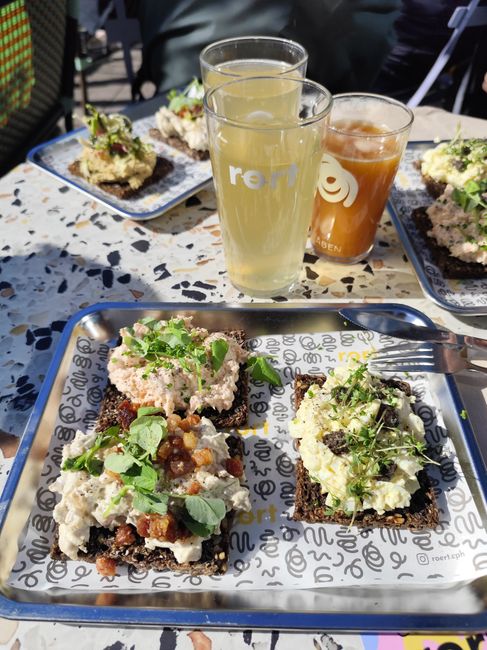
In just a few decades Copenhagen has become one of Europe’s most exciting playgrounds for food lovers: from inventive Nordic cuisine to a thriving specialty coffee scene and the enduring tradition of smørrebrød (the classic open-faced sandwich), the Danish capital delivers a dense, delicious experience for an intense 48 hours. This guide is designed for travelers short on time who want to taste, feel, and understand the local food scene without sacrificing quality or pleasure. Expect stops at covered markets, specialty coffee shops, traditional sandwich counters and contemporary spots where Nordic precision meets unexpected warmth.
Over two days you’ll wander classic neighborhoods — Indre By, Nørrebro, Vesterbro, Christianshavn — combining tastings, quick workshops and essential coffee breaks. The recommendations include exact addresses, price ranges in euros, typical opening hours and practical tips to skip lines and make the most of your time. Smørrebrød, ranging from a simple piece of pickled herring to elaborate compositions with foie gras or crayfish cream, will be at the heart of this route. You’ll also learn where to find the best rye bread, where to get a flawless espresso and which market stalls sell the freshest local produce.
This guide targets a general audience: not exclusively haute cuisine nor strictly budget, but for anyone curious to taste Copenhagen. Prices are estimates converted to euros for easier planning. Hours reflect common practice — always double-check before you go as owners may change times with the season. You’ll also find local tips to get the most from each stop: what to order, what to share, how to pay (most places accept cards; keep a small amount of cash for markets) and how to move quickly between spots by public transport or bike.
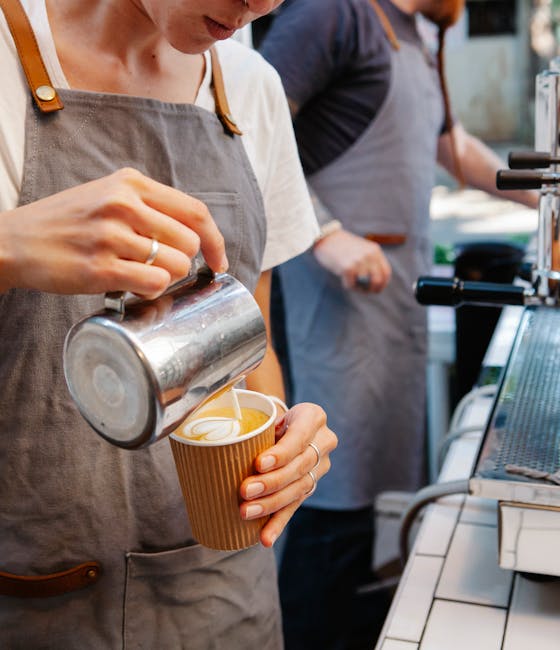
1. Arrival and first coffee: The Coffee Collective, Torvehallerne
The Coffee Collective – Torvehallerne, address: Frederiksborggade 21, 1360 København K. Opening hours: Mon–Sat 08:00–18:00, Sun 10:00–16:00. Prices: espresso €2.50–3.00; filter €3.50–4.50. This emblematic specialty coffee stall is located inside Torvehallerne market — the perfect place to kick off your 48 hours. The baristas source traceable lots and roast locally in Denmark. Expect V60s, Aeropress and clean, bright espressos with citrusy but balanced profiles. Vibe: short morning queues, lively conversations between locals and visitors.
Local tip: arrive between 09:00 and 10:30 to avoid the lunch rush. Order a « filter coffee » to savor the floral notes typical of Scandinavian roasts; grab a small kardemomme cone (cardamom bun) from Torvehallerne Bageri to go with it. Card payments accepted. Easily walkable from Nørreport Station (2 minutes).
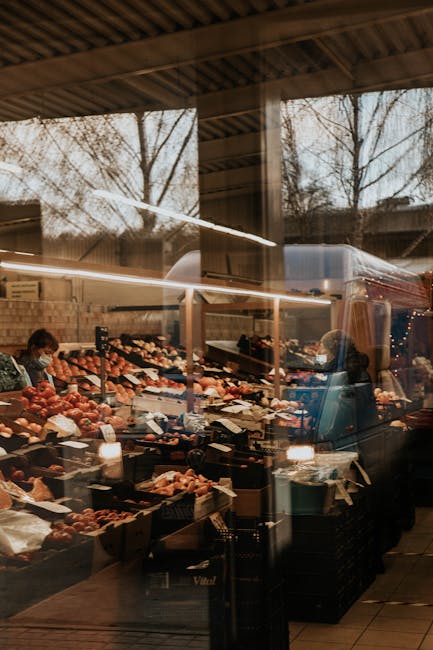
2. Essential covered market: Torvehallerne
Torvehallerne Market, address: Frederiksborggade 21, 1360 København K. Opening hours: Mon–Sat 10:00–20:00, Sun 10:00–18:00 (hours may vary by vendor). This modern indoor market brings together local producers, delis, cheesemongers and high-end street food stalls. You’ll find smoked fish, gravlax, Nordic charcuterie and fresh herbs — perfect for a tasting stroll or gourmet shopping.
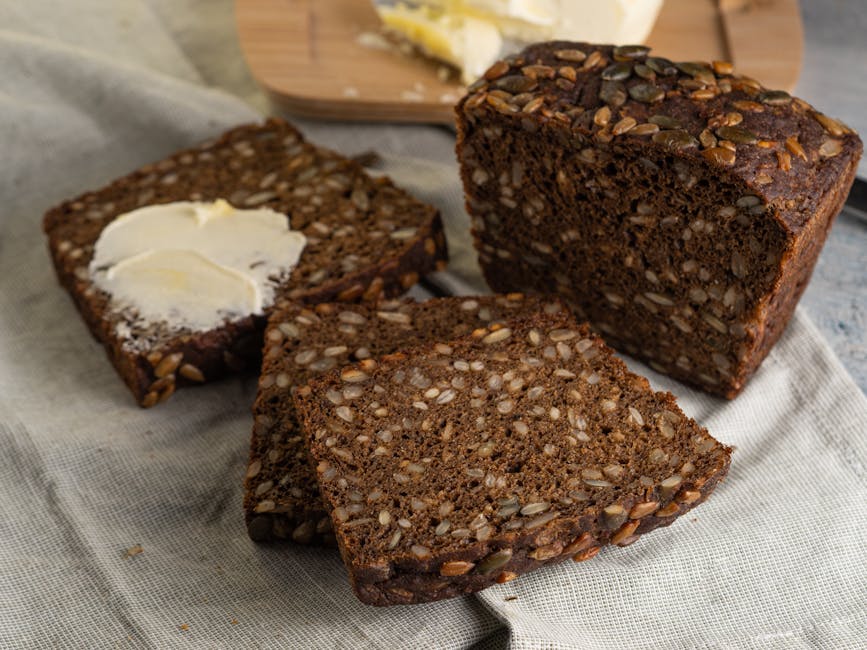
Price indicators: smørrebrød at Hallernes Smørrebrød €8–12; poke/fish bowls €9–14; artisanal cheese tasting portions €4–8. Describe your preferences to the vendor — many will offer small portions to sample. Torvehallerne is also the best place to buy artisanal rye bread, essential for smørrebrød; expect €4–6 per loaf. Vendors speak English; take time to ask about ingredients and seasons: you’ll see sea herbs, candied beets and Nordic fish specials.
3. First proper lunch: Restaurant Schønnemann
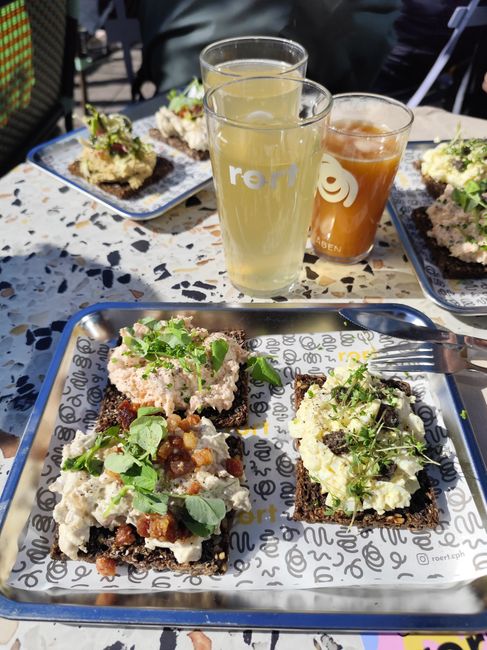
Restaurant Schønnemann, address: Hauser Plads 16, 1127 København K. Opening hours: Tue–Sat 11:00–16:00, closed Sun–Mon. Prices: individual smørrebrød €10–16; no typical tasting menu at lunch. Schønnemann is a smørrebrød institution: historic setting, wood-paneled interior, warm service. Classic options include pickled herring, roast beef and creamy herring roe, all served on buttered rye bread.
Tip: arrive early or book the day before (phone +45 33 12 54 13) to avoid queues; cards accepted. Order 2–3 smørrebrød to share and pair with a small Danish beer (Carlsberg or a local brew, €4–6). Staff will walk you through each topping — listen to their guidance on tasting order (from lighter to richer) for a balanced experience.
4. Sweet stroll: Meyers Bageri
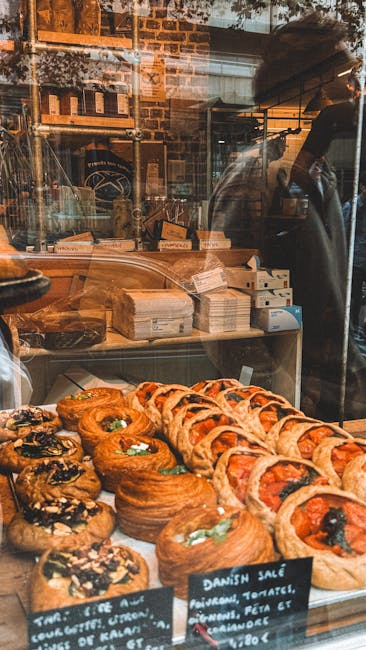
Meyers Bageri, address: Jægersborggade 41, 2200 København N (flagship café) and several locations including Frederiksborggade 4, 1360 København K. Opening hours: vary by shop, typically 07:00–18:00. Prices: pastries €2–4; specialty loaves €3–6. Founded by chef Claus Meyer, Meyers Bageri serves sourdough breads, kouign-amann and high-butter pastries. Perfect for an afternoon break or a take-away snack.
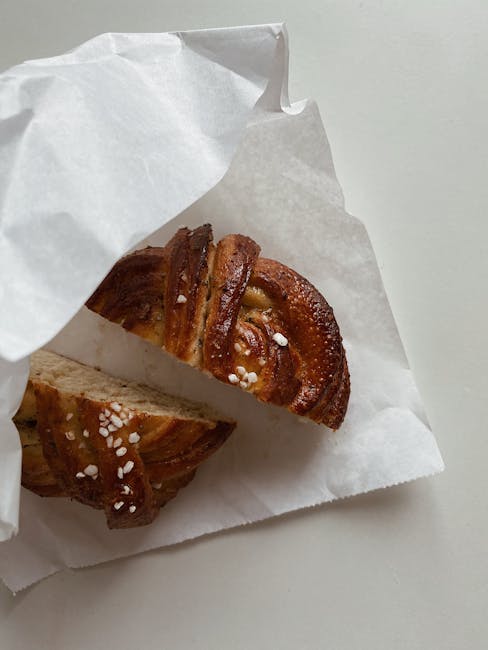
Local tip: try the kanelsnegl (cinnamon snail) and a sourdough rye loaf to pair with smørrebrød later. Shops accept cards; some host occasional workshops (book ahead). If you’re in Jægersborggade, take the chance to explore nearby cafés and small shops in Nørrebro.
5. Local market stop: Israels Plads and pop-up stalls
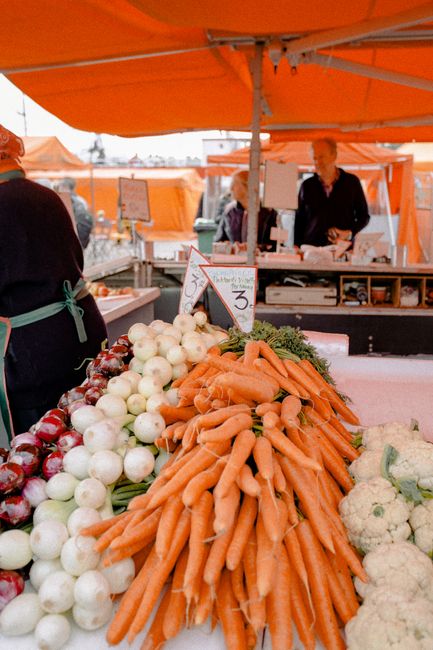
Israels Plads (public square), address: Israels Plads, 1368 København K. Opening hours: pop-up stall hours vary, food markets often 08:00–15:00 on market days. Adjacent to Torvehallerne, this space sometimes hosts producers and temporary stalls — great for meeting makers and sampling seasonal produce: root vegetables, fresh goat cheese and Nordic charcuterie.
Prices: shared tasting portions €3–8; bags of veg €2–5. Tip: talk directly to producers to learn how they’d cook what you buy — Danes love practical advice. Bring a reusable bag: many stalls avoid plastic bags. If you find traditionally smoked fish, grab some for an impromptu picnic.
6. Alternative lunch: Aamanns 1921 (modern smørrebrød)
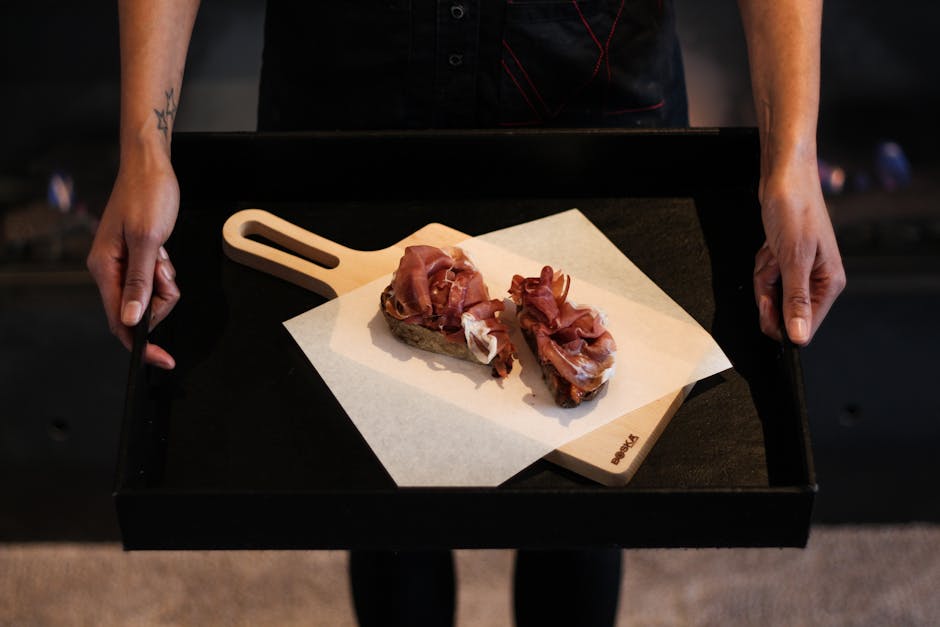
Aamanns 1921, address: Øster Farimagsgade 10, 2100 København Ø (main office); Aamanns 1921 locations in Østerbro and Dronningens Tværgade 9, 1302 København K. Opening hours: generally 11:30–15:00 for lunch; dinner hours vary. Prices: smørrebrød €9–16; seasonal mains €18–28. Aamanns has reinvented smørrebrød in a modern, minimal style, often using refreshed Nordic ingredients: fermented beet, eel cream and wild herbs.
Reservations advised for lunch (phone or online). Bread is made locally and buttered with precision — texture and balance are key. Flavors are bold but well-calibrated; order a selection of three to taste the range. Drinks: craft beers and aquavit from €5–9. Portions are generous — ideal for sharing.
7. Coffee discovery: Democratic Coffee
Democratic Coffee, address: Krystalgade 15, 1172 København K (central spot). Opening hours: Mon–Fri 08:00–17:00, Sat–Sun 09:00–16:00. Prices: espresso €2.75; croissant + coffee combo €5–7. Famous for buttery croissants and quality coffee, this café is a must for pastry and espresso lovers. Minimal interior, lots of remote workers, focused atmosphere.
Tip: order a fresh-out-of-the-oven croissant and take a coffee to go if you want to stroll toward Strøget. The café often employs award-winning baristas — ask for recommendations based on how bright or acidic you like your cup. Card payments accepted.
8. Afternoon in Nørrebro: cafés and small spots
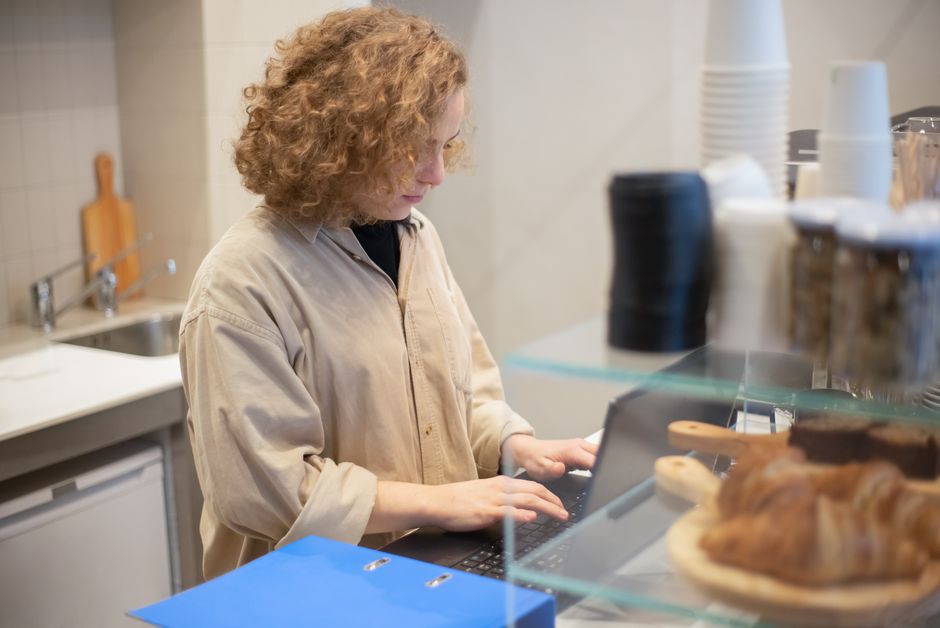
Nørrebro is one of the liveliest neighborhoods for coffee and street food. Walk along Jægersborggade and Elmegade to find micro-roasters, bakeries and tiny restaurants. One notable spot is Jægersborggade 50 where several gourmet shops coexist. Expect eclectic stores and menus that shift with the season.
Prices: small coffees €3–5; snacks and shared plates €6–15. Tips: explore the side streets for cafés like Rist eller Dø (a micro-roaster) and buy cheese from a local cheesemonger for a picnic. Nørrebro is perfect for spotting emerging food trends: world cuisine fused with local produce.
9. Tasting vendor: Hija de Sanchez (Nordic tacos)
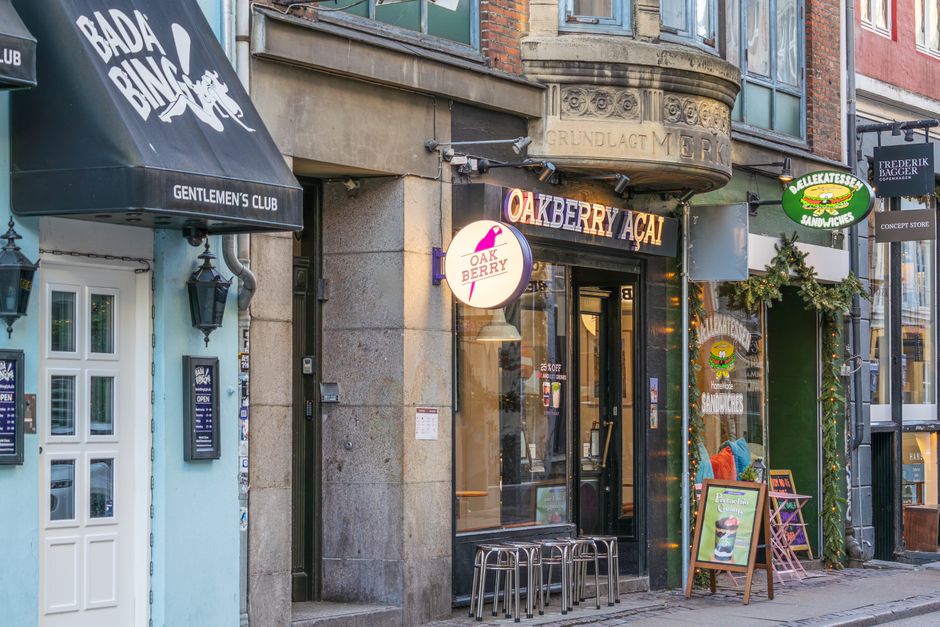
Hija de Sanchez, address: Flæsketorvet 10, 1711 København V (Meatpacking District) and other pop-up locations. Opening hours: variable, often 11:00–20:00. Prices: tacos €4–6 each; tasting menus €12–20. Although focused on tacos, this place reflects a fusion between global cuisines and Nordic ingredients: house tortillas, pork cured with Scandinavian techniques, and local herbs.
Tip: go for the taco of the day and pair it with a local beer. The Meatpacking District (Kødbyen) is lively in the evening with bars and small restaurants. Check their Facebook or Instagram for exact opening days.
10. Street food tasting: Reffen — Copenhagen Street Food
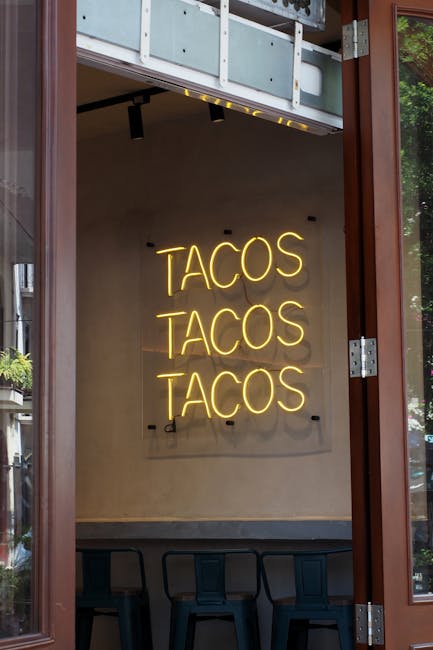
Reffen, address: Refshalevej 167, 1432 København K (Refshaleøen). Opening hours: seasonal; typically Fri–Sun 12:00–22:00, weekdays vary. Prices: street food dishes €6–14; shared plates €8–18. Reffen is a major street food hub on Refshaleøen: food trucks, world kitchens, craft drinks and harbor views.
Tip: buy a few small dishes to share and sample local reinterpretations. Bring a jacket — the waterfront can be cool even in summer. Most vendors accept cards; some prefer mobile payments. Reffen is great for a relaxed, festive evening.
11. Next-day brunch: Atelier September
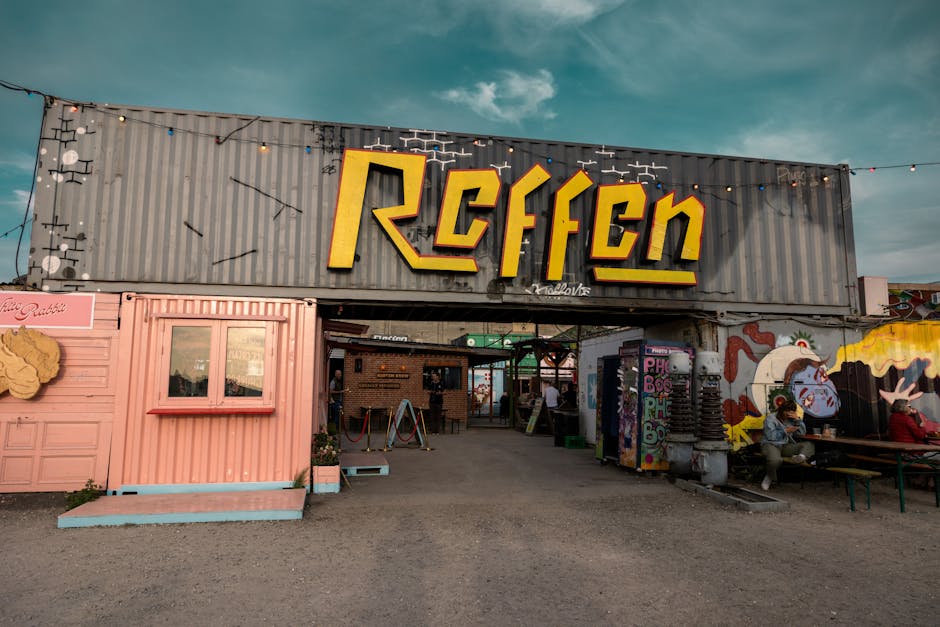
Atelier September, address: Gothersgade 30, 1123 København K. Opening hours: 09:00–16:00 daily (check for variations). Prices: brunch €12–20; coffee €3–4. This minimalist café-restaurant focuses on simple dishes made from fresh, seasonal ingredients: eggs, avocado, toasts and small salads. Clean décor and lots of natural light.
Local tip: arrive early on weekends to avoid the queue; the terrace is lovely in good weather. The menu changes frequently — ask staff about the day’s highlights. Ideal energy boost for day two.
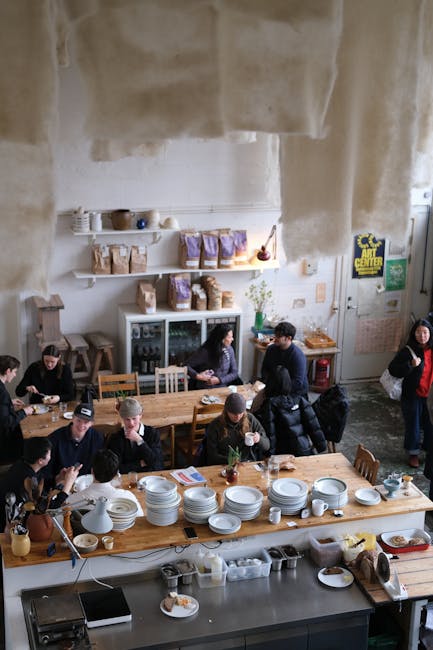
12. Organic market and local produce: Farmers Market at Israels Plads
Israels Plads Farmers Market (occasional), address: Israels Plads, 1368 København K. Opening hours: weekend markets generally 09:00–14:00. Prices: organic produce €2–8; snacks €3–7. You’ll find fresh eggs, bread and organic vegetables sold directly by producers. Great to see the importance of short supply chains in the city.
Tip: chat with producers to learn the best way to cook their goods. Buy a pack of local strawberries or fresh cheese for a light outdoor lunch.
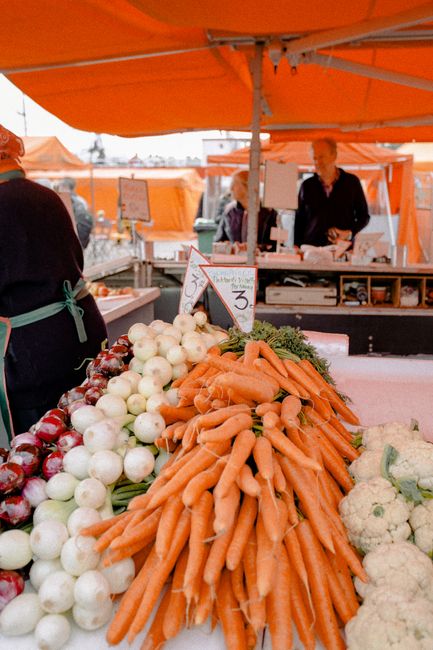
13. Meet the salmon: fishmongers and smoked fish stalls
Several fishmongers at Torvehallerne and along the canal serve smoked salmon and gravlax prepared in Scandinavian style. Key spots: Hallernes Smørrebrød (Torvehallerne), Fiskerikajen pop-ups. Prices: smoked salmon portions €6–12; sharing platters €12–20. Gravlax is often served with dill mustard, rye bread and red onion slices.
Tip: try different curing and smoking techniques — you’ll know a quality fish by its subtle sea aroma and tender texture. Bring a small knife to slice it for a picnic.
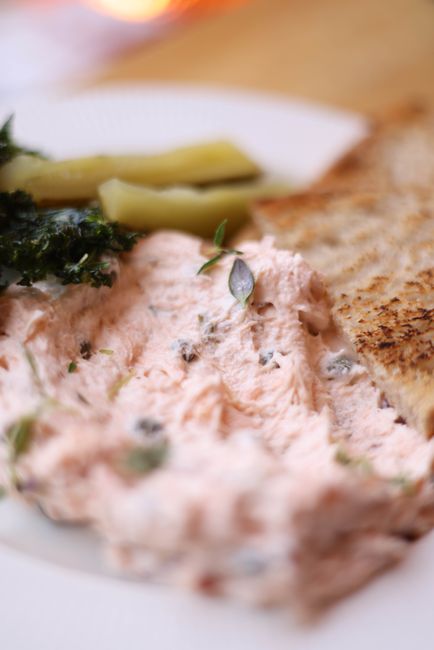
14. Sweet pause: ice cream and Nordic desserts
Danish desserts often lean on butter, cream and tart fruits. Look for local pastries like kringle, kanelsnegl or berry tarts. Prices: individual desserts €3–6. Many artisanal bakeries in Copenhagen offer vegan and gluten-free options.
Local tip: choose desserts with rhubarb, blackcurrant or blueberry for a true Nordic touch. Pair with a filter coffee to balance the richness.
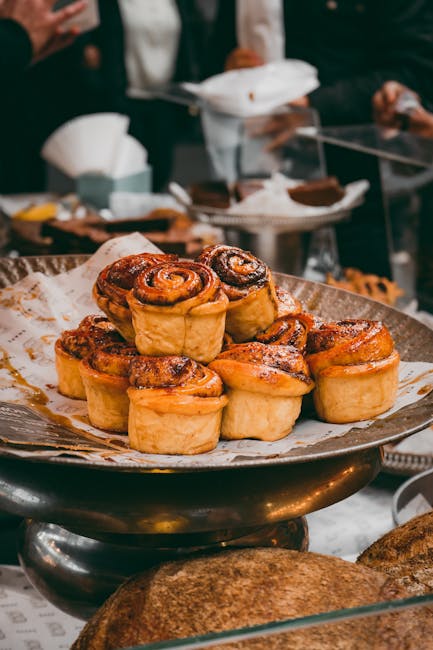
15. Light lunch: Grød (porridge and Nordic bowls)
Grød, address: multiple locations, flagship at Jægersborggade 50, 2200 København N. Opening hours: vary, typically 08:00–17:00. Prices: porridge bowls €6–10; savory dishes €8–12. Grød popularized modern porridge: sweet and savory versions made with local grains and creative toppings like nuts, berries and braised meats.
Tip: try a savory bowl with roasted vegetables and a poached egg for a comforting, nutritious lunch. A great alternative for those wanting a break from smørrebrød.
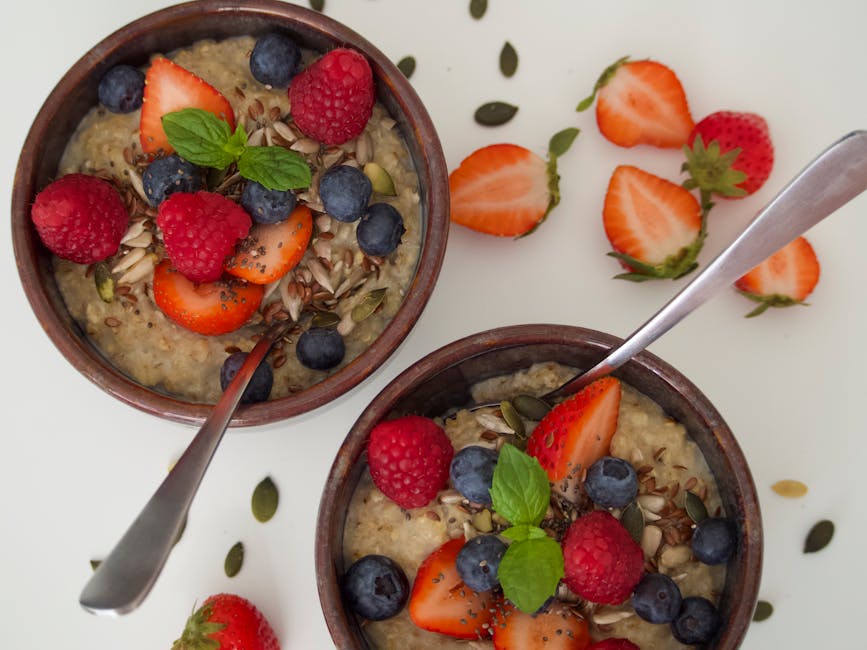
16. Quick workshop: learn how to build a smørrebrød
Several short workshops (45–90 minutes) are offered by culinary schools and restaurants: Aamanns sometimes runs private classes and Torvehallerne hosts demonstrations. Approximate price: €30–60 per person depending on the workshop. You’ll learn bread selection, buttering technique, ingredient order and pairing ideas.
Tip: book ahead, especially in high season. These sessions are perfect for leaving with practical skills and a few recipes to try at home.
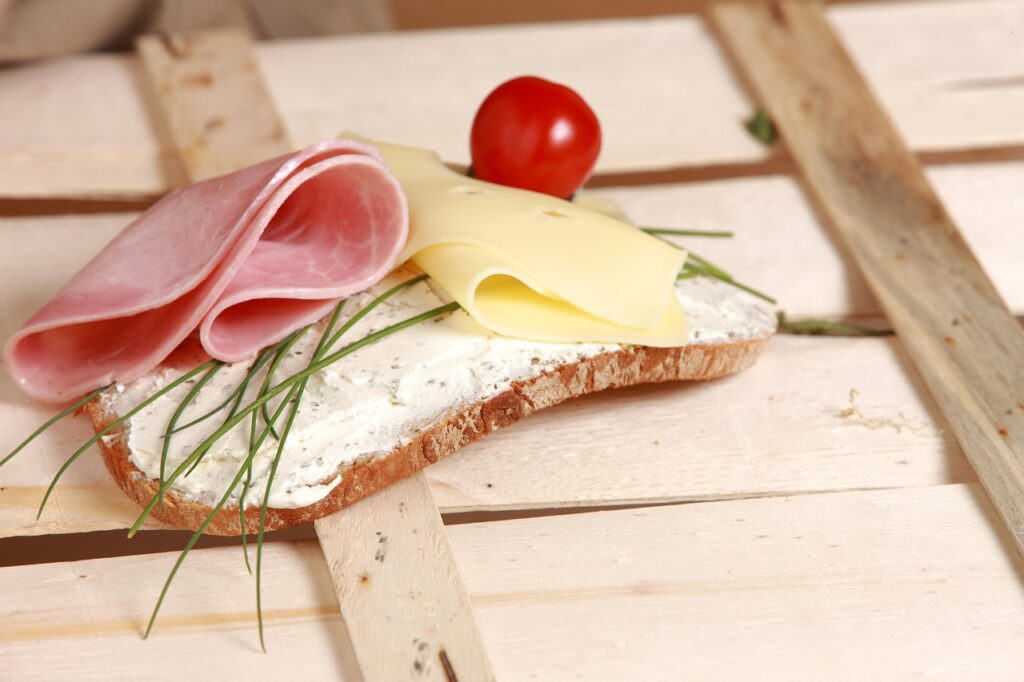
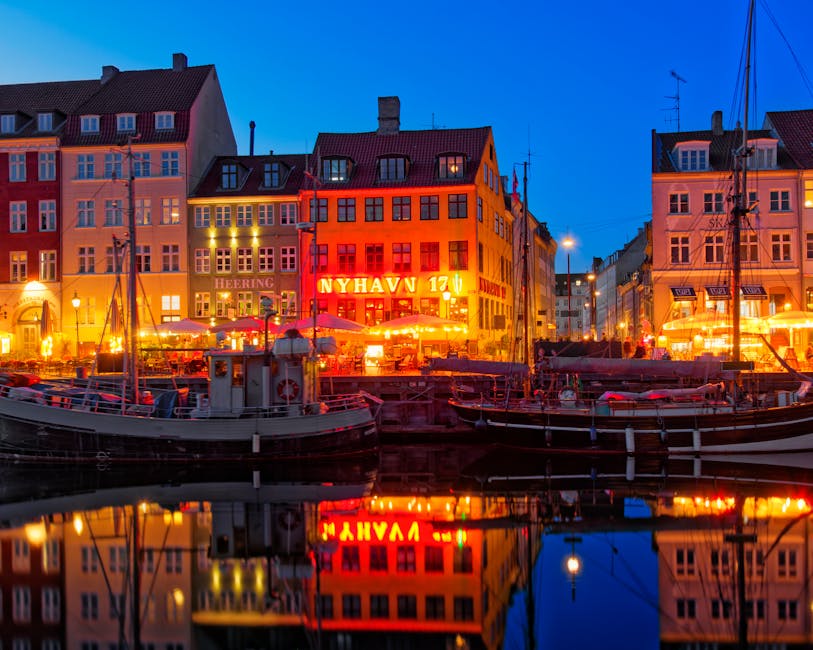
17. Waterfront aperitif: Nyhavn and its terraces
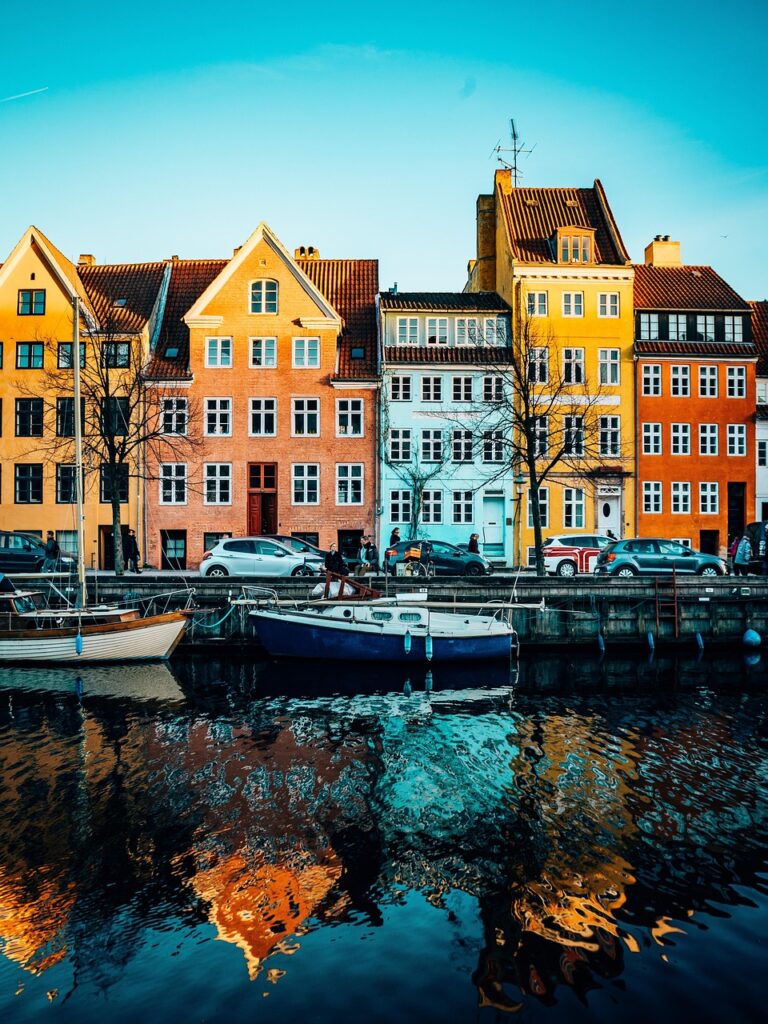
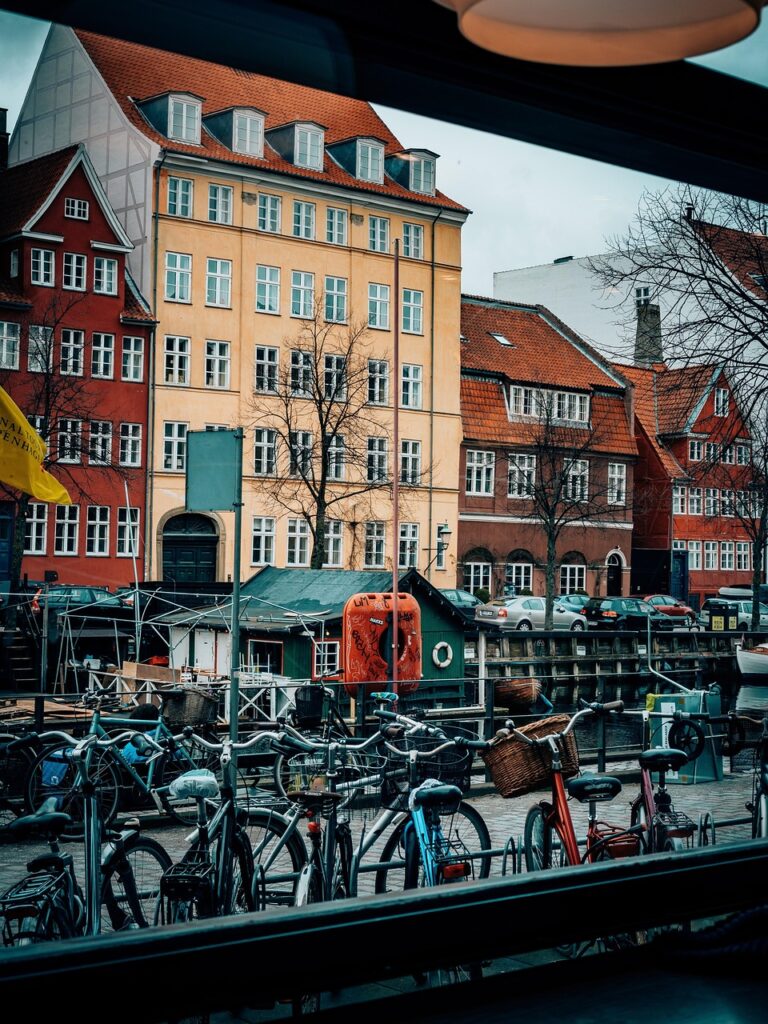
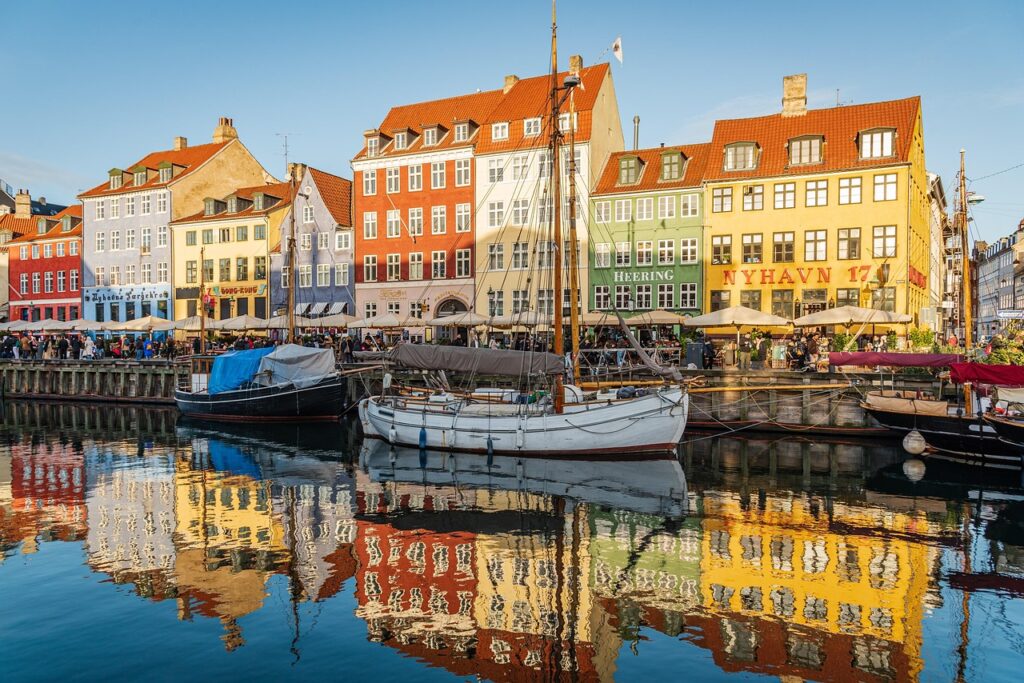
Nyhavn, address: Nyhavn canal, 1051 København K. Opening hours: terraces open daytime and evening (seasonal). Prices: beer €5–7; small tapas-style plates €6–12. Nyhavn is touristy but offers an iconic canal view with colorful houses. Terraces serve fish, shrimp and small shareable plates.
Local tip: avoid restaurants right on the quay if value is important; head to adjacent side streets for more authentic options. Late afternoon’s golden light on the façades is perfect for photos.
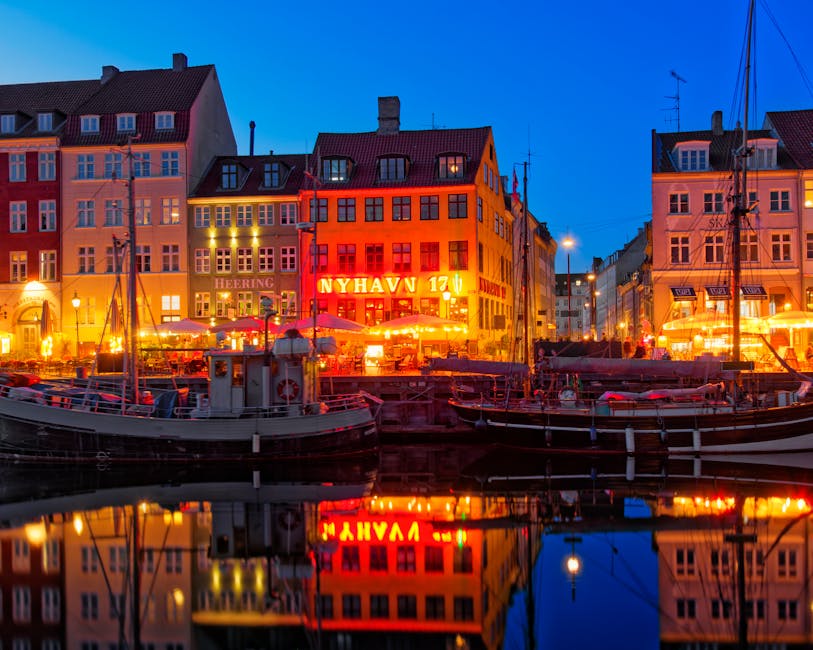
18. Mid-range dinner: a cozy local bistro
Pick a neighborhood bistro offering seasonal Nordic cooking: mains €18–28; 3-course menu €30–45. These places focus on local produce, root vegetables and the fish of the day. Atmosphere: warm, attentive service and well-sized portions.
Tip: ask for the catch of the day and let staff recommend a light Scandinavian wine or a local craft beer. Reservations recommended for dinner.
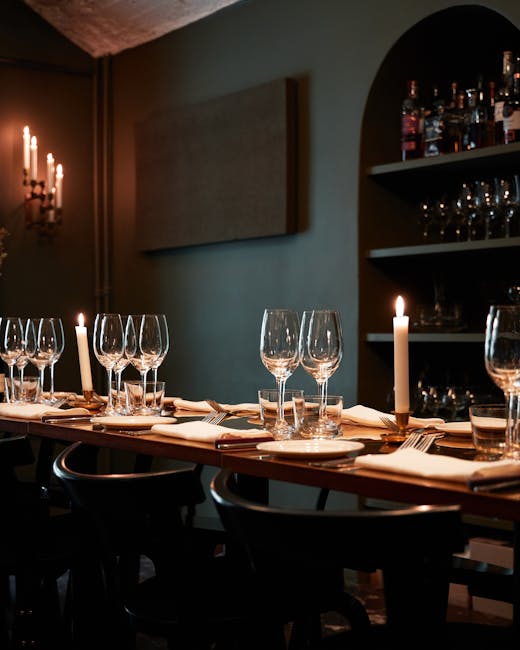
19. Sweet night: pastries to take for the morning
Before heading back to your hotel, buy a fresh pastry for the next morning. Prices €2–4. Bakeries close early, so plan this purchase before 20:00. Options include kanelsnegl, croissants, and marzipan-based sweets.
Tip: store pastries in the fridge if you have one; warm them slightly before eating to bring back the crispiness.
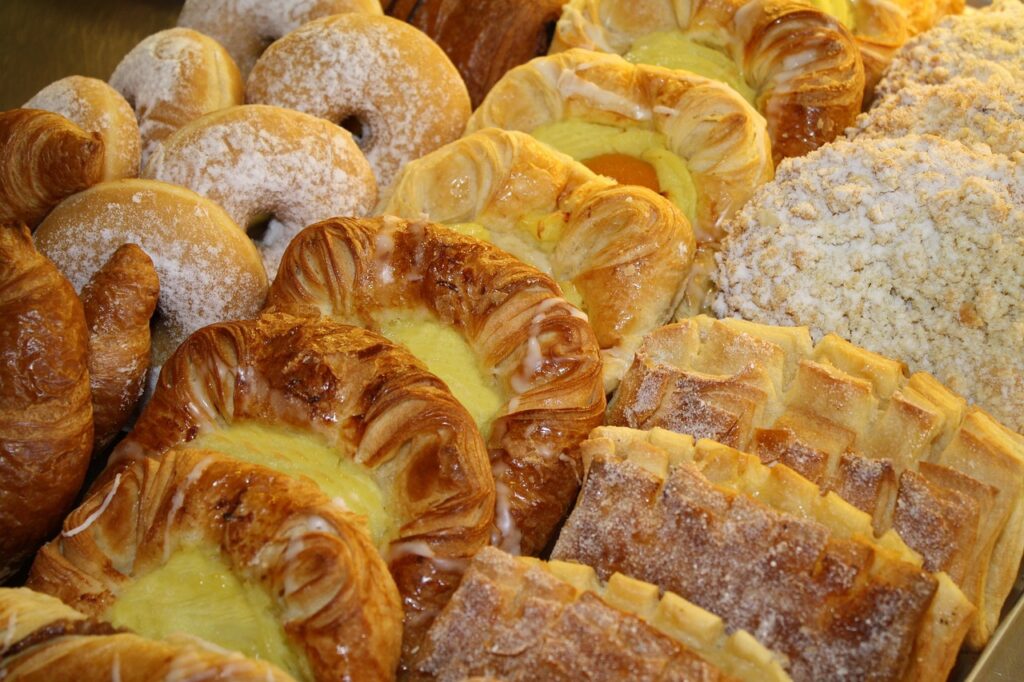
20. Local breakfast: neighborhood café and fresh bread
In the morning, choose a neighborhood café near your accommodation — most open 07:00–09:00 on weekdays. Prices: a simple breakfast €6–12. Look for cafés that bake their own bread and offer eggs cooked to order.
Tip: ask for a « smørrebrød breakfast » if available — an open-faced version with eggs, smoked salmon and veggies to start the day fully.
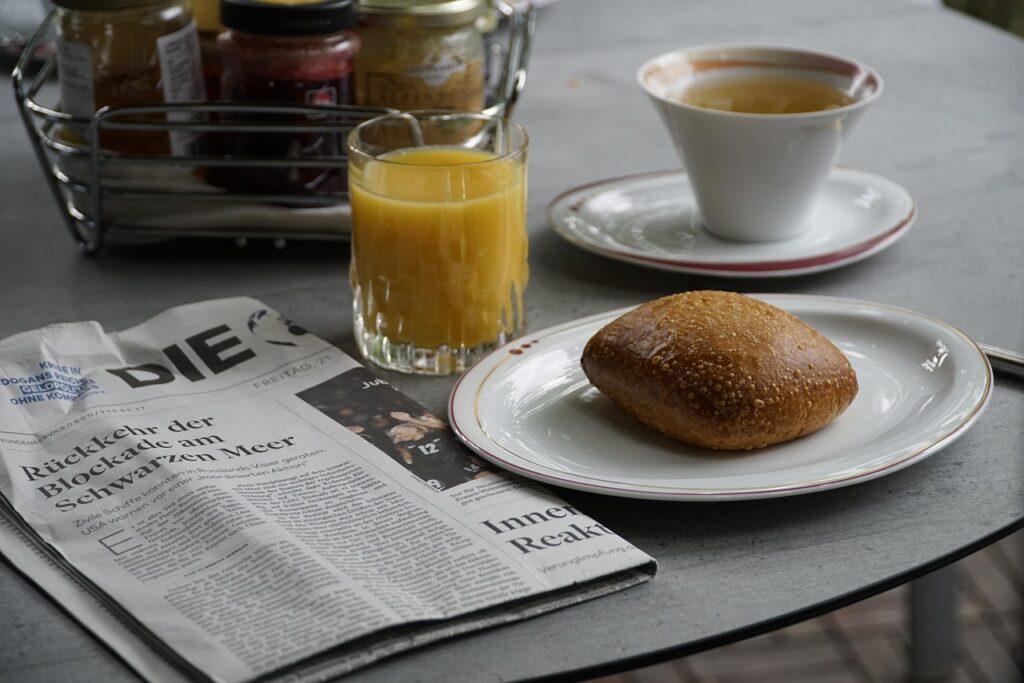
21. Productive morning: bakery visit and rye bread
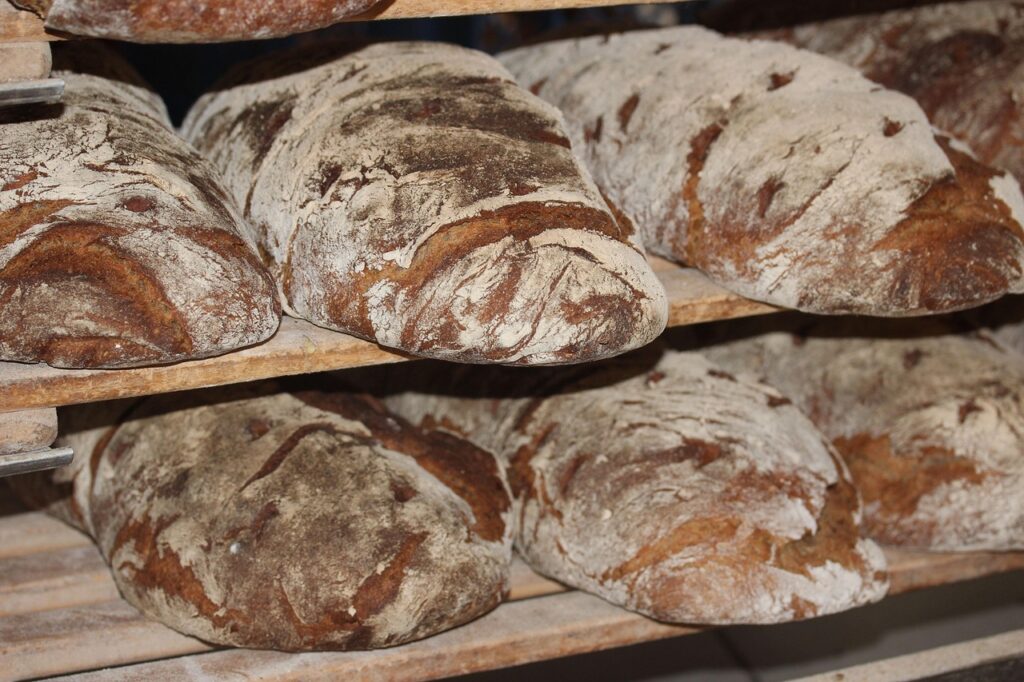
Visit an artisanal bakery — for example Cap Horn Bakery (locations vary) or Meyers Bageri — to watch rye bread being made. Prices: loaf €4–6. These bakeries use natural sourdough and local flours, providing the perfect base for smørrebrød.
Tip: if possible, ask the baker to slice a loaf thinly for you, ready to use.
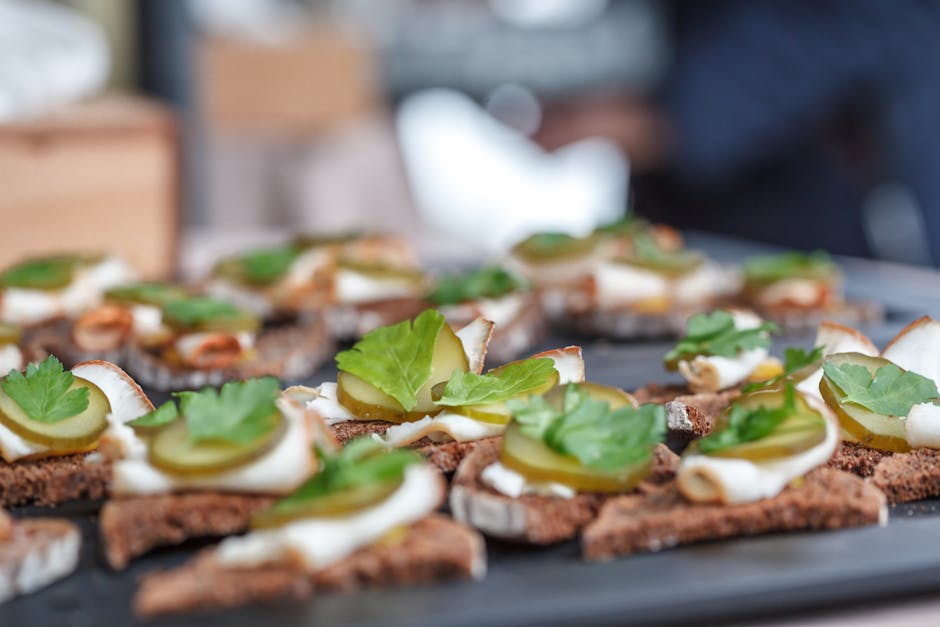
22. Revisited traditional lunch: Hallernes Smørrebrød at Torvehallerne
Hallernes Smørrebrød, Torvehallerne, Frederiksborggade 21, 1360 København K. Opening hours: aligned with Torvehallerne. Prices: smørrebrød €8–14. This stall is known for both classic and contemporary takes. Portions are generous and service quick — ideal for a market lunch.
Tip: ask to try a « cold & hot » combo for contrasting textures and temperatures. Grab a small salad if you want something fresher on the side.
23. Cultural afternoon: cafés near the museums
Around the National Museum (Nationalmuseet) and Ny Carlsberg Glyptotek, you’ll find refined cafés offering teas, pastries and light sandwiches. Prices: coffee + pastry €7–12; museum entry varies €10–15. Great for combining culture with a relaxed food break.
Tip: choose a museum-café terrace for a quieter atmosphere and a nice view of the gardens.
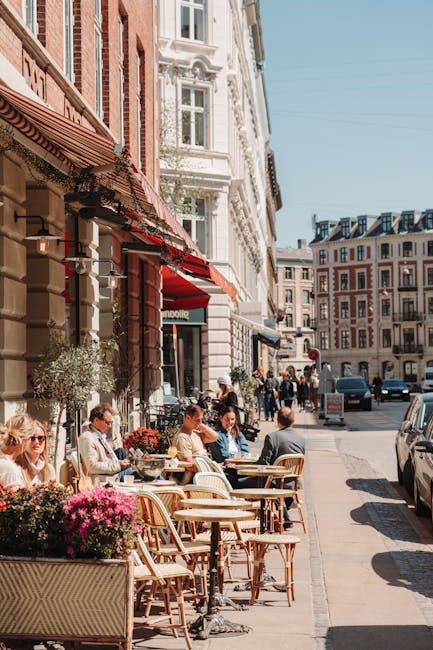
24. Afternoon snack: fried fish in Kødbyen (Meatpacking District)
Kødbyen (Meatpacking District), address: Flæsketorvet 19–21, 1711 København V. Opening hours: vendor hours vary, often 11:00–22:00. Prices: fish & chips €8–14; street food portions €5–12. The area mixes trendy restaurants with small food stalls; fried fish is a local favorite.
Tip: wander the side streets to find the best portions; some taverns serve generous, fresh plates. Bring a raincoat if the weather looks changeable.
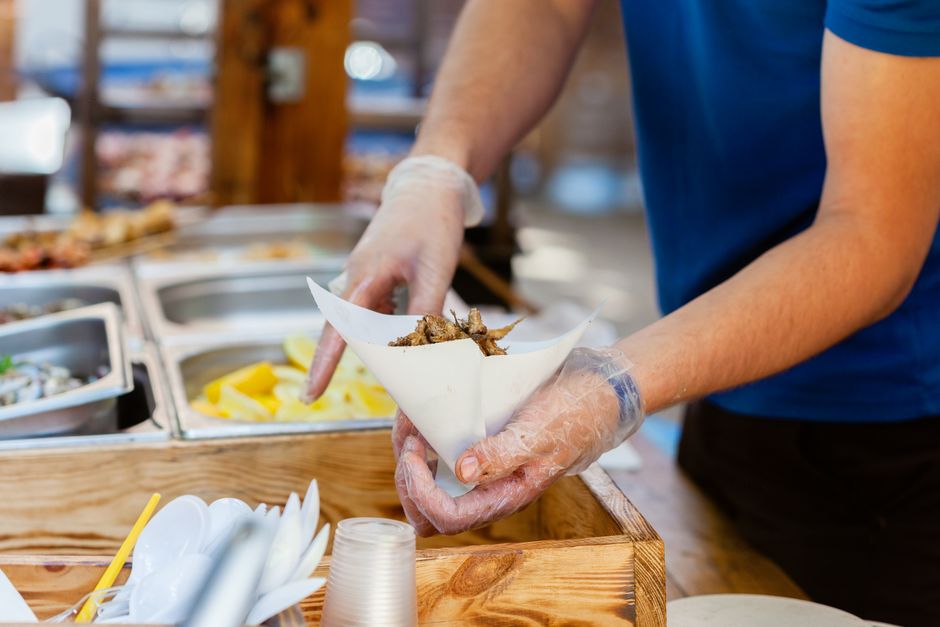
25. Affordable gourmet dinner: bistronomic restaurants
Copenhagen has many bistros offering inventive cooking without the price tag of fine dining. Prices: starter €8–14, main €16–28, dessert €6–10. Look for short tasting menus to try several seasonal dishes.
Tip: ask for the chef’s selection if available; it often offers unexpected, well-crafted seasonal combinations.
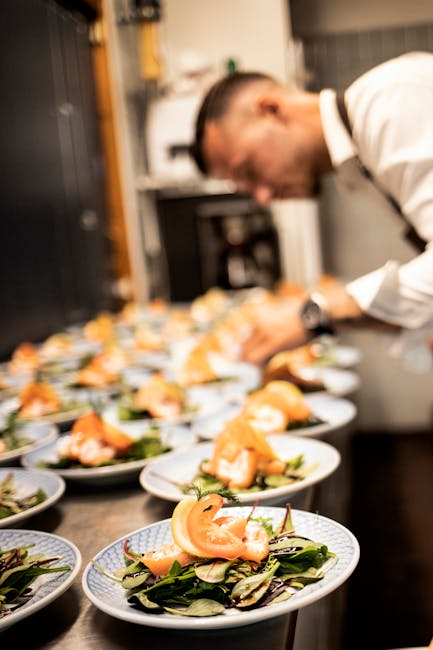
26. Cocktail night: bars with small plates
Wrap up the evening at a bar serving modern tapas or small plates. Prices: cocktail €10–14; small plates €6–12. Recommended neighborhoods: Vesterbro and the Latin Quarter. Expect lively atmospheres and professional service.
Tip: pick a bar with a local beer selection to pair with plates — cheese and charcuterie boards work well with tangy Nordic brews.
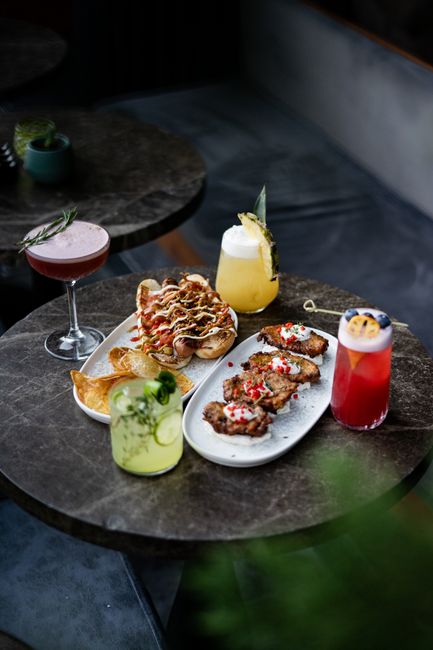
27. Recovery breakfast: smoothie bowls and health cafés
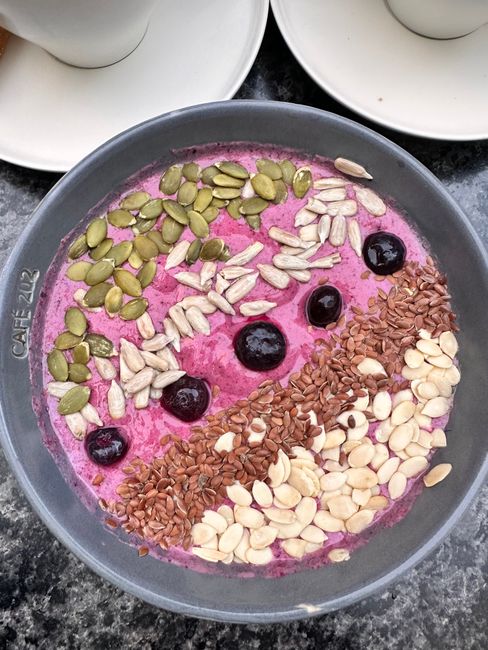
After a lively night, head to a health-focused café with smoothies, bowls and light coffees. Prices: smoothie €5–8; bowls €7–12. Ingredients often include Nordic berries, oats and local seeds.
Tip: choose an oat-and-protein bowl if you have an active morning planned.
28. Morning on the canal: fish markets and local catches
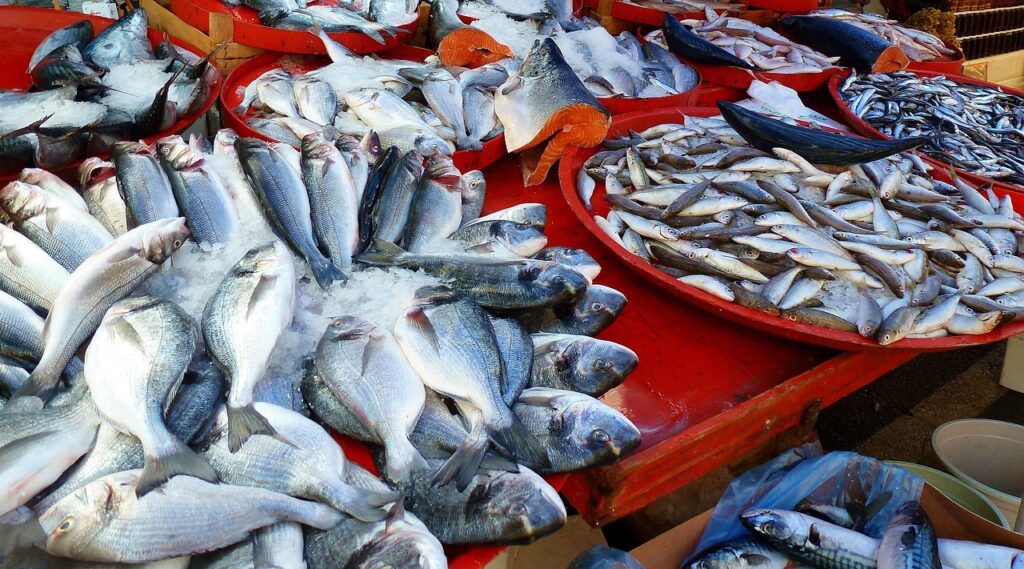
Some quays host small morning fish markets selling catches from that very morning. Locations: north quay of Nyhavn and areas of Christianshavn. Hours: early morning, 06:00–10:00. Prices: fillets €5–12 depending on the fish.
Tip: if you’re an early riser, buy a fillet to grill or smoke — vendors will tell you the best preparation method.
29. Fusion lunch: globally inspired restaurants
Copenhagen hosts chefs inspired by Asia, the Middle East and Latin America while using Nordic ingredients. Prices: dishes €12–22. Look for places like Relae (menus vary) or small innovative spots in Vesterbro.
Tip: order a shared menu to sample multiple influences in one meal.
30. Ice cream break: artisanal gelato and sorbets
Sorbets made from Nordic fruits (rhubarb, blackcurrant) are a local favorite. Find them at parlors and gelato stands near Strøget. Prices: scoop €2–4. A refreshing stop after city strolling, often made with local ingredients.
Tip: get two small scoops of contrasting flavors for a sweet-tart balance.

31. Last lunch: mix of smørrebrød & market produce
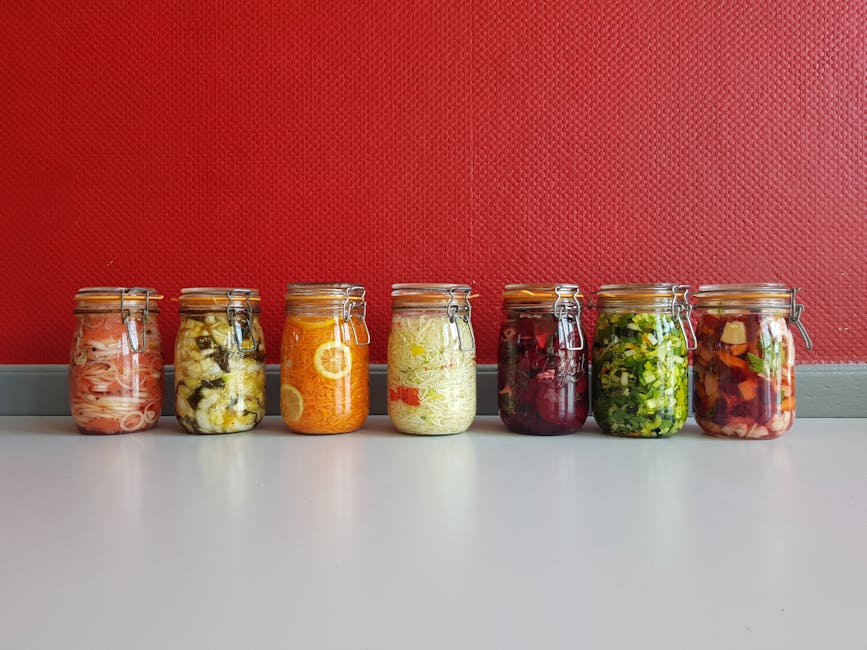
For your final meal, compose a mix of classic smørrebrød and market dishes: rye bread, smoked fish, fermented vegetables and small salads. Budget: €10–18. This combo reconnects you with the essentials and lets you buy items to bring home.
Tip: pick up a piece of local cheese and a jar of Nordic berry jam for the trip.
32. On-the-go snack: takeaway sandwich
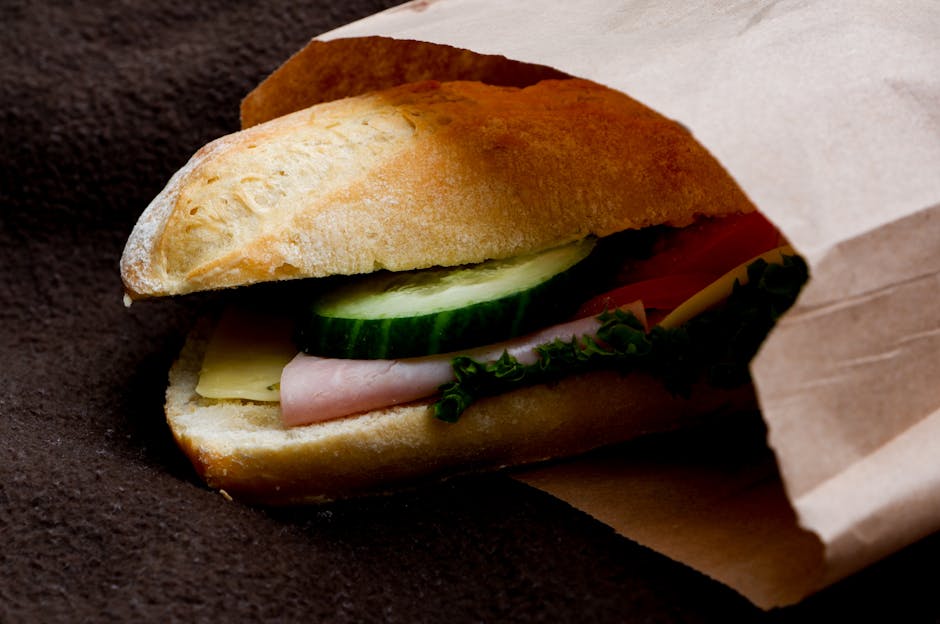
If you need to catch a train or flight, grab a takeaway sandwich from an artisanal bakery. Prices: €5–9. Favor protein-packed fillings and quality bread for a satisfying trip.
Tip: pack perishables in an insulated bag if you’ve bought cheese or fresh items.
33. Antique markets and vintage cafés (weekend)
Antique markets and vintage cafés (mainly in Nørrebro/Vesterbro) sometimes serve brunch and snacks. Prices: drinks €3–6; finds €5–50 depending on the item. Wander the stalls, then sit down for a coffee.
Tip: perfect for picking a non-food souvenir — a small ceramic plate or a cheese knife.

34. Final sweet stop before departure
Make one last stop at a renowned bakery to grab a treat for the journey. Prices: €2–4. Danish pastries travel well and are a lovely way to close your culinary stay.
Tip: pick something authentic like a marzipan pastry or a berry-based sweet.
35. Practical tips: payments, tipping and transport
Most places accept cards (Visa, Mastercard); fewer accept cash as Denmark is highly digital. Tipping is not required — service is included — but you can round up or leave 5–10% for exceptional service. Transport: metro, buses and S-trains cover the city efficiently; bike rental for 24 hours ≈ €8–12 is an excellent way to follow this route.
Local tip: download the Rejseplanen app to plan trips, and consider a Rejsekort if you’re staying longer.
36. Indicative budget for a 48-hour food trip
Reasonable estimate for 48 hours: low €45–65 (snacks, coffees and street food), mid-range €90–160 (market lunches, one bistronomic dinner, coffees), high €200+ (fine dining, workshops, major gourmet purchases). These ranges include non-alcoholic drinks and a few local products.
Tip: share plates to taste more places without blowing the budget. Markets are a great way to eat economically and well.

37. Useful Danish vocabulary for ordering
Handy words: smørrebrød (open sandwich), rugbrød (rye bread), sild (herring), laks (salmon), kartofler (potatoes), rug (rye), kaffe (coffee), tak (thank you). Danes appreciate the effort, even small attempts at the language. Simple pronunciation and a smile go a long way.
Tip: say « tak » often — it’s very appreciated. Staff will answer in English, but a word or two in Danish is always welcome.
38. Special diets: vegetarian and gluten-free options
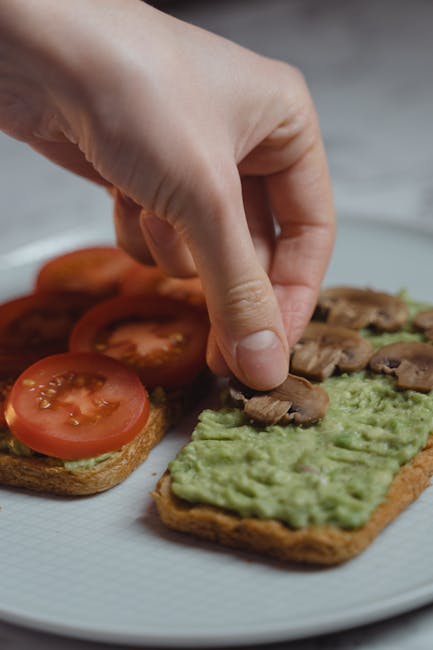
Copenhagen is generally attentive to special diets. Many cafés and markets offer vegan and gluten-free alternatives: gluten-free porridge, vegetarian smørrebrød with fermented vegetables and nut-based cheeses. Prices are similar to standard portions, sometimes slightly higher (+€1–3).
Tip: state your allergies when ordering; transparency is common and English is widely spoken.
39. Products to bring home: cheeses, jams, aquavit
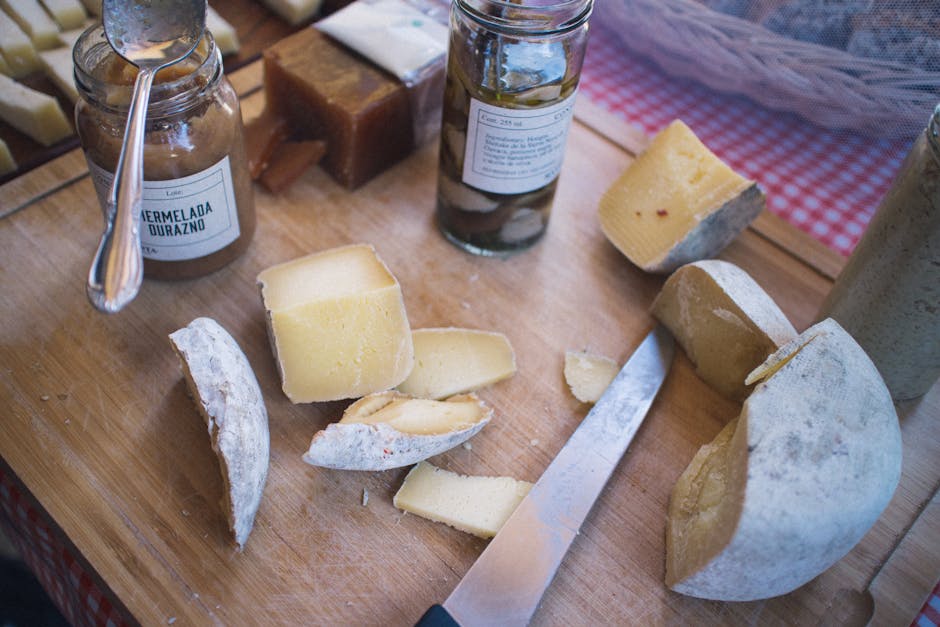
Popular items to take home: artisanal cheeses (€4–10 per piece), jars of Nordic berry jam (€5–10), small bottles of aquavit (€10–25). Pack properly and check customs rules for alcohol for your destination country.
Tip: buy in covered markets (Torvehallerne) where vendors usually wrap items carefully.
40. Eat like a local: timings and habits
Danes have lunch between 11:30 and 13:30 and tend to dine early (18:00–20:00). Frokost (lunch) is often the time for smørrebrød. Cafés are informal meeting places throughout the day.
Tip: align your breaks with these hours to get the local experience: a late lunch can mean queues; dining early avoids crowds.
41. Food safety and tap water
Tap water in Copenhagen is perfectly drinkable and high quality. Sanitary standards are high in restaurants and markets. Don’t hesitate to ask about a product’s origin if you’re unsure.
Tip: pick stalls with fast product turnover — a sign of freshness. Avoid street foods that are handled without protection in extreme heat.

42. Best seasons for a food itinerary
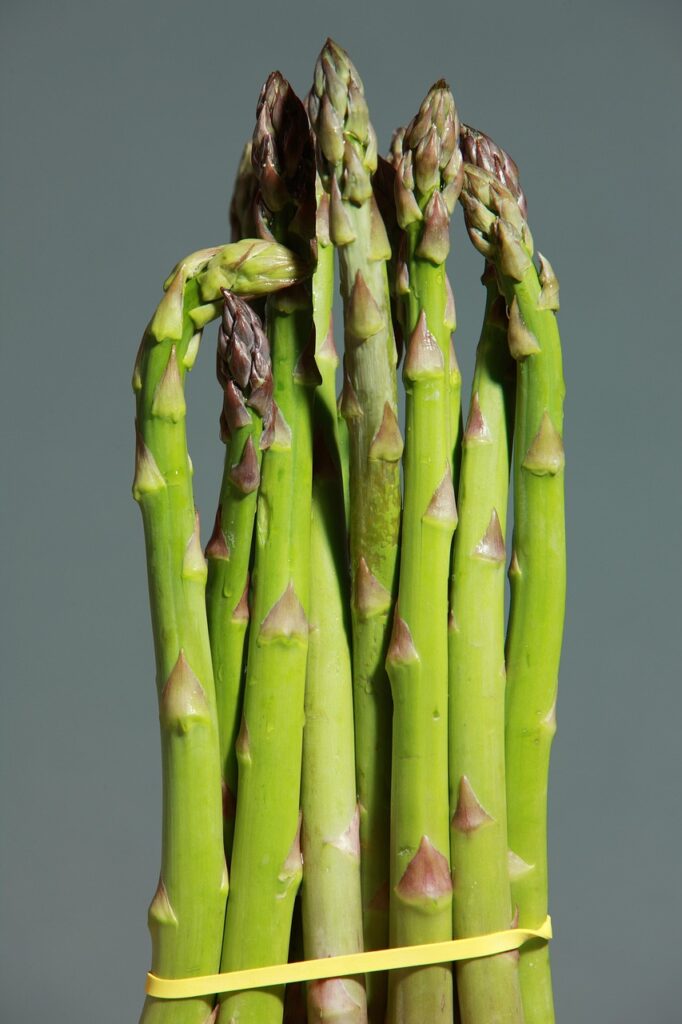
Spring and summer give you access to outdoor markets and fresh produce (asparagus, strawberries). Autumn is ideal for mushrooms, beets and game; winter brings hearty comfort food (stews, smoked fish). Food festivals mainly take place in spring and summer.
Tip: book ahead for workshops and restaurants during food festivals.
43. Express adaptation for 24 hours (condensed version)
If you only have one day: morning coffee at Torvehallerne, lunch at Schønnemann, afternoon at Reffen or Kødbyen, dinner at a bistronomic spot in Vesterbro. Recommended budget €60–120.
Tip: prioritize smørrebrød and a covered market — the essence of the local cuisine.

44. Food-friendly photos & souvenirs
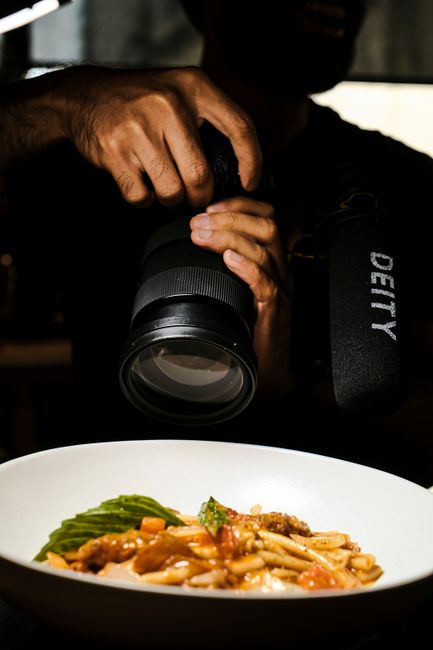
Photograph your plates before eating — Nordic presentation is often very photogenic. For souvenirs, choose canned fish, jars of jam and wrapped dried bread.
Tip: respect other customers’ privacy when taking photos in public spaces.
45. Quick communications & reservations
Book online when possible; many restaurants use ResDiary, Bookatable or their own systems. International dialing code: +45. Email confirmations are common.
Tip: get a local SIM or a good roaming package to manage bookings and routes on the go.

46. Understanding Danish table etiquette
Politeness, punctuality and respect for personal space are valued. Servers are unobtrusive — wait for them to come take your order. Danes appreciate simplicity and straightforward interactions.
Tip: don’t be surprised by discreet service — it’s part of the experience.
47. Alternative route for adventurous food lovers
Explore night markets, fermentation stalls and urban farms that sometimes host pop-up dinners. Budget varies €25–60 for a unique experience. Look for events on local networks or via Torvehallerne.
Tip: follow local chefs on Instagram to catch pop-ups and ephemeral menus.
48. Final checklist before departure
Before you go, make sure you have: wrapped rye bread, a jar of local jam, a small cheese, a bottle of aquavit or a craft beer, and of course photos and notes of your favorite spots. Check train/airport times and leave time for a last coffee.
Tip: keep an offline copy of addresses and key hours in case you lose network access while out and about.

Conclusion — Take home Copenhagen’s culinary spirit
In 48 hours Copenhagen may feel compact but it packs an impressive culinary richness: from traditional smørrebrød to specialty coffee shops, bustling markets and creative food trucks. This guide offered a balanced route between historic spots (like Schønnemann), modern markets (Torvehallerne), hands-on workshops (Aamanns, demos) and freer experiences (Reffen, Kødbyen). The addresses and tips aim to optimize your time while leaving room for the unexpected, which is essential to any true culinary discovery.
Local hallmarks — dense rye bread, precise buttering technique, vegetable fermentation and respect for ingredients — give Danish cuisine its distinctive character. Understanding these elements enriches every bite and turns a simple meal into a mini lesson in gastronomy. The hours and prices help you plan without surprises, but stay flexible: the food scene moves fast with pop-ups and seasonal menus changing regularly.
Finally, here are a few practical reminders: arrive early for markets, book popular restaurants, share plates to taste more places and bring a small insulated bag if you plan to bring cheese or fish home. Armed with these tips, you’re ready for a flavor-packed 48 hours in Copenhagen full of tastes, meetings and memories. Have a great trip and enjoy your meal!