





Introduction — Why this step-by-step guide to booking an apartment in Copenhagen
Booking an apartment in Copenhagen may look straightforward: open an app, type « Copenhagen », hit reserve. In reality, finding a place in Denmark’s capital with confidence takes preparation — especially if you want to avoid nasty surprises (overpriced rents, unclear security deposits, misdescribed flats, or a location that doesn’t fit your daily life). This practical guide gives you a complete, actionable method with addresses, prices in euros, opening hours, checklists and ready-to-use phrases for your communications. No theory — just concrete steps you can follow one by one.
Copenhagen’s neighborhoods are very distinct: Vesterbro is lively and central, Christianshavn is all about canals, Nørrebro is multicultural, Østerbro is family-oriented, and Frederiksberg is upscale but administratively its own municipality. Each area comes with different price levels, commute times and housing styles (old courtyard buildings, modern blocks, converted factories). To book smartly you need to know the map, realistic distances, where essential services are, local rental rules, and additional costs (water, heating, internet).
This guide is written for three profiles: short-stay travelers (1–90 days), students or interns (3–12 months), and expats moving long-term (+12 months). You’ll find specific checklists for each profile, addresses for in-person inspections, recommended agencies and portals, lease clause templates to check, and realistic cost estimates in euros. We included example listings and reference addresses you can visit in person (with opening hours), plus practical local tips for negotiating and securing payments.
Finally, Copenhagen is highly connected: efficient public transport (metro, S-train, buses), bike lanes everywhere, and well-structured municipal services. This guide will show you how to register at City Hall (Borgerservice), the hours to remember, the exact address for tax/CPR registration, and how to manage energy/internet subscriptions. Follow the numbered steps and checklists and you can have an apartment booked, secured and move-in ready in under a week for short-term lets, or within a month for a long-term rental.
Step 1 — Preparation and choosing a neighborhood (detailed checklist and useful addresses)
Before you start searching listings, define your constraints: monthly budget in euros, maximum commute to work/school, need for a double bed or two bedrooms, pet policy, and length of stay. Here’s the exact checklist to fill in before you begin searching:
- Total monthly budget (rent + utilities): write a range. Example: €900–€1,200.
- Max travel time: 20 minutes by bike? 30 minutes by public transport?
- Type of apartment: studio, one-bedroom, shared flat, furnished/unfurnished.
- Minimum duration: specify (e.g. 1 month, 6 months, 12 months).
- Priorities: quiet, close to restaurants, schools, or nightlife.
- Documents to prepare: passport/ID, proof of income, previous landlord reference, employment contract, bank statement.
Recommended neighborhoods with sample addresses and indicative prices (in euros):
- Vesterbro — lively, central, close to Tivoli and the main station. Example viewing address: Istedgade 60, 1650 København V. Approx. price: furnished studio €100–€160/night (short term) or €1,000–€1,700/month (long term).
- Nørrebro — diverse and youthful, lots of cafes and shops. Reference address: Nørrebrogade 45, 2200 København N. Price: studio €700–€1,200/month.
- Østerbro — residential and family-friendly, near Fælledparken. Reference address: Østerbrogade 58, 2100 København Ø. Price: €900–€2,000/month.
- Christianshavn — canals and nautical vibes. Reference address: Christianshavns Kanal 12, 1407 København K. Price: €1,000–€2,500/month.
- Frederiksberg — upscale, shopping and green spaces. Reference address: Gammel Kongevej 100, 1850 Frederiksberg C. Price: €1,200–€2,500/month.
- Islands Brygge — waterside neighborhood popular with families and young professionals. Reference address: Islands Brygge 14, 2300 København S. Price: €1,000–€2,200/month.
Municipal addresses and services to know before arrival:
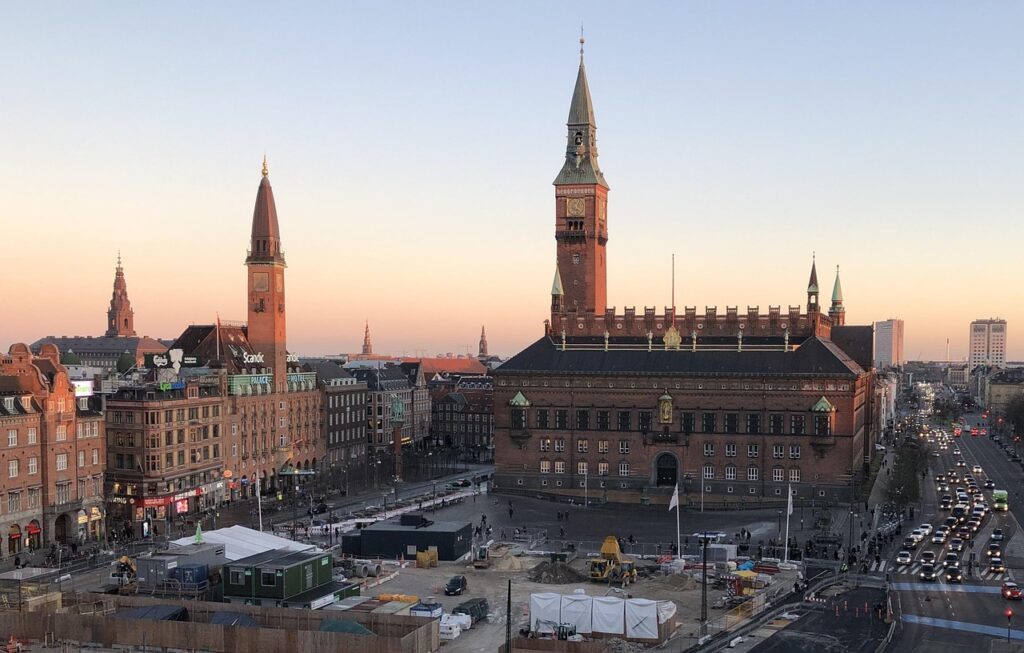
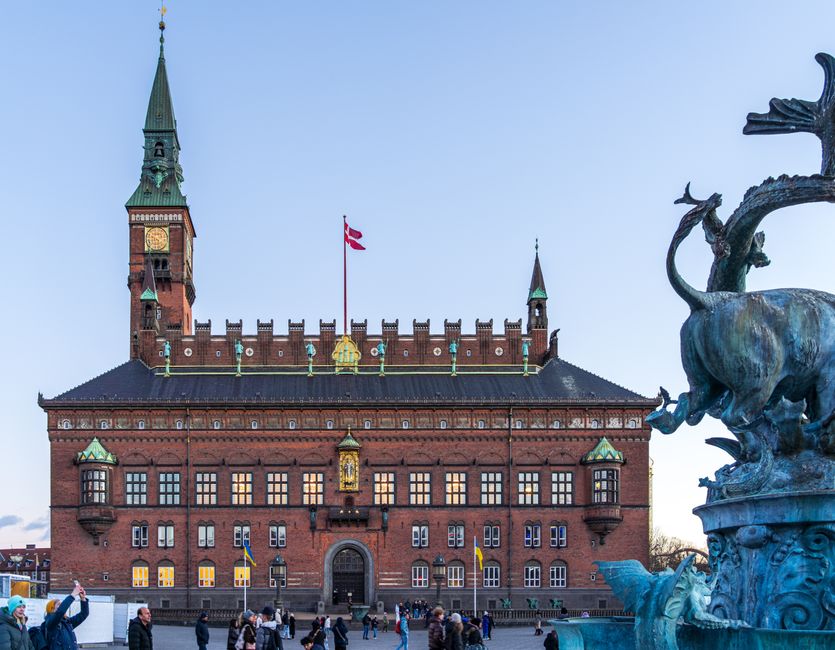
- Borgerservice (Copenhagen City Hall): Rådhuspladsen 1, 1550 København V — opening hours: Mon–Fri 09:00–16:00. Service for CPR registration and ID card.
- Nørreport Station (central transport hub): Nørre Voldgade 23, 1358 København K — metro runs 24/7 depending on schedule; tourist information desks open 09:00–18:00.
Step 2 — Searching reliable listings (sites, agencies, addresses & opening hours)
Use a mix of international and local platforms to maximize your chances. Here are concrete resources with tips on how to use them, typical response times, and tricks to spot fake profiles:
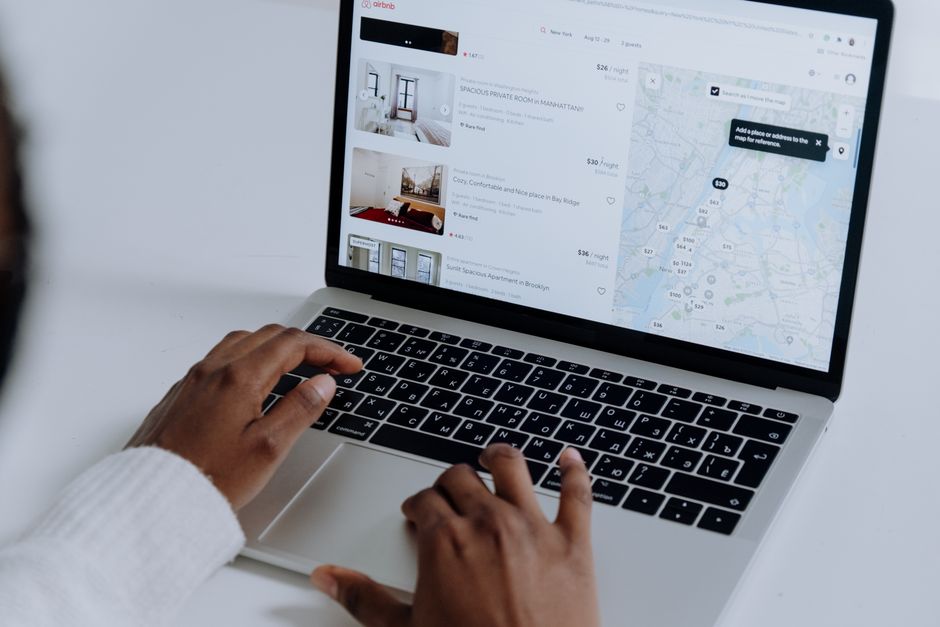
- Airbnb — great for short-term stays (1 night to 90 days). Average Copenhagen price: €80–€200/night for a central studio. Tip: check for Superhost status and review history. Expected response: 1–48 hours.
- Booking.com — useful for furnished apartments and aparthotels; good for stays of 3–30 days. Price: €70–€180/night. Booking confirmation is immediate online.
- BoligPortal (boligportal.dk) — Danish site for long-term rentals. Example listings: one-bedroom in Nørrebro typically €900–€1,300/month. Support hours: Mon–Fri 09:00–16:00 (site available 24/7).
- Lejebolig.dk — another comprehensive local platform. Tip: set alerts for keywords (furnished, central, pets allowed).
- Local agencies: Home Copenhagen, DanCenter, Wonderful Copenhagen (tourist office). Agencies have physical offices; Home Copenhagen address: Grønnegade 32, 1107 København K — hours Mon–Fri 09:00–17:00.
How to spot a fraudulent listing:
- Photos that are overly professional with no real-life details — ask for a live video via WhatsApp/FaceTime.
- Payment demanded only via Western Union or transfer to a foreign account — refuse. Prefer card payment, PayPal, or a SEPA transfer to a Danish account with a signed lease.
- Owner absent and pressure to « book now » — request an on-site viewing or a notarized power of attorney if you’re remote.
Step 3 — Viewings, on-site inspection and condition checklist
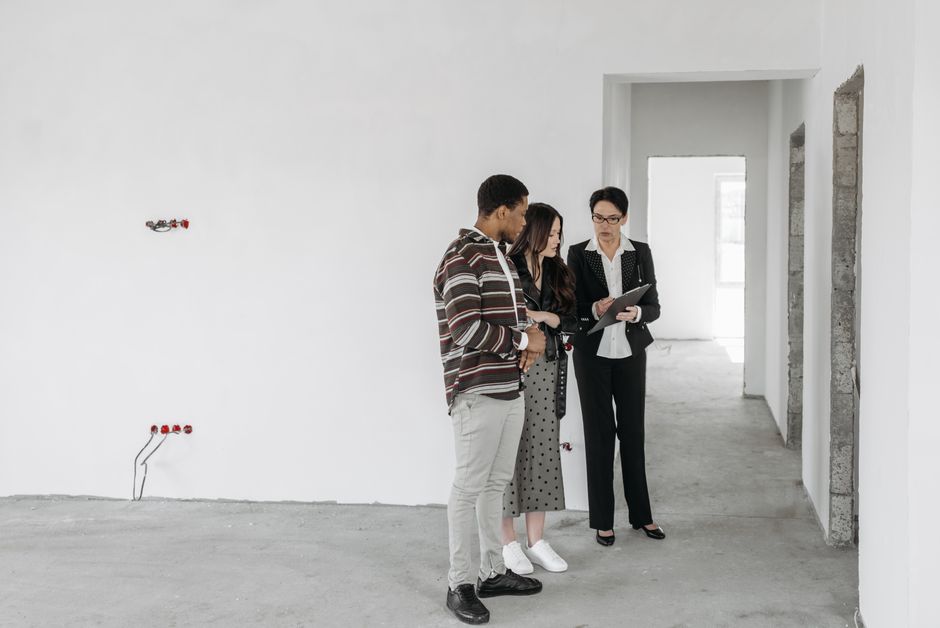
Viewing an apartment in Copenhagen requires checking items specific to the climate, insulation and Danish rental law. Bring a kit: a flashlight (check ducts and dark corners), a power strip to test sockets, a folding tape measure for furniture, a camera to document issues and a printed checklist.
Condition checklist to follow during the viewing:
- General cleanliness: signs of damp or mould (check corners carefully). Photograph any issues.
- Insulation and heating: ask what heating system is used (district heating or electric radiators). If central heating, ask how it’s managed and billed.
- Windows: double glazing? Check frames for drafts.
- Appliances: test hob, oven and washing machine. Note brand and approximate age.
- Internet connection: ask the provider (TDC, Stofa, YouSee). Typical speeds: 100–500 Mbps. Monthly cost: €25–€40.
- Storage: closets, cellar/loft. Check access and security.
- Floor and elevator: confirm floor numbering (in Denmark ground floor = stueetage) and whether there’s an elevator for moving.
- Safety: locks, fire doors, smoke detectors (smoke alarms are mandatory in Denmark).
Specific questions to ask the landlord/agent during the viewing (note answers and get them in writing):
- Exactly how much is the deposit? (typical: 1–3 months’ rent) — ask for a receipt.
- Who pays for electricity, water, heating and elevator? Ask for average monthly costs in euros.
- Is there a standard lease (lejekontrakt) in Danish and in English? Request a translation if needed.
- Termination conditions: notice period (varies by contract; typical tenant notice is 3 months for long-term leases).
- Are there restrictions (painting, subletting, pets)?
Addresses where you can arrange group viewings or find viewing agents:
- Home Copenhagen (visits & viewing coordination): Grønnegade 32, 1107 København K — Mon–Fri 09:00–17:00.
- Lejernes LO (tenants’ union advice): Ryesgade 23, 2100 København Ø — consultations by appointment, volunteer adviser rates.
Step 4 — Signing the lease, deposit, payments and practical formalities
Once you’ve chosen the apartment, you move into the contract phase. Here are the concrete steps and the financial checklist to follow:
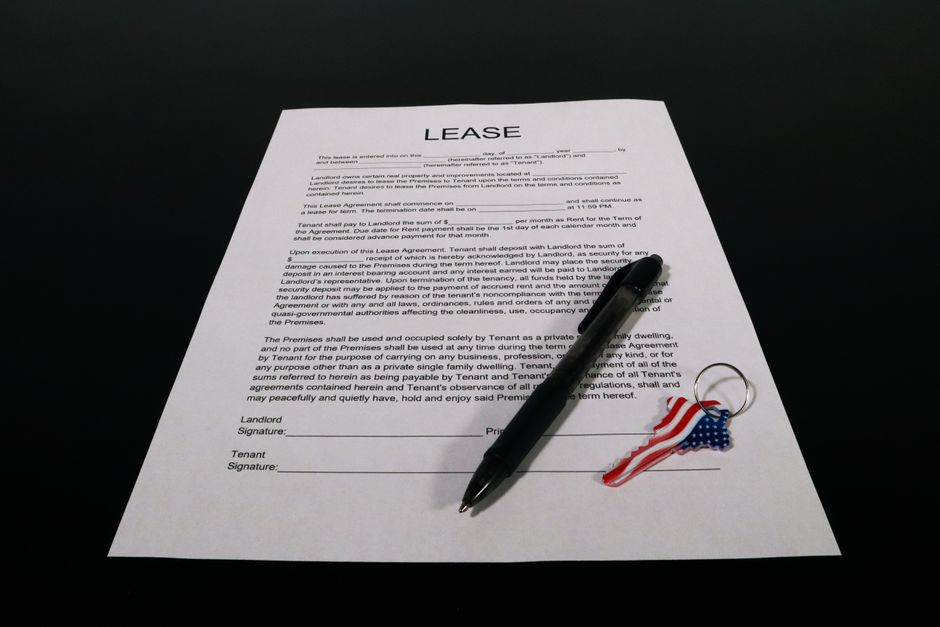
- Receive the written contract (lejekontrakt): request a copy in Danish and English. Check: duration, rent, deposit, indexation (CPI clause), extra fees (fjernvarme = district heating), and the deposit refund clause.
- Have the contract checked: send it to legal assistance (Lejernes LO or a local lawyer). Indicative cost: a quick consultation €60–€150.
- Paying the deposit: typically 1–3 months’ rent. Ask for a bank receipt. Recommended method: SEPA transfer to a Danish account or card payment through an agency (avoid cash).
- Pay the first month’s rent: by bank transfer. Verify IBAN/BIC. Keep proof of payment.
- Register your address: if staying >90 days, book a Borgerservice appointment (Rådhuspladsen 1, 1550 København V) for CPR registration. Hours: Mon–Fri 09:00–16:00. Required documents: passport, signed lease, proof of residence.
- Open a bank account: recommended options: N26 (online) or a Danish bank such as Danske Bank (Kronprinsensgade 7-9, 1114 København K). Branch hours: Mon–Fri 09:00–16:00.
- Subscribe to internet/energy: common providers: YouSee (internet+TV), Norlys, TDC. Internet cost: €25–€40/month. Electricity + heating: €80–€250/month depending on season.
Sample clauses to check carefully in the lease (phrases to look for):
- « Deposit shall be refunded within X days after lease termination. » Check X (typically 14–30 days).
- « Rent adjustment is based on CPI indexation » — ask for an annual cap.
- « Maintenance responsibility » — who pays for minor repairs? Ask for a clear list.
Indicative amounts and conversions (to prepare your budget in euros):
- Average deposit: 1–3 months’ rent — example: rent €1,200 → deposit between €1,200 and €3,600.
- Agency fees (if applied): often one month’s rent + VAT, or a flat fee €200–€600. Check if this is legal depending on the contract type.
- Cost for a professional checkout (final condition report): €50–€150.
Step 5 — Preparing the move, services and check-out (operational checklists)
Moving into Copenhagen involves a few bookings and practical steps. Here’s a checklist of actions to do before and after your move, with addresses, prices and clear opening times:
Before moving in (to do 2–14 days prior):
- Book a van if needed: Sixt Van Rental, address: H.C. Andersens Boulevard 37, 1553 København V — indicative price for 4 hours €60–€120 depending on vehicle. Hours: daily 08:00–18:00.
- Schedule internet activation: YouSee or TDC — standard installation cost €0–€50 depending on the plan; activation 1–7 business days.
- Take out renters insurance: recommended provider: Tryg (H.C. Andersens Boulevard 12), average premium €6–€20/month for basic coverage.
- Arrange waste and recycling collection: local instructions available on the Københavns Kommune website; general waste collected on a neighborhood schedule.
On move-in day:
- Photograph all walls, floors and appliances (document initial condition).
- Test all locks and keep a spare key in a safe place.
- If you find damage not previously noted, inform the landlord immediately and email photos (keep copies).
After moving in (within the first month):
- Register for CPR at Borgerservice if applicable.
- Update your address with the bank, mobile operator and employer. Postal address: PostNord main office near Hovedbanegården — mail forwarding services cost ~€20–€50 initially.
- Check your energy billing and set up direct debits (Autogiro/indbetalingsservice).
- Familiarize yourself with building rules: quiet hours, waste sorting, bike storage rules in corridors.
Check-out (preparing to hand the property back):
- Schedule the final inspection with the landlord (at least 7 days in advance).
- Professional cleaning recommended: €80–€200 depending on size.
- Check possible restoration charges (painting, repairs). Keep receipts for any DIY repairs you paid for.
- Request the deposit refund in writing and follow the contractual deadline (14–30 days).

Conclusion — Practical recap and a 10-day action plan
This guide has given you a clear, actionable method to book an apartment in Copenhagen: budget and neighborhood prep, multi-platform searching, on-site inspection, contract validation and move-in formalities. To sum up directly, here’s a detailed 10-day action plan with priority tasks and addresses to visit:
- Day 1 — Define your criteria: complete the checklist from chapter 1 (exact budget in euros, duration, neighborhood). Note 3 priority neighborhoods and 3 reference addresses per area.
- Day 2 — Start searching: set alerts on Airbnb, Booking.com, BoligPortal and Lejebolig.dk. Contact Home Copenhagen (Grønnegade 32) for local help.
- Day 3 — Arrange viewings: schedule 3–5 viewings within 48 hours. Use Nørreport Station (Nørre Voldgade 23) as a starting point if you’re touring the center.
- Day 4–5 — Viewings and inspections: follow the condition checklist. Take photos and videos. Ask for previous energy bills if possible.
- Day 6 — Compare offers: request contracts in English and have them checked by Lejernes LO (Ryesgade 23).
- Day 7 — Negotiate: propose conditions (flexible start date, reduced deposit within market norms) and get written confirmations.
- Day 8 — Sign and pay: sign the lease, pay the deposit by SEPA transfer and keep bank receipts.
- Day 9 — Plan the move: book a Sixt Van Rental (H.C. Andersens Boulevard 37) if needed, and arrange internet activation with YouSee.
- Day 10 — Move in: document the initial condition with photos and complete an inventory. Book a Borgerservice appointment (Rådhuspladsen 1) if you need CPR.
Final tip: always keep a financial buffer for an extra 1–2 months (about €1,000–€2,500) to cover unexpected costs — deposit, agency fees, or urgent furniture purchases. Danes place a lot of importance on written procedures: always demand proof (contract, deposit receipts, emails) and have documents translated if you’re unsure. By following this plan and the associated checklists, you’ll turn what can be a stressful process into a smooth, controlled experience.
If you’d like, I can:
- Draft ready-to-send emails in English/Danish for contacting landlords and agencies.
- Search live listings that match your criteria and list 10 options with exact addresses and recommended viewing times.
- Provide an English lease template (lejekontrakt) with commentary on each clause.
Tell me your exact budget in euros, desired duration, and three preferred neighborhoods — and I’ll prepare a personalized shortlist and a set of emails ready to send.