





Introduction — Bike or metro: which mood should steer your Copenhagen adventure?
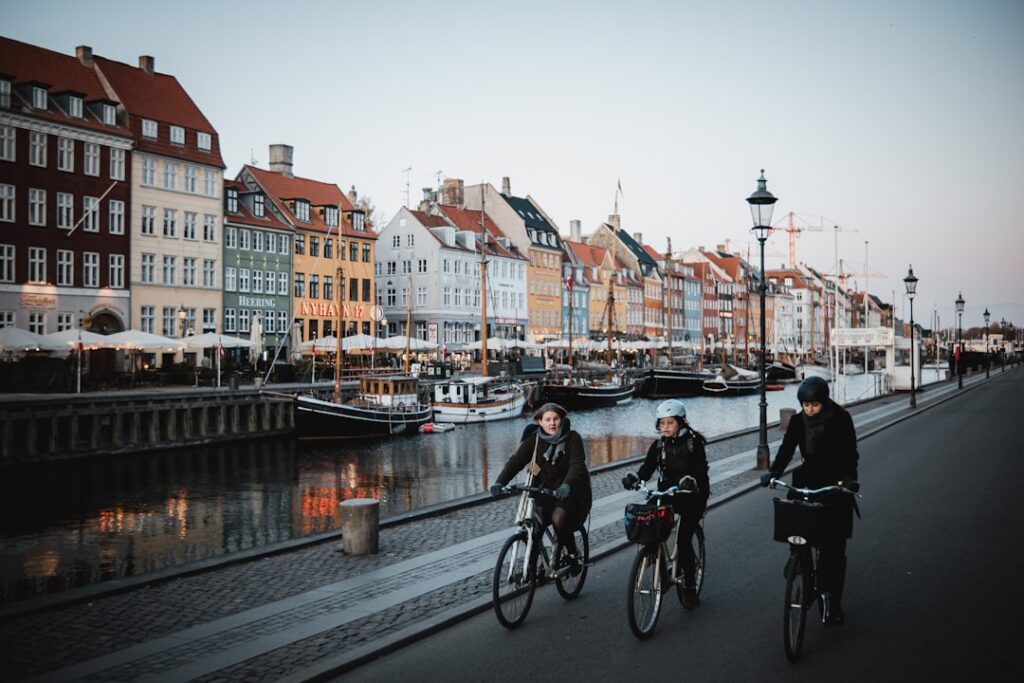
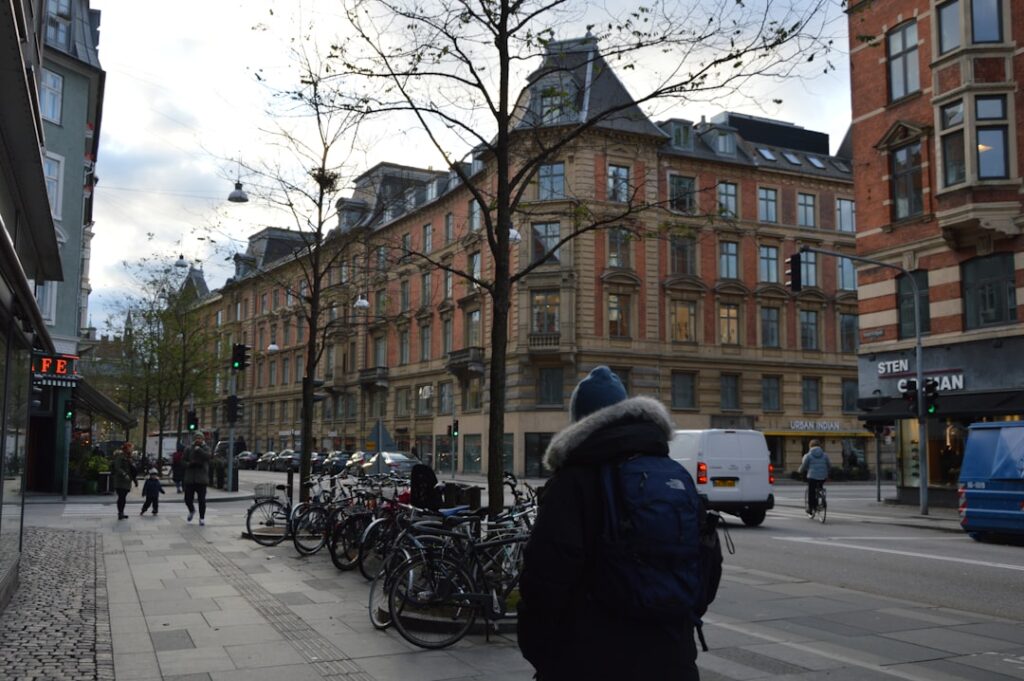
Copenhagen is widely hailed as the bike capital of the world: wide bike lanes, bike-specific lights, massive bike parking and a deep-rooted cycling culture. At the same time, the city has a modern public transit system — an automated metro that’s fast and frequent — covering the city center, outlying neighborhoods and the airport efficiently. Choosing between bike and metro really depends on how you want to feel the city, your tolerance for the weather, how much time you have and the type of route you plan to take.
This detailed guide helps you decide based on your mood: local immersion, saving money, speed, comfort, scenic views, luggage accessibility or bad weather. We compare the sensory experience of riding through streets and along quays with the efficiency of the driverless metro, giving exact addresses, typical schedules, prices listed in euros and practical local tips. You’ll also find recommendations for the best cycling routes, useful metro stations and rental alternatives for every profile (occasional tourists, business travelers, families).
Biking turns every trip into an experience: you feel the air, you can stop immediately for coffee, a view or a shop, and you’ll discover alleyways the metro never reaches. Conversely, the metro offers unmatched predictability: a ride protected from the elements, direct access to Kastrup Airport (Københavns Lufthavn, Lufthavnsboulevarden 6, 2770 Kastrup) and consistent schedules for punctual appointments. This guide doesn’t take sides — it gives you the tangible facts so you can decide based on the mood of the moment — stroll, save time, conserve energy, dodge the rain or chase the best views.
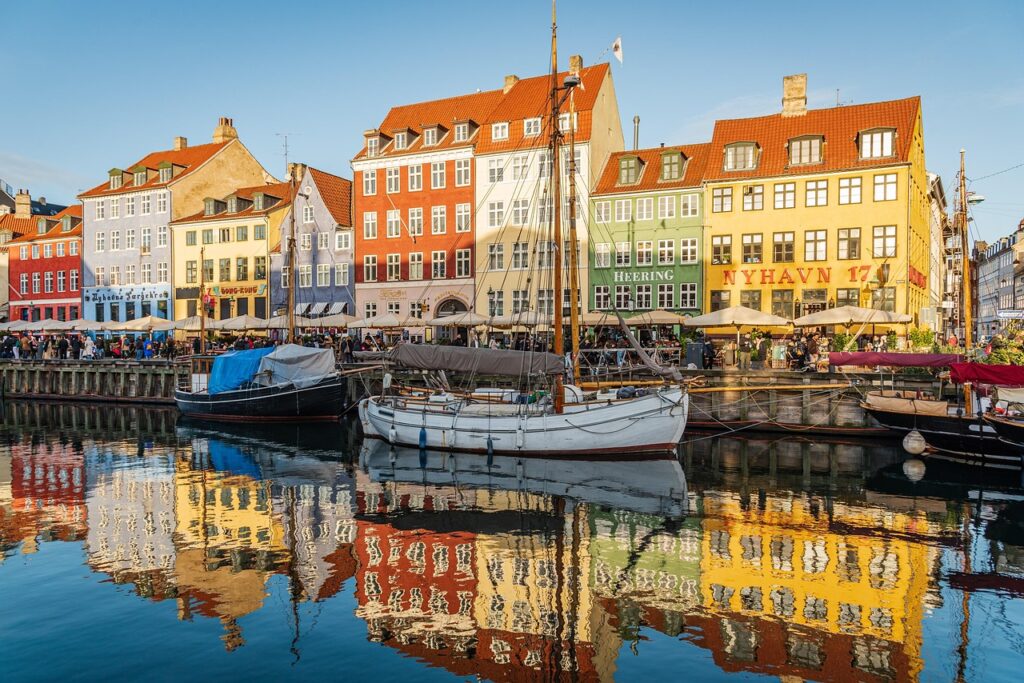
We mention iconic spots to illustrate choices: Nyhavn (Nyhavn 1-71, 1051 København K), The Little Mermaid (Langelinie, 2100 København Ø), Christiania (Prinsessegade 45, 1440 København K), Copenhagen Central Station Københavns Hovedbanegård (Bernstorffsgade 16, 1577 København) and Nørreport Station (Nørre Voldgade 2, 1358 København). For each place you’ll get a clear idea: is it better to bike there for the atmosphere or take the metro for convenience?
Finally, this guide includes local tips often overlooked: where to lock your bike, how to read metro fare zones, priority rules for cyclists, how to navigate crowded bike lanes during rush hour, and exact addresses for rentals or transport cards. Prices are shown in euros to make comparisons easier; note that rates can vary slightly by season and exchange conversions.
1) Biking in Copenhagen: the experience, logistics, rentals and recommended routes
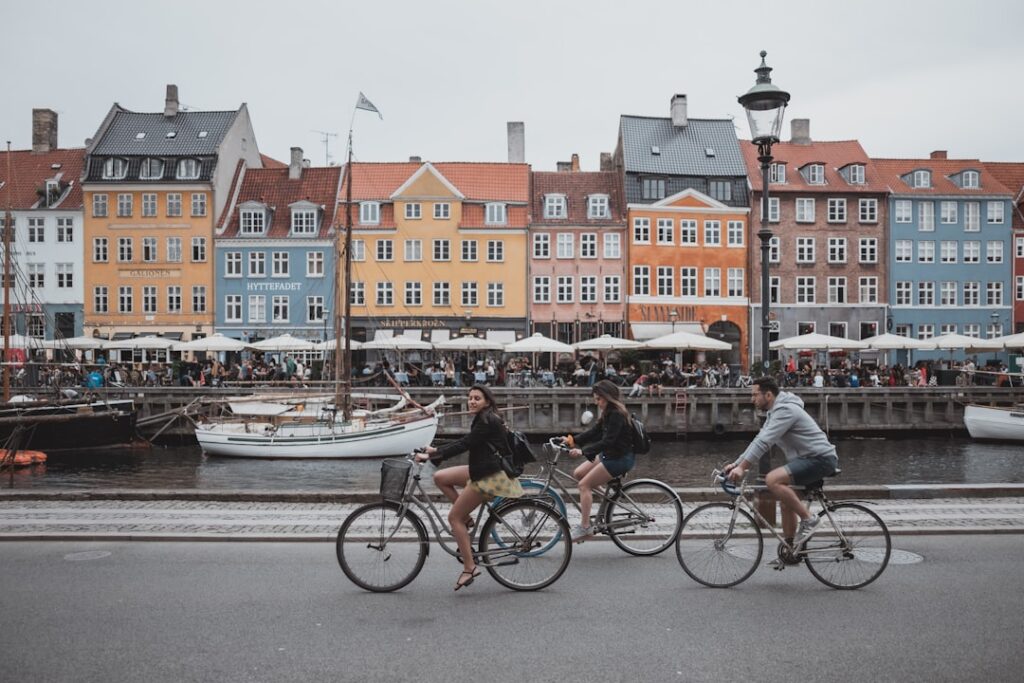
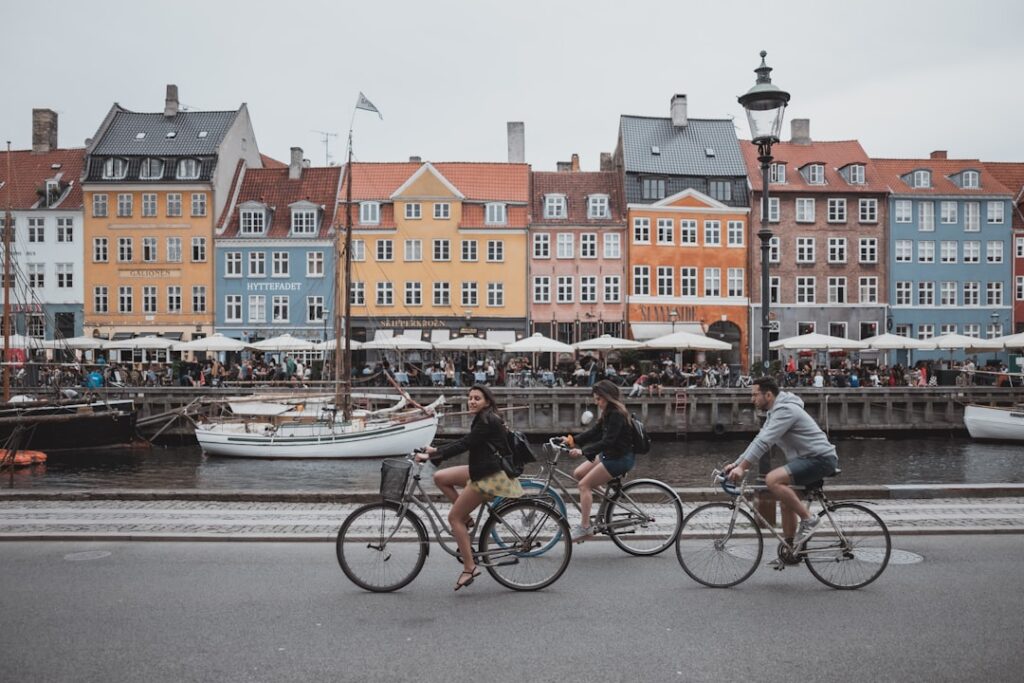
Taking a bike in Copenhagen means immersing yourself in the city. Bike lanes are wide, often separated from traffic, and cyclists have dedicated spaces at intersections. Unwritten rules dominate: keep your line, stay aware of buses and taxis, and obey the bike-specific signals. Logistically, you have several options:
- Bycyklen (city e-bikes): Bycyklen offers electric bikes for self-service. Typical station: Rådhuspladsen (City Hall Square), Vesterbrogade 2, 1550 København V. Price: around €1.50 for 30 minutes and daily passes near €6.00 (rates vary; check the Bycyklen app). Hours: available 24/7, depending on bike availability at the station.
- Donkey Republic: app-based rentals with flexible pickup and return. Common pickup point: Kongens Nytorv (Kongens Nytorv 1, 1050 København K). Price: about €6–12 per day for a standard bike, e-bikes around €20–30 per day. Hours: flexible 24/7 depending on availability.
- Traditional rentals: Copenhagen Bicycles, address: Gammel Mønt 4, 1117 København K. Price: standard bike €10–15/day, e-bike €25–40/day. Hours: typically 09:00–18:00 in high season.
Recommended cycling routes (experience and estimated times):
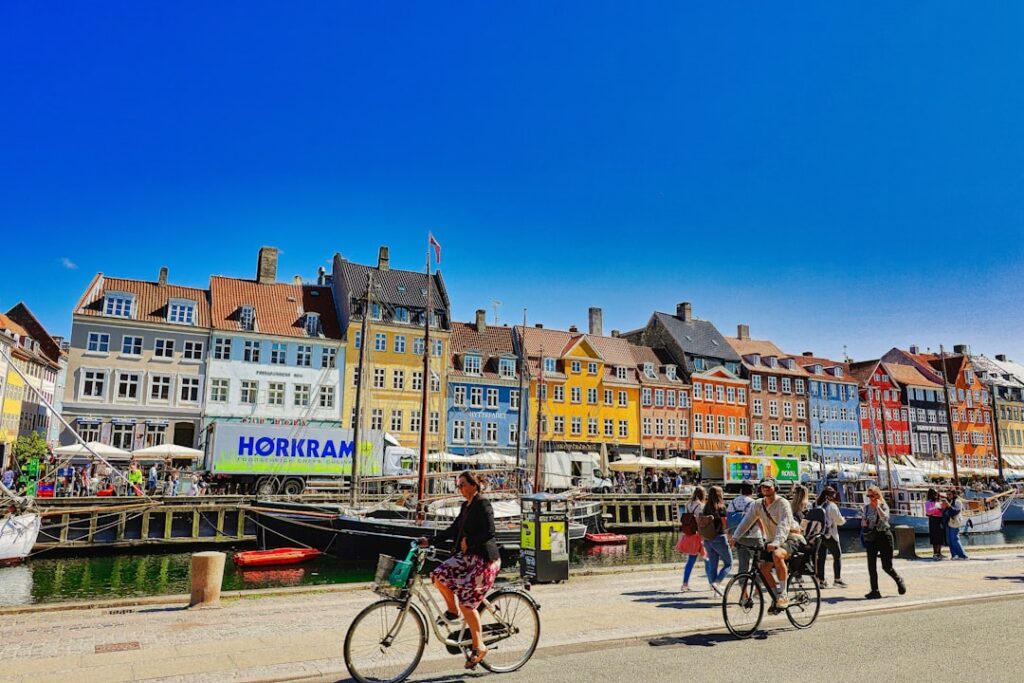
- Nyhavn (Nyhavn 1-71, 1051 København K) to Christianshavn (Overgaden oven Vandet 56, 1425 København K): 10–20 minutes, perfect for soaking up the quays and low bridges. Stop for photos of the colorful houses.
- Copenhagen Central Station Københavns Hovedbanegård (Bernstorffsgade 16, 1577 København) to Tivoli Gardens (Vesterbrogade 3, 1630 København V): 5–10 minutes, very handy for arriving by foot or bike before opening.
- From Nørreport Station (Nørre Voldgade 2, 1358 København) to The Little Mermaid (Langelinie, 2100 København Ø): 15–25 minutes, a pleasant ride along King’s Garden (Kongens Have, Øster Voldgade 4, 1350 København K).
Local biking tips:
- Always lock your bike to a sturdy stand with a U-lock: theft happens, especially at night. Safer parking: supervised bike areas near Nørreport and the central station.
- Respect the green bike lanes: they’re prioritized and heavily used, especially at rush hours (07:00–09:00 and 15:00–18:00).
- Avoid large suitcases: lanes and bridges can get crowded and narrow passages are common.
- In winter, main bike lanes are cleared first; still, bring gloves, a windbreaker and lights for your bike (required after dark).
2) Copenhagen Metro: how it works, fares, key stations and when to use it
The Copenhagen metro is modern, driverless, and serves the center and outer neighborhoods efficiently. It’s especially useful if you’re in a hurry, facing bad weather, or carrying luggage. Here are the essentials:
- Lines and coverage: The network includes lines M1, M2, M3 (the City Circle) and M4. M2 links the city center directly to the international airport Kastrup (Københavns Lufthavn, Lufthavnsboulevarden 6, 2770 Kastrup). Trains run frequently and the City Circle (M3) loops around the city center.
- Frequency and hours: During the day, trains run every 2–4 minutes at peak times (06:00–19:00). Evenings and nights: every 10–20 minutes, with a reduced night service between 00:30 and 05:00 depending on the day. Many users find the metro operational nearly 24/7 with frequency variations. Check real-time times on the DOT app or Rejseplanen.
- Key stations and addresses: Nørreport Station (Nørre Voldgade 2, 1358 København) is the most central hub for trains and buses. Københavns Lufthavn (Metro station located at Lufthavnsboulevarden, 2770 Kastrup) for the airport. Kongens Nytorv (Kongens Nytorv 1, 1050 København K) serves Nyhavn and Strøget. Christianshavn Station (Prinsessegade, 1422 København K) is ideal for Christiania.
Fares and tickets (prices shown in euros for comparison):
- Single ticket within central zone (1 zone): about €3.20 (ticket valid 1 hour within one zone).
- 2-zone ticket: about €4.50.
- 3-zone ticket: about €6.00.
- City Pass 24 hours (zones 1–4): about €12.00 — useful for heavy use in a single day.
- City Pass 72 hours (zones 1–4): about €25.00 — handy for a short tourist stay.
Practical tips for the metro:
- Purchase: buy tickets via the DOT app, ticket machines in stations or use a Rejsekort if you’re staying longer. Machines accept cards and cash; prefer card for speed.
- Luggage: the metro is the best option with suitcases, especially to and from the airport (M2). From Københavns Lufthavn station, expect 13–15 minutes to reach Kongens Nytorv with M2/M3 connections depending on transfers.
- Peak hours: to avoid crowds, skip travel between 07:30–09:00 and 16:30–18:00 if you want a seat.
3) Practical comparisons: time, cost, comfort, weather and accessibility
To choose between bike and metro you need to weigh five factors: travel time, cost, comfort/accessibility, weather, and the experience itself. Here’s a detailed comparison to help you decide based on how you want to feel that day.
Travel time: biking is often faster for short trips (under 3 km) in the center because of the dense bike network and direct routes. Example: Nørreport Station (Nørre Voldgade 2, 1358 København) to Nyhavn (Nyhavn 1-71, 1051 København K) takes about 8–12 minutes by bike vs 7–10 minutes by metro (including wait time and walking to platforms). For the airport, the metro (M2) is clearly quicker and more comfortable: roughly 13–20 minutes depending on your arriving stop, whereas biking that route is long (20+ km) and tiring with luggage.
Cost: biking pays off if you plan multiple trips in a day. A Donkey Republic rental (~€6–12/day) can become economical compared with several metro rides if you use it a lot. The City Pass 24h (~€12.00) balances out if you rely heavily on metro and buses; for only 2–3 rides, single tickets (€3.20–€6.00) may suffice.
Comfort and accessibility: the metro wins in rain, strong wind or when carrying large bags. Stations are accessible and some (like Københavns Hovedbanegård, Bernstorffsgade 16) have elevators and escalators. Biking is more physically demanding but gives superb freedom to roam and reach micro-spots like hidden cafés in Vesterbro (Vesterbrogade, Vesterbro) or Christianshavn’s bridges.
Weather and season: in summer, biking is obviously delightful; in spring and autumn bring a waterproof jacket and lights. In winter, the city prioritizes clearing main bike lanes but cold and ice can make cycling less pleasant — favor the metro during those months.
Experience: if your priority is photography, spontaneous stops, meeting locals and discovering neighborhood cafés (for example, The Coffee Collective at Torvehallerne, Frederiksborggade 21, 1360 København K), biking wins. For a tight schedule, professional meetings or late-night trips, the metro is more reliable.

4) Sample routes by mood — romantic rides, museum day, airport dash
Depending on the mood of the day, here are four sample routes that clearly illustrate when to favor bike or metro, with addresses, estimated times and practical tips.
-
Romantic stroll and photos — Bike recommended
Route: Nyhavn (Nyhavn 1-71, 1051 København K) → Amalienborg (Amalienborg Slotsplads 5, 1257 København K) → The Little Mermaid (Langelinie, 2100 København Ø) → Kastellet (Kastellet 1A, 2100 København Ø). Time: 40–70 minutes depending on stops. Why bike: freedom to pause at viewpoints, and you can ride along the sea between Amalienborg and Langelinie. Tip: lock up securely at a sturdy stand near Amalienborg (official bike parking spots).
-
Museum and culture day — Mix of bike + metro
Route: Statens Museum for Kunst (Sølvgade 48-50, 1307 København K) → Glyptoteket (Dantes Plads 7, 1556 København V) → Louisiana Museum of Modern Art (Gl Strandvej 13, 3050 Humlebæk). Time: city museums are easy to do by bike, but for Louisiana (35 km away) take the train from Copenhagen Central Station Københavns Hovedbanegård (Bernstorffsgade 16, 1577 København) + local bus. Tip: buy a City Pass if you plan train + metro travel (check zone requirements). Price: regional train fares vary; a one-way to Humlebæk can be around €8–€12 depending on ticket type.
-
Airport dash — Metro recommended
Route: City center (Kongens Nytorv, Kongens Nytorv 1, 1050 København K) → Københavns Lufthavn (Lufthavnsboulevarden 6, 2770 Kastrup) via M2. Time: 12–20 minutes. Price: 3-zone ticket about €6.00 or an appropriate City Pass. Tip: use the metro for luggage and strict departure times; it’s direct and dependable.
-
Night out in Vesterbro — Bike if light, metro if late
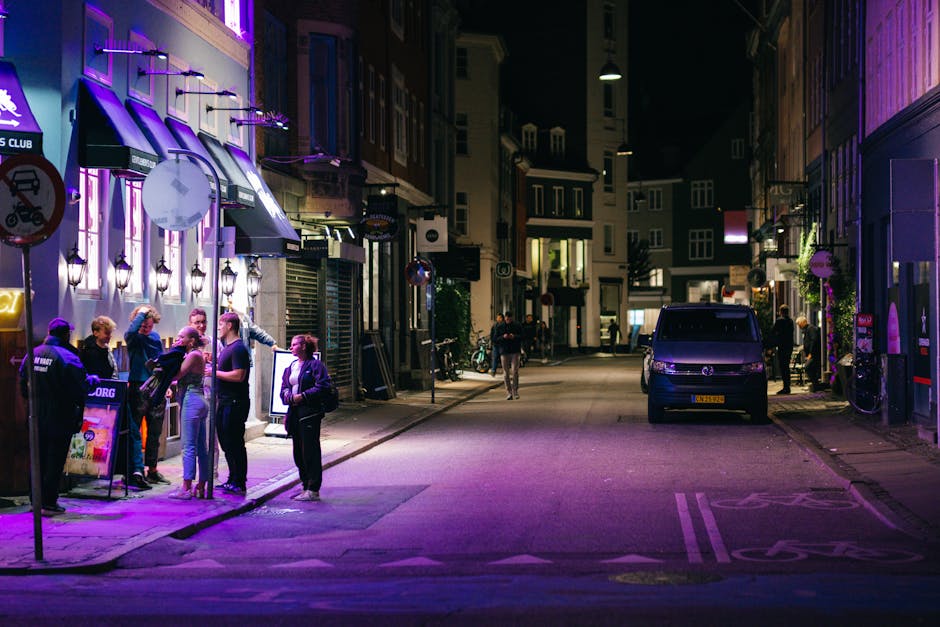
Route: Kødbyen / Meatpacking District (Flæsketorvet, 1711 København V) → bars along Vesterbrogade. Time: short by bike (5–10 minutes) but late at night the metro (København H or Vesterport stations) is safer if you’ve been drinking or if streets are slippery. Tip: late evenings favor the metro and licensed taxis; be mindful of local rules on public drinking vs cycling.
Conclusion — Finding the right balance between mood and efficiency
Choosing between bike and metro in Copenhagen mostly comes down to what you want to experience. If you crave local immersion, spontaneous stops and a sensory experience (sea breezes, coffee smells, the hum of cycling traffic), biking is hard to beat. It grants total freedom of movement, lets you reach hidden corners and often saves time on short hops. For rentals, favor Bycyklen for accessibility and Donkey Republic for flexibility, keeping approximate daily costs in mind (€6–€30 depending on bike type).
The metro shines for reliability, speed over longer distances, comfort in bad weather and direct airport access. Prices shown in euros to ease comparison (single tickets €3.20–€6.00 depending on zones, City Pass 24h ~€12.00, 72h ~€25.00) make sense for heavy use. Frequent schedules and the driverless service make the metro very practical for travelers with tight schedules or large luggage.
In practice, most visitors go hybrid: bikes for morning rides, Torvehallerne market (Frederiksborggade 21, 1360 København K) and neighborhood discoveries; metro for quick transfers, rainy days or airport runs. A few final tips: always check availability and timetables on the DOT app, sign rental agreements and use a solid lock for bikes, respect bike lanes and bike-specific signals, and adapt your choice to the weather and how tired you feel.
Whatever your plans — lingering, photographing, making a meeting on time or catching a flight — Copenhagen gives you the tools to make it happen. Arm yourself with a DOT zone map, a bike rental app, and let your priorities guide your moves. If you’d like, I can now craft a personalized one-day itinerary based on your preferences (museums, food, photography), including exact times, metro stations to use and recommended bike rental spots.