





Introduction
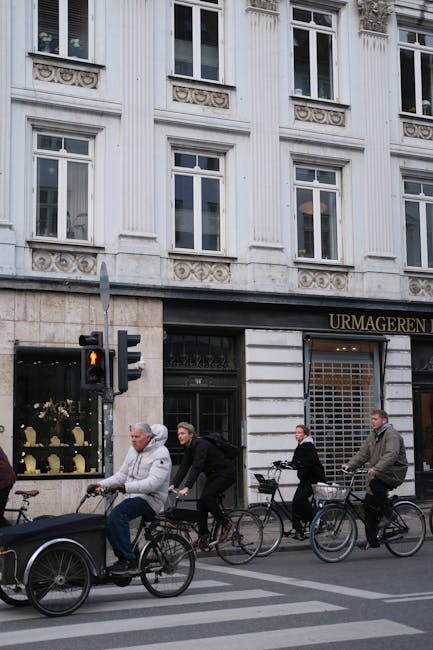
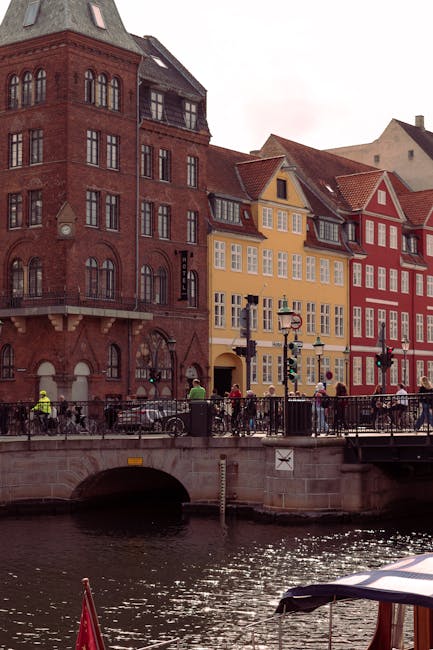
Copenhagen is a compact, bike-friendly city full of variety: from the historic canals of Indre By to the creative outskirts of Refshaleøen, each neighborhood has its own vibe, amenities, and reasons to choose it as your base. Where you stay in Copenhagen will shape your trip dramatically—whether it’s walking distance to museums and landmarks, a lively nightlife scene, easy transit connections, or a deeper immersion in local life. This guide gives you a practical, detailed overview of the ten best areas to stay, including exact addresses, visual reference points, price ranges in euros, typical hours, and local tips to make the most of your visit.
You’ll find immersive, no-nonsense descriptions here: why Nørrebro draws food lovers and young families; how Østerbro seduces with a calm, upscale atmosphere and generous parks; how Vesterbro blends foodie trends with a buzzing nightlife; and why Frederiksberg—although its own municipality—is often seen as a luxury neighborhood at the island’s heart. I also include practical details like opening hours for must-see sites, exact addresses to help orient yourself from your accommodation, and estimated accommodation prices in euros (which vary by season and proximity to transport).
This guide is designed as a quick reference: whether you want a quiet family stay, to dive into the Nordic food scene, easy access to public transport, or an alternative, trendy neighborhood, there’s a chapter for you. Each section describes the atmosphere, activity and restaurant recommendations, useful addresses (museums, parks, stations) with typical opening times, plus a price estimate for a standard double room in a hotel or apartment (displayed in euros). Finally, I add local tips to avoid common mistakes and get the best of the Danish experience.
1. Indre By (Historic Centre)
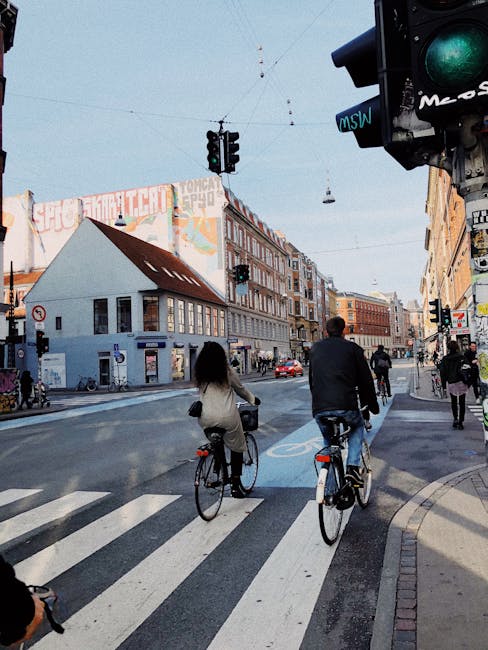
Indre By is Copenhagen’s historic core: cobbled streets, iconic shops, national museums, and picture-perfect canals. It’s the ideal spot if you want to be within walking distance of the main attractions. Key landmarks: Kongens Nytorv square (Kongens Nytorv, 1050 København K), the shopping street Strøget (Strøget, 1460 København K), and Christiansborg Palace (Prins Jørgens Gård 1, 1218 København K). For museums, the National Museum (Nationalmuseet, Ny Vestergade 10, 1471 København K) is open 10:00–17:00 (closed Mondays) and admission runs around €12–15.
Useful addresses and opening times:
- Tivoli Gardens — Vesterbrogade 3, 1630 København V. Hours: season-dependent, typically 11:00–23:00. Admission: about €16–20 (rides extra), activity passes extra.
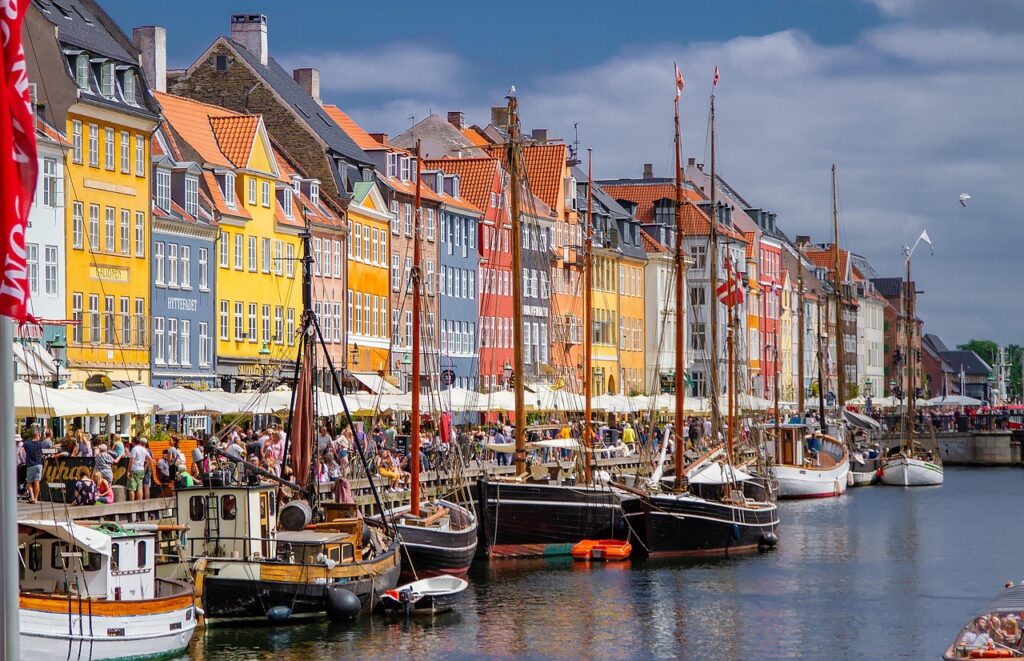
- Nyhavn (canal) — Nyhavn 1-71, 1051 København K. Walks are free 24/7, cafés open from 08:00; boat tours run throughout the day, ~€12–18 depending on duration.
Prices and accommodation: expect €120–350 per night for a 3–5 star hotel in the central area depending on season. Small Airbnb apartments can start around €80 per night in low season. Local tip: pick a street perpendicular to Strøget to avoid nightlife noise, and book hotels near Kongens Nytorv or Nørreport stations for excellent connectivity.
2. Nyhavn & The Canal District
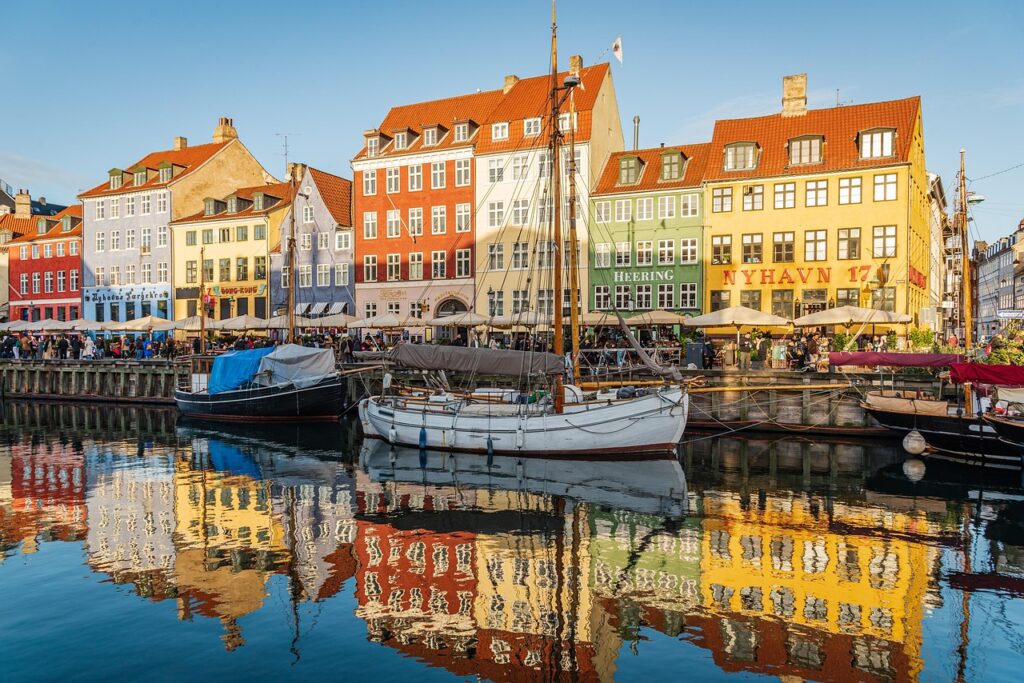
Nyhavn—famous for its colorful houses lining the canal—is more than a photo spot: it’s a lively neighborhood with restaurants, cafés, and boat docks. Although touristy, it feels truly Copenhagenian at sunrise and dusk, when the façades glow in the water.
Addresses and practical info:
- Nyhavn Canal — Nyhavn 17–21, 1051 København K. Walk freely; tourist cruises run in the morning and afternoon, €12–18.
- Restaurant Cap Horn — Toldbodgade 15, 1253 København K. Hours: 11:00–22:00. Main courses: €15–30.
- Cruise companies (example) — Netto-Bådudlejning, Nyhavn 2C, 1051 København K: multiple departures 09:30–17:00, €12–20.
Accommodation prices: boutique hotels and boat hotels nearby cost about €140–300 per night. Advantage: perfect spot for boat connections and within walking distance of Strøget. Downside: very busy and noisy. Local tip: reserve a terrace table for an early breakfast or a late dinner to dodge peak tourist times.
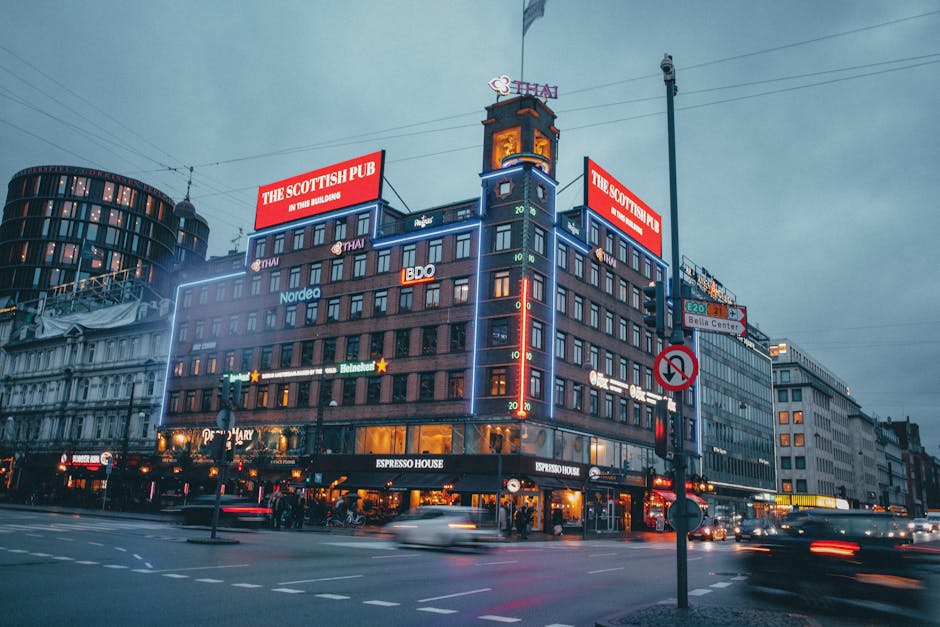
3. Vesterbro
Vesterbro captures the transformation from former industrial district to one of the city’s trendiest neighborhoods: cool bars, high-end restaurants, design shops and direct access to the central station (København H). It’s an excellent choice if you want nightlife and easy transport links.
Addresses and landmarks:
- Copenhagen Central Station — Bernstorffsgade 16, 1577 København V. Open 05:00–01:00; trains, metro and buses connect here.
- Kødbyen (Meatpacking District) — Flæsketorvet 68–71, 1711 København V. Best time: evenings 17:00–02:00. Restaurants and bars vary widely: dishes €12–35.
- Tivoli Gardens (nearby) — Vesterbrogade 3, 1630 København V. See hours above.
Accommodation prices: €90–220 per night for a 3-star hotel or stylish apartment. Vesterbro is great for travelers wanting buzz without the over-tourism of the historic center. Local advice: stroll along Istedgade to soak in the eclectic vibe, try contemporary smørrebrød, and book dinner tables for weekend nights.
4. Nørrebro
Nørrebro is Copenhagen’s most multicultural and creative neighborhood: youthful energy, street markets, global restaurants and independent cafés. It’s the best pick for foodies, modern families, and travelers looking for a real sense of community.
Points of interest and addresses:
- Jægersborggade — Jægersborggade, 2200 København N. A street known for artisanal bakeries, cafés and galleries. Shop hours: generally 10:00–18:00.
- Assistens Kirkegård (cemetery and park) — Kapelvej 4, 2200 København N. Open 24/7; a peaceful place to walk, free entry.
- Superkilen Park — Nørrebrogade 210, 2200 København N. Public park, open roughly 06:00–22:00 depending on season; free access.
Accommodation prices: €70–160 per night for comfortable rooms; Airbnbs are often more affordable. Local recommendation: explore the brunch cafés around Sankt Hans Torv and try the street food on Jægersborggade. Nørrebro is well connected by metro (stations like Nørrebro and a bit further from Nørreport); ideal for longer stays seeking a balance of authenticity and services.

5. Østerbro
Østerbro is an elegant residential neighborhood favored by families and travelers who appreciate calm, green space, and waterfront access. Located northeast of the center, it offers walks along Langelinie, discreet upscale shops, and a more relaxed pace.
Addresses and activities:
- Fælledparken — Rørholmsgade 10, 2100 København Ø. Public park, ideal for jogging, picnics and events; open roughly 05:00–23:00.
- The Little Mermaid — Langelinie, 2100 København Ø. Outdoor visit 24/7; free attraction, very popular in the morning.
- Østerbrogade shopping — Østerbrogade, 2100 København Ø. Shops and cafés; hours 10:00–19:00.
Accommodation prices: €100–220 per night for 3–4 star hotels; family apartments €120–250. Local tip: if you’re traveling with children or want a quiet stay while still being 15–20 minutes by bike from the center, Østerbro is ideal. Runners will love the flat, scenic seaside route toward Langelinie.
6. Christianshavn
Christianshavn is known for its Dutch-style canals, houseboats and bohemian spirit. Highly photogenic, it blends artist studios, specialty cafés and fine dining. It’s perfect if you want to stay waterside while remaining close to the center.
Addresses and details:
- Christiania (Freetown Christiania) — Prinsessegade, 1440 København K. An autonomous, artistic zone open to visitors; markets and studios are visible but respect local rules. Hours vary; public areas are accessible during the day.
- Church of Our Saviour (Vor Frelsers Kirke) — Sankt Annæ Gade 29, 1416 København K. Hours: tours 10:00–17:00 in summer; tower climb €6–8.
- Restaurant Broens Gadekøkken (bridge street food) — Torvegade 48, 1400 København K. Hours: 11:00–22:00; dishes €6–20.
Accommodation prices: €110–240 per night for design hotels and canal-side apartments. Local tip: cycle along the quays at sunset, and avoid the more sensitive parts of Christiania at night if you need a very quiet environment.
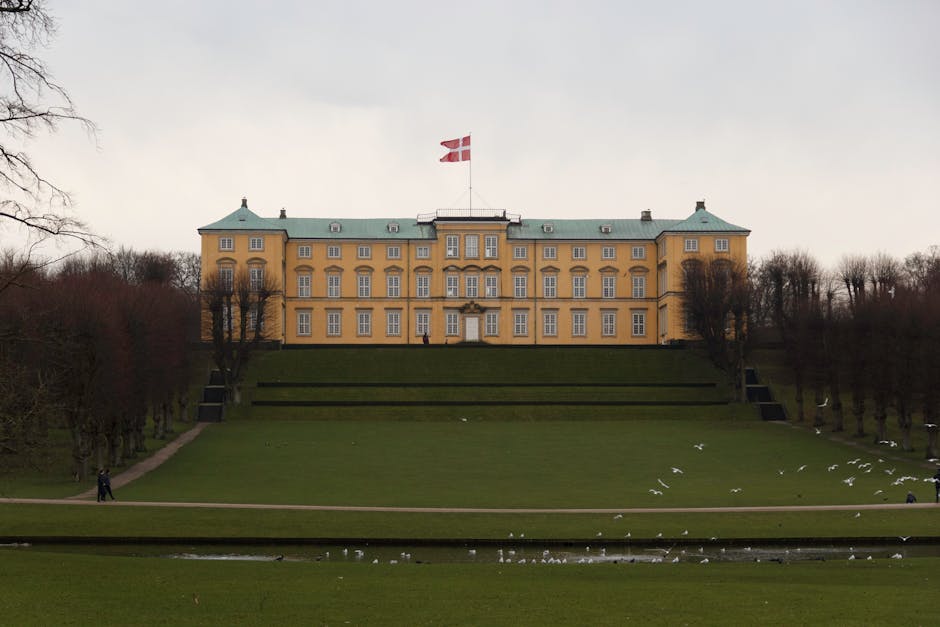
7. Frederiksberg
Frederiksberg is often treated like its own neighborhood—administratively separate but at the heart of the island—known for leafy avenues, large parks and upscale shops. It’s the natural choice for an elegant stay close to attractions but in a more residential setting.
Key addresses:
- Frederiksberg Have (park) — Roskildevej 1, 2000 Frederiksberg. Historic park, open 06:00–22:00; free entry.
- Frederiksberg Palace — Roskildevej 20, 2000 Frederiksberg. Palace grounds open seasonally; palace buildings sometimes closed to the public.
- Copenhagen Zoo — Roskildevej 32, 2000 Frederiksberg. Hours: 10:00–16:00 (seasonal variations). Admission: about €20–25.
Accommodation prices: €130–300 per night for upscale hotels and guesthouses. Frederiksberg is great for families or travelers who value calm, walking opportunities and refined restaurants. Local tip: stay near Frederiksberg Allé to be steps from cafés, the metro and a 10–15 minute ride to the city center.
8. Islands Brygge
Islands Brygge is a lively waterfront neighborhood, hugely popular in summer for its public baths and green spaces along the harbor. It has a young, active vibe—great for travelers who want a mix of waterside relaxation and quick access to the center.
Points of interest:
- Islands Brygge Harbour Bath — Njalsgade 18, 2300 København S. Hours: open daytime seasonally, free; very popular for swimming in summer.
- Islands Brygge promenade — Njalsgade/Islands Brygge Pier, 2300 København S. Open 24/7; cafés and bars open 08:00–00:00.
- Café og Restaurant (example) — Islands Brygge 11, 2300 København S. Hours: 08:00–22:00; dishes €8–25.
Accommodation prices: €80–160 per night for studios and apartments, €120–220 for modern hotels. Tip: if you visit in summer, book a place with a balcony or direct waterfront access; early morning light on the water is gorgeous for photos.
9. Amager (Amagerbro & Amager Beach)
Amager is a large island connected to the center by several bridges. The area includes Amagerbro (a residential neighborhood with shops) and Amager Strand (an urban beach). It’s a good compromise with often more affordable lodging and the chance to enjoy the beach without leaving the city.
Addresses and info:
- Amager Strandpark — Amager Strandvej 301, 2300 København S. Urban beach with a lagoon; open 24/7, swimming areas free.
- Amager Strand metro (station) — Amager Strand, 2300 København S. Metro line D provides direct service to the center; typical operation ~05:00–01:00 (hours vary).
- Copenhagen Airport (nearby) — Lufthavnsboulevarden 6, 2770 Kastrup. Transport: 15–20 minutes by train or metro from the center; fares €4–8 depending on zone.
Accommodation prices: €60–140 per night for hotels and apartments. Advantage: calm, seaside proximity and often better value. Local tips: choose Amagerbro for logistics (supermarkets, cafés) and Amager Strand for a summer stay with swimming and watersports.

10. Refshaleøen & North Christianshavn (Industrial & Creative)
Refshaleøen is a former industrial area turned creative hub: street food, workshops, festivals and an innovative culinary scene. It’s perfect for travelers looking for an alternative experience—industrial charm, waterside views and event spaces.
Addresses and attractions:
- Refshaleøen (Reffen Street Food Market) — Refshalevej 167, 1432 København K. Hours: typically 11:00–22:00 (seasonal variations). Dishes €5–15; free entry.
- CopenHot (baths & saunas on barges) — Refshalevej 267, 1432 København K. Activities: booking required, prices vary €30–80.
- Industrial waterfront walks — Refshalevej promenade. Free access; best light for photos at sunset.
Accommodation prices: €90–200 per night for lofts and boutique hotels nearby. Local tip: take the ferry or a bike to reach the center (15–25 minutes). Visit Reffen in the evening for a mix of street food and live music. Avoid walking very late at night in some poorly lit industrial pockets.
Conclusion
Choosing where to unpack in Copenhagen depends on your priorities: proximity to museums, nightlife vibe, family-friendly surroundings, access to the sea, or immersion in the creative scene. Indre By and Nyhavn deliver the classic tourist experience and immediate access to sights—perfect for a first visit. Vesterbro and Nørrebro appeal to travelers seeking activity, innovative restaurants and a lively local scene. Østerbro and Frederiksberg suit families and visitors after tranquility and parks, while Islands Brygge and Amager offer seaside charm and summer activities. Christianshavn and Refshaleøen, with their bohemian and industrial characters, are for those who want to go off the beaten track.
Budget-wise, Copenhagen covers a wide spectrum: hostels and budget apartments from about €60–80 per night up to €200–350 for 4–5 star hotels. Prices fluctuate with the tourist season (high season: June–August, special events, design weeks). Practical tip: book in advance, check how close you are to a metro station or central station if arriving by train, and consider a Copenhagen Card if you plan to visit several museums (tourist cards from ~€50–80 depending on duration, offering unlimited transport and free entry to some attractions).
Finally, respect local rules and adopt Danish habits: rent a bike for short trips, be punctual for restaurant reservations, and enjoy local markets during the day for fresh produce. By pairing the right neighborhood with accommodation that matches your pace, you’ll turn a simple stay in Copenhagen into a memorable immersion. Safe travels and enjoy Denmark’s capital!