





Introduction: Bike or metro in Copenhagen — a choice that will shape your first visit
Copenhagen is often billed as the bike capital of the world. Streets are designed for cyclists, bike lanes are continuous and safe, and in many neighborhoods bikes far outnumber cars. Still, the city also has a modern, punctual and easy-to-use public transport network: driverless metro, regional trains and buses. For a first visit, the dilemma “bike or metro” isn’t just about logistics — it’s about the kind of experience you want. Will you dive into local life, pedaling between cafés, canals and parks? Or would you rather save time, dodge the unpredictable rain and cover more ground with less effort using the metro and trains?
This article gives a practical, detailed and realistic overview to help you decide. We look at costs in euros (approximate conversions), schedules, key addresses and immersive route descriptions, plus insider tips to get the most from each option. You’ll find useful information to:
- Compare comfort, speed and accessibility of biking vs metro for typical journeys (city center, tourist areas, waterfronts)
- Find where to rent a bike, what it really costs, and how to avoid common pitfalls
- Understand the metro and train network: lines, essential stations, fares and timetables
- Get recommended routes for a first trip of 2 to 4 days, with exact addresses and practical suggestions
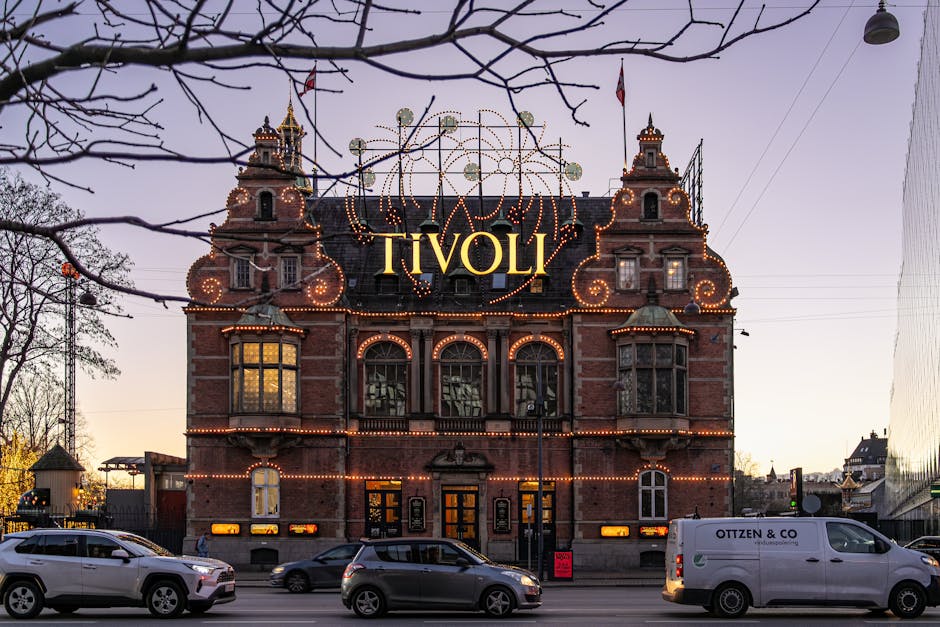
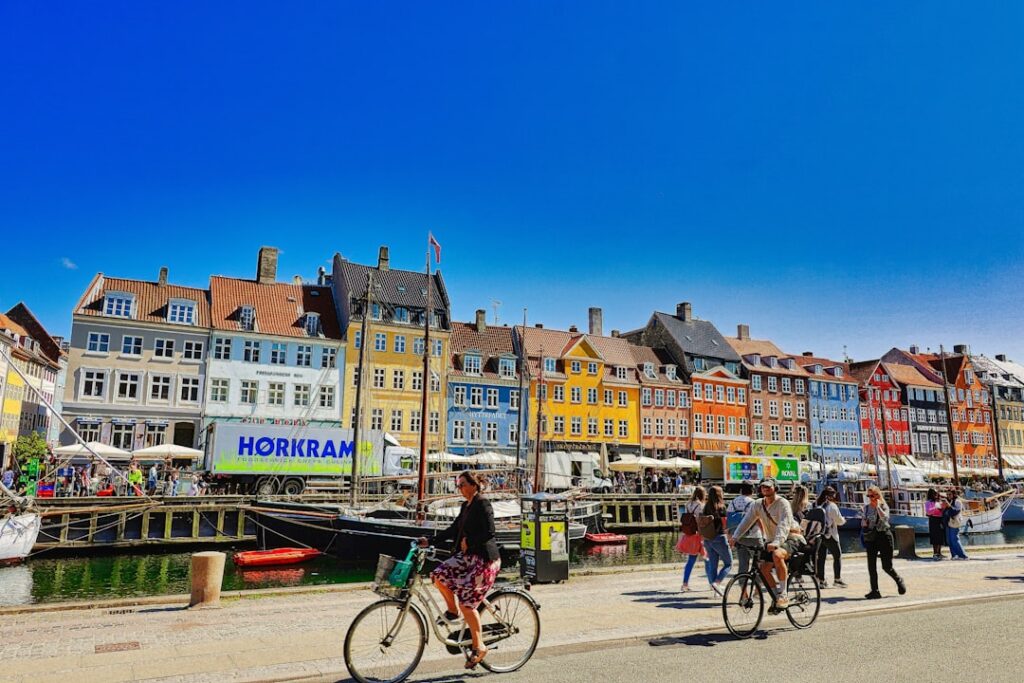
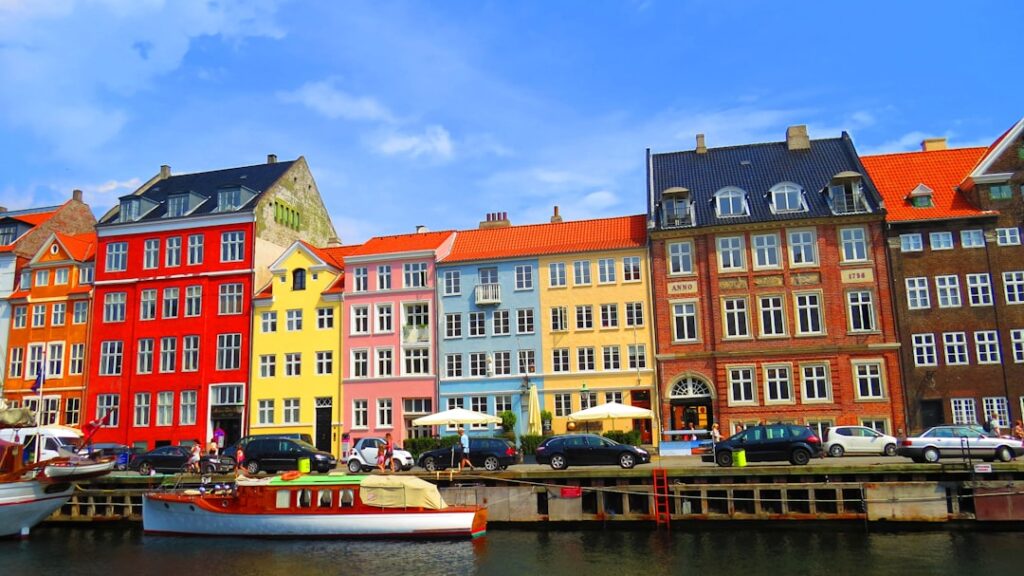
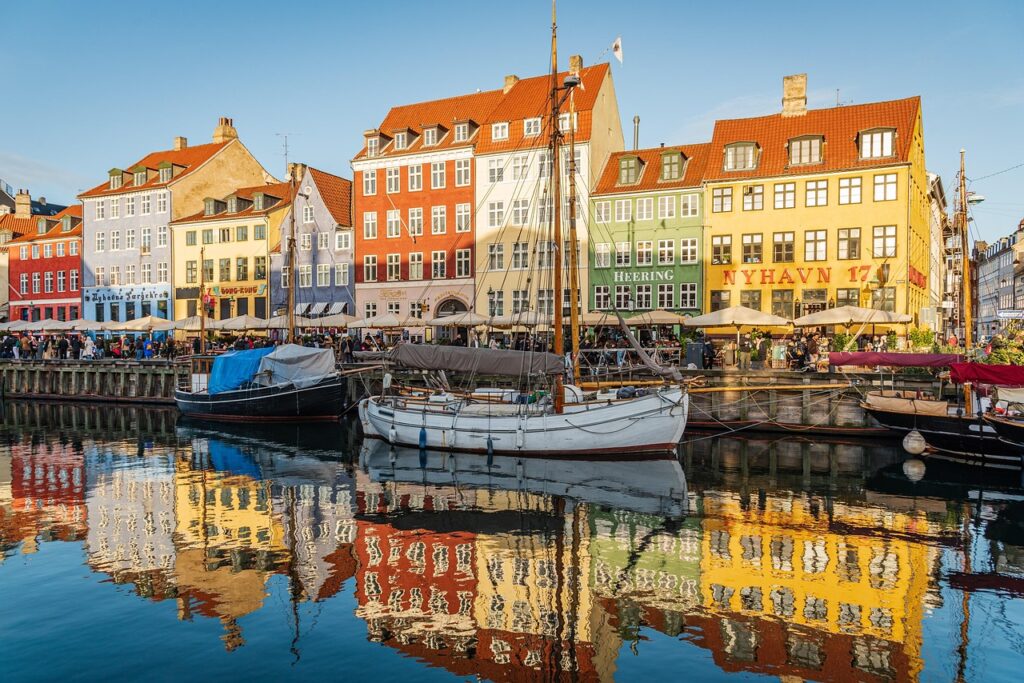
The descriptions aim to be immersive: picture the feeling of gliding along a tree-lined bike lane, the view of colorful Nyhavn from your saddle, or the speed of the driverless metro at night. We include concrete landmarks — exact addresses like Tivoli Gardens, Vesterbrogade 3, 1630 København V or Københavns Hovedbanegård (Copenhagen Central Station), Bernstorffsgade 16, 1577 København V — so you can plan your movements without surprises.
Finally, this guide is practical: it lists prices in euros for rides and rentals, typical schedules (rush hours, night service) and local tips (bike parking, safety, weather). Whether you plan to get around only by bike, only by metro, or mix both depending on the day and the weather, you’ll find everything you need to make an informed choice and enjoy your first trip to Copenhagen.
Why choose bike or metro? Comparative benefits and the urban context
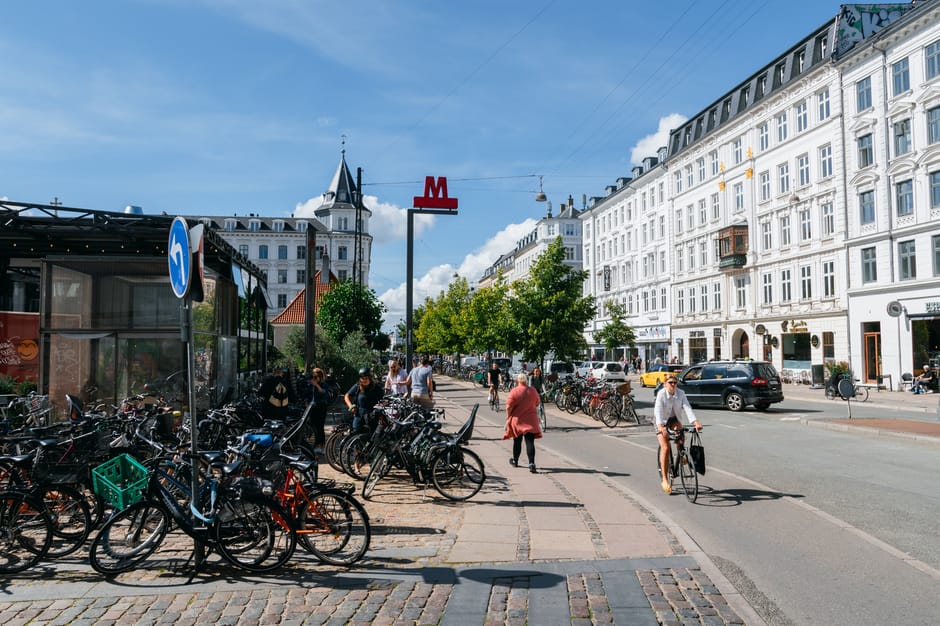
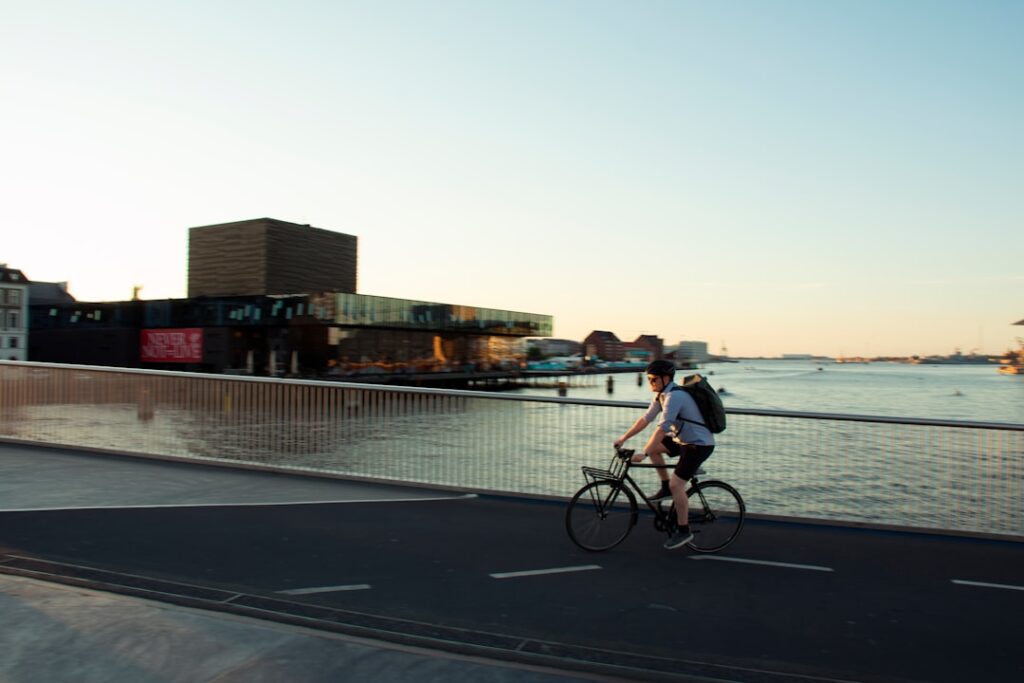
Copenhagen has been planned with bikes in mind for decades: separated lanes, cyclist-friendly traffic lights, cycling bridges (like the Cirkelbroen) and massive bike parking. Biking gives you total freedom: you can stop on a whim to photograph a façade, pop into a small café or weave around a neighborhood market. Short trips (5–15 minutes) are often faster by bike than by metro, especially in the center where pedestrian streets limit bus access. The experience is immersive: the canal breeze, the smell of coffee on Strøget, conversations in Danish — it’s a real encounter with the city.
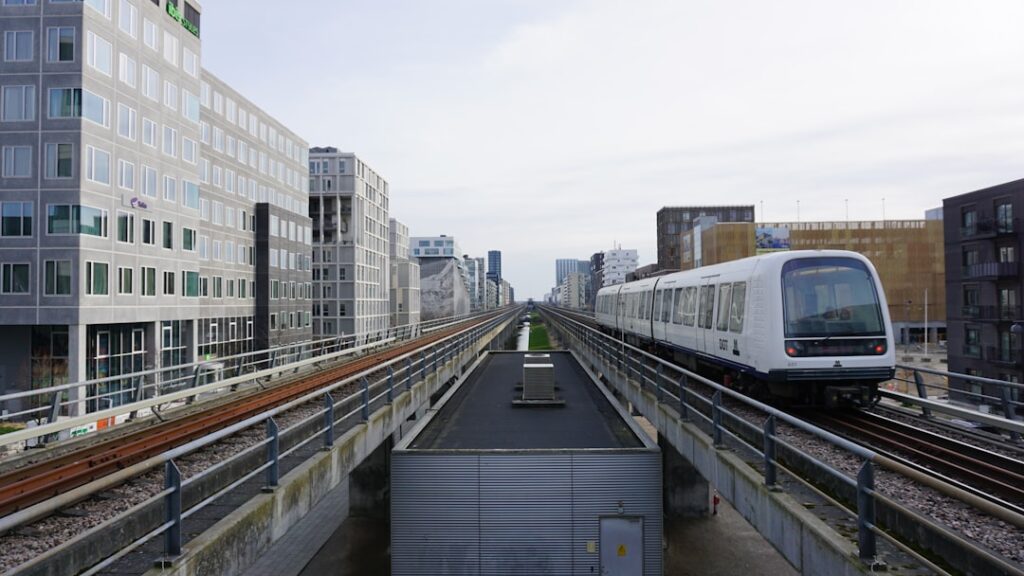
The metro (M1, M2, M3 Cityringen, M4) is synonymous with efficiency. Copenhagen’s metro is driverless and runs frequently: during the day trains come every 2–6 minutes on central sections. For longer trips (for example from the airport to the center, or to Nordhavn and Østerbro), the metro is fast and unaffected by traffic. It’s especially useful in the rain when cycling becomes less pleasant, and when you have luggage or travel in a group. Stations are modern, well signed and often equipped with elevators, which makes transfers with suitcases easier.
Economically, the best option depends on duration and how often you travel. Short-term bike rentals (30 minutes to 24 hours) can be very cost-effective for days of exploring, while passes or multi-trip tickets for the metro become worthwhile if you expect several long journeys per day. The tourist Copenhagen Card bundles transport with admission to many museums — handy if you plan to visit multiple paid attractions.
Safety and seasons: Scandinavian winters change the equation. Between November and February days are short and ice can appear; the metro becomes more attractive. In spring and summer, biking is often the best way to enjoy the quays and parks. Keep in mind Copenhagen’s strong cycling culture: follow local rules (give way to bike lanes, park in designated spots) to avoid fines or annoyances.
Biking in Copenhagen: types, rentals, prices and practical tips
The right bike depends on what you plan to do: short city hops, a canal-side ride, or longer outings to parks and beaches. Several options are available:
- App-based bike-share: systems like Donkey Republic (app-based) offer bikes by the hour or by the day. Typical rates: around 40–80 DKK per hour (~5.5–11 €) or 45–100 DKK for 24 hours (~6–13.5 €) depending on the model. Pros: flexibility and many pick-up/drop-off points.
- Municipal e-bikes (Bycyklen): available via app, they provide electric assistance. Rates: often 15–35 DKK per 30 minutes (~2–4.7 €). Handy on hills or for longer distances.
- Store rentals: traditional rental shops rent daily. You’ll find outlets near the central station (Københavns Hovedbanegård, Bernstorffsgade 16, 1577 København V) and along Nyhavn. Typical daily rates: 120–250 DKK/day (~16–34 €). For a week, expect about 500–900 DKK (~67–120 €).
Practical tips for renting:
- Inspect the bike: brakes (or coaster brakes), tires, front/rear lights, bell and kickstand.
- Ask for a solid lock (U-lock). Bike theft exists even in Copenhagen — better to secure your bike whenever you leave it.
- Bring a lightweight rain jacket: the weather can change quickly. Waterproof handlebar covers or a waterproof basket liner are useful for carrying a bag or purchases.
- Respect bike lanes: they often have priority and can be one-way. Don’t cross a cycle lane without looking — local cyclists ride fast and expect priority.
Parking and bike hubs: you’ll see thousands of bikes locked around major transport hubs. Main locations:
- Københavns Hovedbanegård (Copenhagen Central Station) – Bernstorffsgade 16, 1577 København V: huge bike parking area.
- Nørreport Station – Nørre Voldgade 30, 1358 København K: access to the market and the historic center.
- Nyhavn – Nyhavn 17, 1051 København K: limited parking close to the quay, better to aim for bike racks a few streets away.
Breakdowns and repairs: carry a spare inner tube or use the Donkey Republic app which sometimes offers assistance. Several quick-repair workshops are in the city center, often with express services to fix a flat tube.
The metro and public transport: lines, fares, schedules and useful combos
Copenhagen’s metro is an easy, reliable choice, especially for cross-city trips or getting to the airport. Here’s the essentials:
- Lines: M1 and M2 (radial lines), M3 Cityringen (central circle), M4 (connection toward Nordhavn and progressively to the airport/Østerbro). The Cityringen (M3) makes transfers very simple in the center.
- Key stations:
- Københavns Lufthavn (Copenhagen Airport) – served by the M2 line.
- Københavns Hovedbanegård (Copenhagen Central Station) – Bernstorffsgade 16, 1577 København V: metro-train interchange.
- Nørreport Station – Nørre Voldgade 30, 1358 København K: hub for regional trains and metro (access to the Botanical Garden and Strøget).
- Christianshavn – access to the canals and the famous Vor Frelsers Kirke (Sankt Annæ Gade).
- Fares and tickets: the fare system is zonal (DOT). For a typical visitor sticking to the center (zones 1–2), expect to pay about 24–36 DKK per trip (~3.2–4.8 €). Day tickets, passes and the Copenhagen Card often offer better value. Examples:
- Single ticket, 1-2 zones: ~24 DKK (~3.2 €).
- 24-hour ticket (unlimited zones within DOT/Copenhagen Card options): the Copenhagen Card 24h costs around 419 DKK (~56 €) for an adult (2024 indicative price) and includes free entry to many museums.
- Schedules: the metro operates 24/7 on some lines at weekends and runs frequently on weekdays (roughly 5 a.m. to after midnight depending on the line). On weekdays central frequency is every 2–6 minutes during the day; evenings every 10–20 minutes. S-trains (commuter trains) complement the network for longer trips.
Practical tips:
- Buy tickets on the DOT app, at station machines, or choose the City Pass/Copenhagen Card depending on your plans.
- Validate your ticket before boarding. Controls are common and fines for traveling without a valid ticket are steep.
- The metro is very luggage-friendly: elevators at main stations and space for strollers/suitcases on the trains.
- Combine bike + metro: many stations have bike parking, letting you cycle the “last mile” and use the metro for longer or rainy segments.
Recommended routes and bike/metro combinations for a first visit (2 to 4 days)
Here are three sample itineraries based on the length of your stay, mixing bike and metro to optimize time, comfort and immersion.
Short itinerary – 2 days (ideal if you arrive by plane):
- Day 1: From Københavns Lufthavn (Copenhagen Airport) (M2) to Københavns Hovedbanegård, Bernstorffsgade 16, 1577 København V. Drop your luggage at the hotel, then rent a bike or take the metro to Nyhavn, Nyhavn 17, 1051 København K for lunch by the canal (stroll and take photos). In the afternoon, cycle to Amalienborg Palace, Amalienborg Slotsplads, 1257 København K for the changing of the guard. Evening at Tivoli: Tivoli Gardens, Vesterbrogade 3, 1630 København V (often open 11:00–23:00, varies by season; admission about 120–170 DKK ~16–23 € depending on season).
- Day 2: Morning at Rosenborg Slot (Rosenborg Castle), Øster Voldgade 4A, 1350 København K. In the afternoon, bike along the harbor to Den Lille Havfrue (The Little Mermaid), Langelinie, 2100 København Ø for the iconic photo. Return by metro if you’re tired from Nørreport Station, Nørre Voldgade 30, 1358 København K.
Intermediate itinerary – 3 days:
- Day 1: As above. Evening in Vesterbro (cafés and bars near Værnedamsvej, 1756 København V).
- Day 2: Use the metro to Nordhavn or Østerbro (M4/M3 depending on destination), then rent a bike there to explore the northern coastline, including Amager Strandpark, Amager Strandvej 301, 2300 København S (reachable directly by bike or by bus + metro).
- Day 3: Explore Christianshavn by bike, climb the tower of Vor Frelsers Kirke (Our Saviour’s Church), Sankt Annæ Gade 29, 1416 København K for panoramic views. Finish with a metro ride to the station for your departure.
Full itinerary – 4 days (more museums and walks):
- Add a museum day: Statens Museum for Kunst (National Gallery of Denmark), Sølvgade 48-50, 1307 København K and/or Designmuseum Danmark, Bredgade 68, 1260 København K. Use the Copenhagen Card if you plan multiple museums (indicative prices: 419 DKK ~56 € for 24h; 549 DKK ~73 € for 48h; check the official site for updates).
- Bike+metro combo: take the metro to Frederiksberg to visit Frederiksberg Have, Frederiksberg Runddel, 2000 Frederiksberg, then explore the streets by bike.
Final logistical tips:
- Plan routes using the Rejseplanen app (English available) to combine bike and metro in real time.
- In the evenings, prefer the metro for late returns: better frequency and added security.
- If you rent a bike, allow extra time to find an authorized parking spot near popular attractions.
Conclusion: which option for your first visit?
The best choice between bike and metro in Copenhagen depends primarily on the experience you want. If your goal is to soak up local atmosphere, stop whenever you like, feel the city and access pedestrian areas easily, biking is unbeatable. It gives total freedom to explore Nyhavn (Nyhavn 17, 1051 København K), the canals of Christianshavn, the wide avenues of Nørrebro and parks like Frederiksberg Have. Daily rental rates remain reasonable (around 120–250 DKK/day ~16–34 €), and app-based systems like Donkey Republic or Bycyklen make spontaneous plans easy.
On the other hand, if you need to cover greater distances, are traveling with luggage or the weather is bad, the metro will be your ally. With fast, frequent lines (M1, M2, M3, M4), modern stations (Københavns Hovedbanegård – Bernstorffsgade 16, 1577 København V; Nørreport – Nørre Voldgade 30, 1358 København K) and affordable single fares (about 24–36 DKK ~3.2–4.8 € for 1–2 zones), it helps you optimize time. Consider the Copenhagen Card if you plan many museums and trips: it can be cost-effective for action-packed stays.
My practical tip for a first visit: mix both. Rent a bike for sunny days and to explore the center, and use the metro for longer journeys, late-night returns or when the weather turns. Keep key addresses in mind (Tivoli Gardens, Vesterbrogade 3, 1630 København V; Nyhavn 17; Den Lille Havfrue, Langelinie, 2100 København Ø) and plan your days around the forecast. Finally, respect local cycling rules: ride in the lanes, always lock your bike and be mindful of local cyclists who move quickly and smoothly.
Whatever you choose, Copenhagen welcomes you with a rare combination of urban efficiency and relaxed living. By bike or by metro, perspectives change but the city remains generous: cozy cafés, parks, design and photogenic canals await. Have a great trip — and don’t forget a foldable rain jacket and your camera to capture the scenes that make Copenhagen both modern and human.